Retatrutide Peptide
You've probably already heard of GLP-1 medications like Ozempic taking over the market. However, there is a new and...

Last updated: February 5, 2026
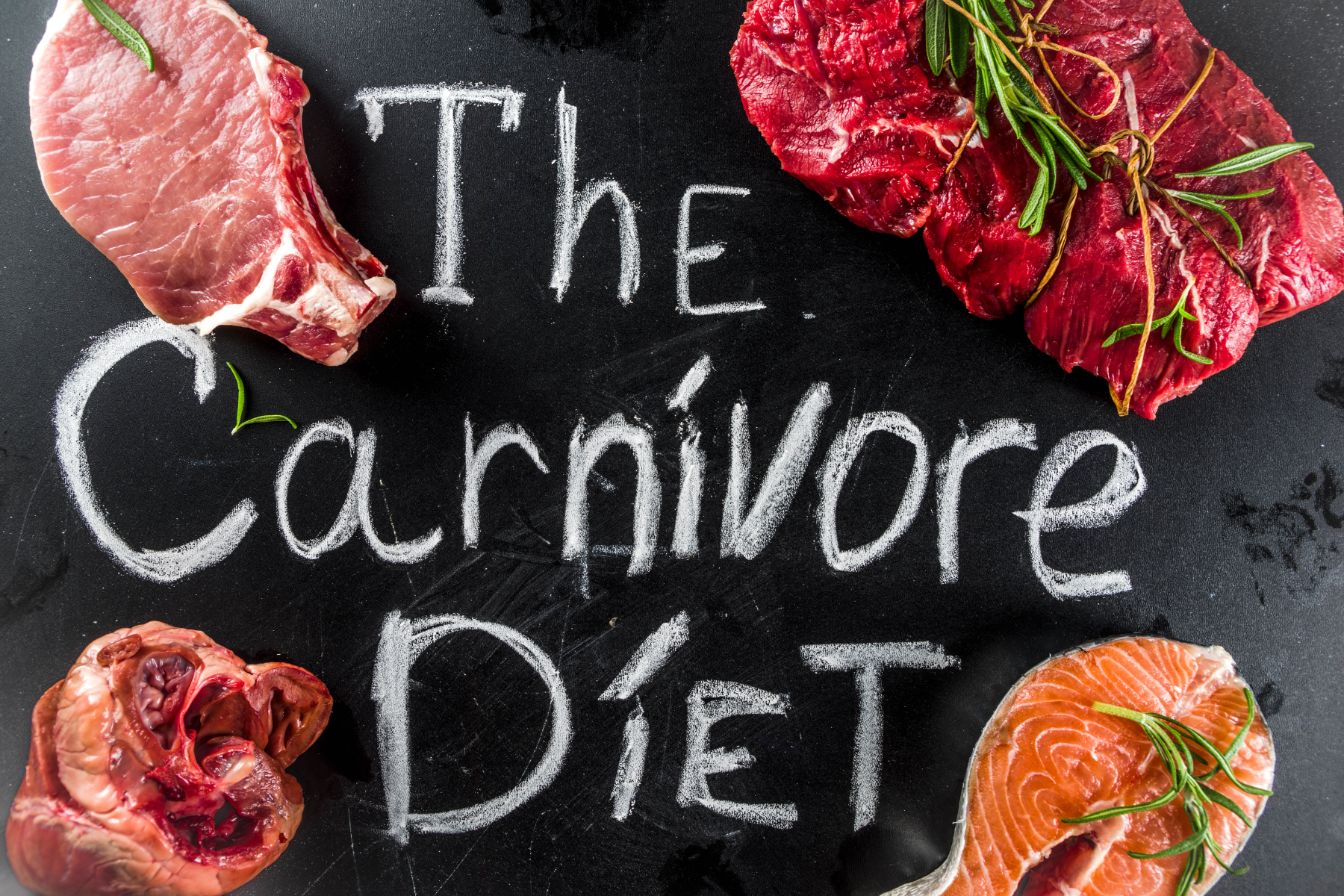
The carnivore diet has gained much attention in the past few years as a no-carb and meat-only approach to eating. Participants in the diet claim that it leads to weight loss, reduced inflammation, and many other health benefits. However, is an all-meat diet truly sustainable? What are the potential long-term consequences?
The carnivore diet is a lot like it sounds. It is a diet that consists entirely of animal-based foods such as meat, fish, eggs, and limited dairy. It eliminates plant-based foods including fruits, vegetables, grains, legumes, nuts, and seeds. It is similar to the Ketogenic Diet as you do not consume carbohydrates. A keto diet does not provide enough calories from glucose or other kinds of sugar. This causes the body to compensate by utilizing fat to create ketones, which are acids that your body produces when it breaks down fat for energy. It limits the carbohydrate intake to less than 50 grams per day. To paint a picture of this, eating 2-3 pieces of white bread would be all you could have of carbs for the day. Unlike the Keto diet, which allows some carbohydrates, the Carnivore diet is a zero-carb diet.
While meat is high in protein, iron, and B vitamins it is also lacking in other essential nutrients including:
High cholesterol is linked to an increase in saturated fats which are often found in animal products. The saturated fat can then increase LDL cholesterol (the “bad” cholesterol) which is linked to cardiovascular diseases. One study that looked at participants on the carnivore diet noted that there was a noticeable increase in LDL levels.
An increased risk of the development of kidney stones– There is strong evidence that high animal protein intake is associated with an increased risk of kidney stone development.
Lack of food variety– A restrictive diet can lead to food fatigue, making it difficult to maintain long-term.
While some individuals report short-term benefits from following a meat-only diet, long-term sustainability and safety remain a concern. When considering this diet, you should monitor key health markers such as cholesterol levels, kidney function, and nutrition status. A more balanced approach that includes nutrient-dense foods may offer greater long-term benefits without the associated risks of an extreme dietary restriction.
The bottom line is that the carnivore diet may offer short-term weight loss and symptom relief for some individuals. However, it can cause potential nutrient deficiencies, increased cholesterol levels, and negative gut health effects. This diet might not be suitable for some people. A more flexible diet that includes lean proteins, healthy fats, and a variety of plant-based foods can provide essential nutrients while still supporting overall health and well-being.
Thinking of trying a new diet? Consult with a dietitian and ensure your nutritional needs are met!
Cleveland Clinic. (2021, July 1). The Carnivore Diet: Can You Have Too Much Meat? Cleveland Clinic. https://health.clevelandclinic.org/the-carnivore-diet
DiNicolantonio, J. J., O’Keefe, J. H., & Wilson, W. (2018). Subclinical magnesium deficiency: a principal driver of cardiovascular disease and a public health crisis. Open Heart, 5(1), e000668. https://doi.org/10.1136/openhrt-2017-000668
Lennerz, B. S., Mey, J. T., Henn, O. H., & Ludwig, D. S. (2021). Behavioral characteristics and self-reported health status among 2029 adults consuming a “carnivore diet.” Current Developments in Nutrition, 5(12). https://doi.org/10.1093/cdn/nzab133
LeWine, H. E. (2024, May 8). What is the carnivore diet? Harvard Health. https://www.health.harvard.edu/nutrition/what-is-the-carnivore-diet
Wilson, H. E., & Moe, S. M. (2025). You are what you eat—should it be all meat?: Impact of the carnivore diet on the risk of kidney stone development. The American Journal of Clinical Nutrition. https://doi.org/10.1016/j.ajcnut.2024.11.024
Last updated: February 5, 2026
AZ Dietitians offers in-person and virtual appointments for Arizona clients. Now offering telehealth services for clients in Colorado, Utah, and California.
You've probably already heard of GLP-1 medications like Ozempic taking over the market. However, there is a new and...

Fasting can affect women differently depending on factors like age, activity level, hormonal health, and reproductive status. Learn what research says about intermittent fasting, PCOS, menstrual health, bone density, and more.

Could the ultra-processed foods you eat regularly be affecting your brain health? Learn about the potential connections between ultra-processed foods, memory, mood, inflammation, and cognitive health, along with simple ways to make more nutritious choices.

Wondering what to eat after gallbladder removal? Learn how your diet may need to change after surgery and get practical tips for supporting digestion as your body adjusts.