Retatrutide Peptide
You've probably already heard of GLP-1 medications like Ozempic taking over the market. However, there is a new and...

Last updated: February 5, 2026
Iron is a mineral that plays a major role in the body to support optimal health. A few of the major physiological benefits of iron include:
The body is unable to synthesize iron, which means that it must be acquired through dietary sources. According to the World Health Organization (WHO), iron deficiency anemia is the most common nutritional deficiency affecting populations across the globe. Due to the high prevalence of iron deficiency anemia, most countries have mandated that wheat flour is fortified with iron to increase dietary intake.
The Recommended Daily Allowance for iron is dependent on age. For individuals aged 19-50 years the RDA is 8 mg for men and 18 mg for women. Women who are pregnant should aim for 27 mg daily and women who are lactating should aim for 10 mg daily. For ages 51 and older, the RDA is 8 mg for men and women. The Tolerable Upper Intake, or UI for iron is 45 mg daily for anyone over the age of 14.
The populations at greatest risk for iron deficiency include preterm infants, children, teenage girls, pregnant women and individuals with chronic disease. Symptoms associated with iron deficiency are fatigue, pallor, headache, generalized weakness, inflammation of the tongue and chest pain. It is vital to seek medical attention if you believe you may be at risk of iron deficiency or are experiencing several of the symptoms listed above.
It is recommended to get iron through the diet. Supplementation may be necessary with an iron deficiency diagnosis, but should be monitored by a medical professional. There is a wide variety of foods that contain iron:
Eating a balanced diet that incorporates dietary sources rich in iron can help reduce the risk of iron deficiency. Eating foods rich in vitamin C aid in iron absorption, so combining food sources rich in vitamin C with foods rich in iron is recommended. For example, a salad made with spinach, tomato, chicken, and dressed with fresh lemon juice.
If you are struggling with getting adequate iron in your diet, please contact our office and schedule a consultation with one of our registered dietitians.
Written by: Lexi Nazzaro, Dietetic Intern
Sources: Material adapted from The Academy of Nutrition and Dietetic, Food & Nutrition Magazine (July/August 2019)
Last updated: February 5, 2026
AZ Dietitians offers in-person and virtual appointments for Arizona clients. Now offering telehealth services for clients in Colorado, Utah, and California.
You've probably already heard of GLP-1 medications like Ozempic taking over the market. However, there is a new and...
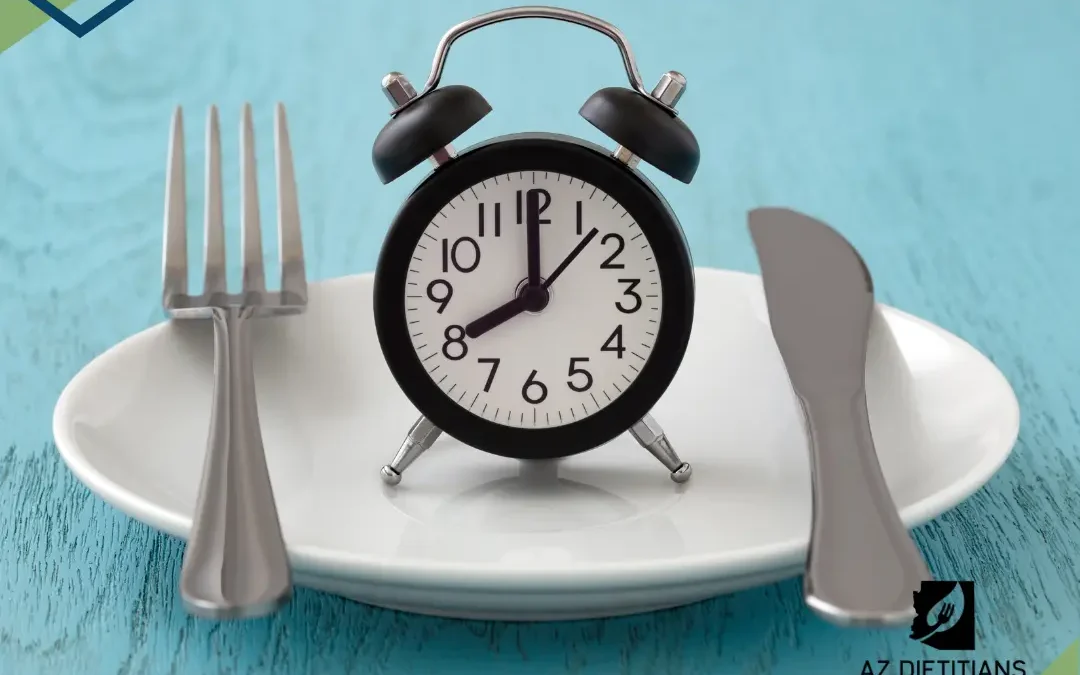
Fasting can affect women differently depending on factors like age, activity level, hormonal health, and reproductive status. Learn what research says about intermittent fasting, PCOS, menstrual health, bone density, and more.
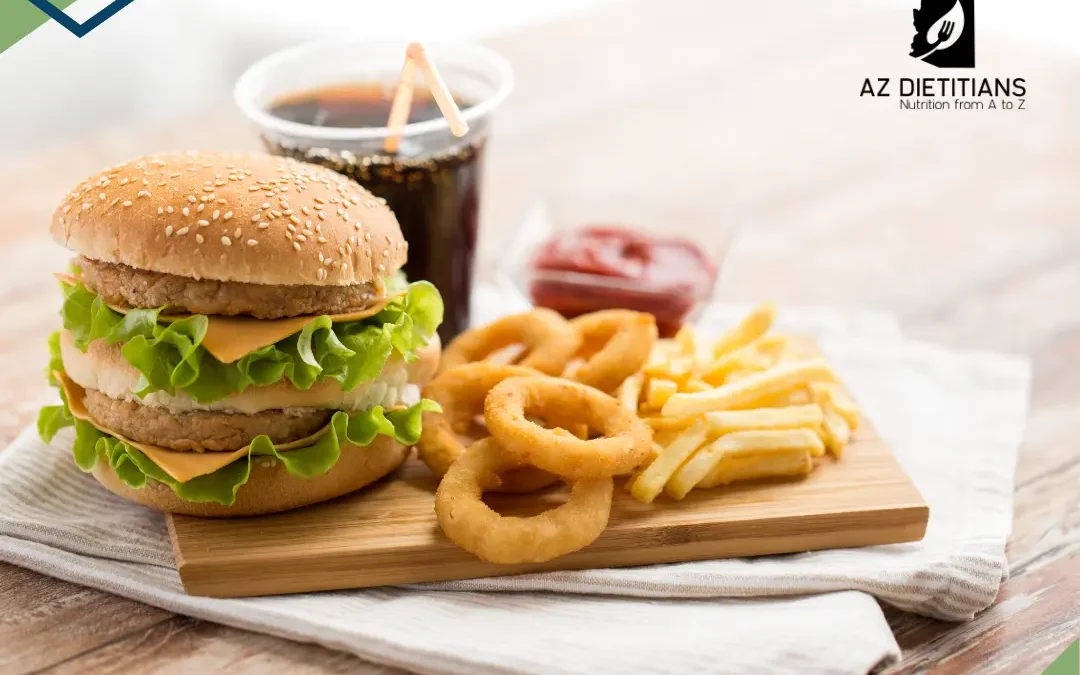
Could the ultra-processed foods you eat regularly be affecting your brain health? Learn about the potential connections between ultra-processed foods, memory, mood, inflammation, and cognitive health, along with simple ways to make more nutritious choices.
Wondering what to eat after gallbladder removal? Learn how your diet may need to change after surgery and get practical tips for supporting digestion as your body adjusts.