Retatrutide Peptide
You've probably already heard of GLP-1 medications like Ozempic taking over the market. However, there is a new and...

Last updated: February 5, 2026
Created by: Hali Obray, Dietetic Intern
As the weather continues to get hotter, staying hydrated is even more important to prevent dehydration. But how much water do you need?
According to the National Academies of Sciences, Engineering, and Medicine, men need about 15.5 cups of fluids and women need about 11.5 cups of fluids each day. This doesn’t mean you need to drink all 15.5 or 11.5 cups, though, because about 20% of fluid intake actually comes from food.
Your body may need more or less fluids depending on the following:
How do you know when you are drinking enough? And, when should you be concerned about increasing your fluid amount? If you rarely feel thirsty and/or your urine is light yellow or colorless, you are probably drinking enough.
Dehydration can be mild, such as not drinking enough during exercise. But, it can become severe and may require hospitalization in some cases.
Symptoms of mild dehydration include:
Symptoms of severe dehydration that requires medical attention include:
Treating dehydration involves replacing fluids and electrolytes that were lost. For mild cases, drinking a lot of water is the solution. If you lose electrolytes, such as when exercising for an hour or longer, a sports drink can help.
Severe dehydration may be treated in the hospital with intravenous (IV) fluids with salt. The best way to avoid dehydration is to make sure you are drinking enough fluids throughout the day. Water is the best bet as it is a cheap and easily-accessible fluid. Drinks like milk, tea, and juice are made up of mostly water and can contribute to your fluid intake, along with many fruits and vegetables.
Adapted from eatright.org, mayoclinic.org, and meadlineplus.gov
Image: urbanmilwaukee.com
Last updated: February 5, 2026
AZ Dietitians offers in-person and virtual appointments for Arizona clients. Now offering telehealth services for clients in Colorado, Utah, and California.
You've probably already heard of GLP-1 medications like Ozempic taking over the market. However, there is a new and...
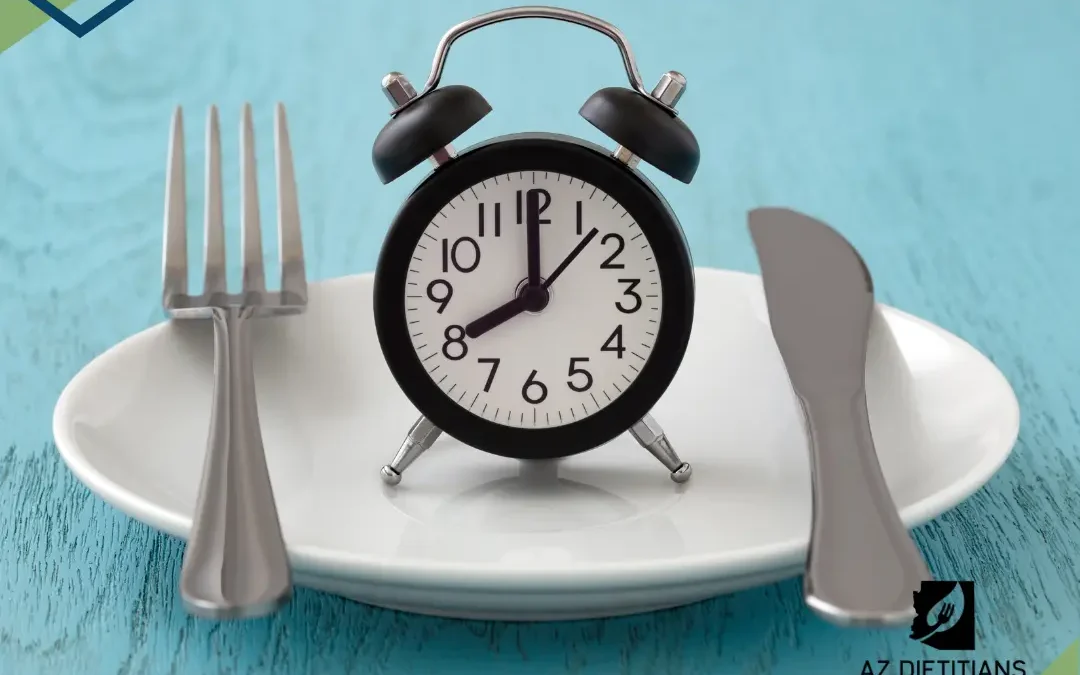
Fasting can affect women differently depending on factors like age, activity level, hormonal health, and reproductive status. Learn what research says about intermittent fasting, PCOS, menstrual health, bone density, and more.
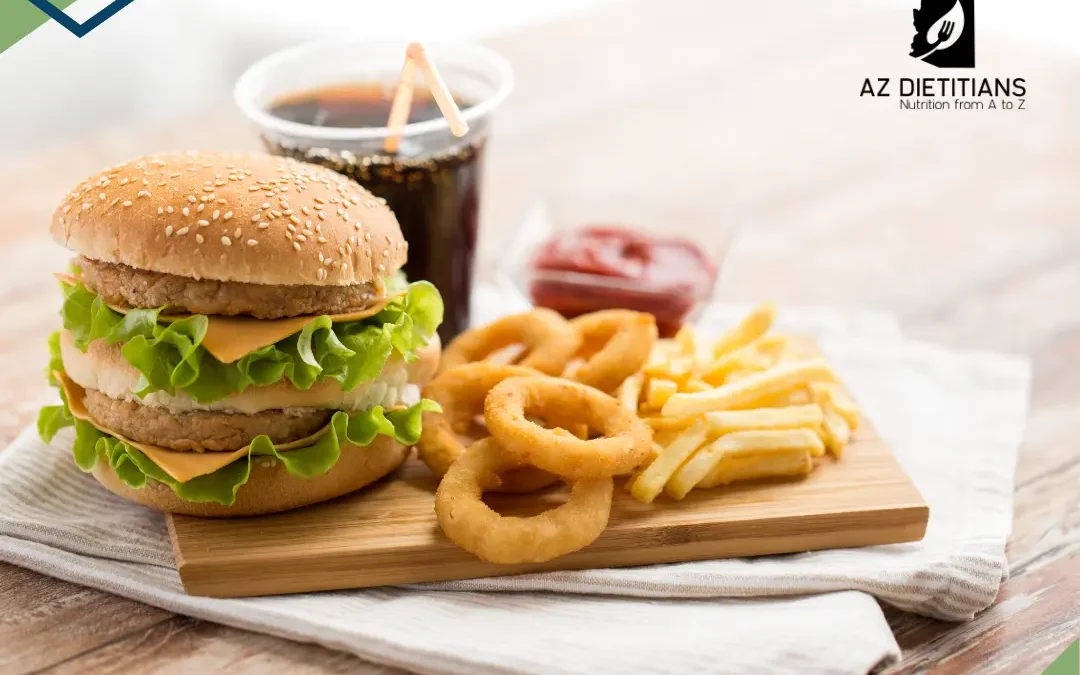
Could the ultra-processed foods you eat regularly be affecting your brain health? Learn about the potential connections between ultra-processed foods, memory, mood, inflammation, and cognitive health, along with simple ways to make more nutritious choices.
Wondering what to eat after gallbladder removal? Learn how your diet may need to change after surgery and get practical tips for supporting digestion as your body adjusts.