

The Importance of Breakfast: How Your Morning Meal Can Support Your Health
Breakfast is often called the most important meal of the day, but is there research to support that claim? While...


As the weather cools down and cold and flu season approaches, many people look for ways to stay healthy. While no single food can prevent you from getting sick, your everyday eating habits can help support normal immune function. The immune system relies on a variety of nutrients to develop and maintain immune cells, protect the body’s barriers, and coordinate responses to infections. Consuming a varied, balanced diet helps provide these essential nutrients (Gombart et al., 2020).
One simple way to support your nutritional needs is to eat a variety of fruits and vegetables. Oranges, strawberries, bell peppers, broccoli, and leafy greens provide vitamins, minerals, and other beneficial compounds that contribute to overall health. Vitamin C, for example, supports several functions of the immune system and helps protect cells from oxidative damage. Vitamins A and D also play important roles in immune regulation (Gombart et al., 2020; Johnson & Thacher, 2023).
Rather than focusing on one specific “superfood,” aim to include a variety of colorful produce throughout the week. Different foods provide different combinations of nutrients, and meeting your nutritional needs consistently is more important than relying on a single ingredient. Although adequate vitamin and mineral intake is essential for normal immune function, consuming more than your body needs does not necessarily provide additional protection against illness (Gombart et al., 2020).
Vitamins and minerals are important, but your body also needs adequate protein and dietary fat. Protein provides amino acids that support the production and maintenance of immune cells, antibodies, and other proteins involved in the body’s defenses. Inadequate protein and energy intake can impair immune function, making it important to consume enough food to meet your individual needs (Gombart et al., 2020).
Foods such as eggs, chicken, beans, lentils, yogurt, nuts, and fish can help you meet your protein needs. Healthy fats are also part of a balanced eating pattern. Omega-3 fatty acids, found in fatty fish such as salmon and sardines, as well as plant foods such as walnuts and chia seeds, participate in processes that regulate inflammation. However, their effects on immune responses are complex, and eating omega-3-rich foods should not be viewed as a guarantee against infections (Fritsche, 2006).
Did you know that your gut and immune system work closely together? The gastrointestinal tract houses a diverse community of microorganisms known as the gut microbiota. These microorganisms interact with the intestinal barrier and immune system, helping influence immune regulation and the body’s relationship with microbes (Venter et al., 2022).
Dietary fiber from foods such as oats, beans, fruits, vegetables, and whole grains can be used by certain gut microorganisms. This process produces compounds that help support the intestinal environment and may influence immune activity (Abreu y Abreu et al., 2021; Venter et al., 2022).
Yogurt and other fermented foods can also be part of a balanced diet. Some contain live microorganisms, although the types and amounts vary by product. While research into the gut microbiome and immune health continues to develop, eating a variety of fiber-rich plant foods is a practical way to support digestive health and overall nutritional adequacy. It is important to remember that a healthy gut does not make someone immune to respiratory infections.
Supporting your immune system is about consistent habits, not perfection. Alongside eating balanced meals, prioritize adequate sleep, regular physical activity, and drinking enough fluids to meet your needs.
Supplements are not a replacement for a balanced diet, and taking extra vitamins does not guarantee protection from illness. Supplements may be useful when a nutrient deficiency or increased need has been identified, but benefits depend on the nutrient, the person’s nutritional status, and other individual factors (Gombart et al., 2020).
Good nutrition is one part of supporting immune function, but it cannot eliminate the risk of catching a cold, the flu, or another respiratory infection. Other preventive measures remain important, including staying up to date on recommended vaccinations, washing your hands regularly, and covering coughs and sneezes (Centers for Disease Control and Prevention [CDC], 2025).
The bottom line: You do not need a perfect diet or expensive supplements to support your health. Start with the basics: eat a variety of fruits and vegetables, include protein and sources of healthy fats, choose fiber-rich foods, and build habits you can maintain throughout the year.
AZ Dietitians offers in-person and virtual appointments for Arizona clients. Now offering telehealth services for clients in Colorado, Utah, and California.
Breakfast is often called the most important meal of the day, but is there research to support that claim? While...

Pumpkin is more than a seasonal favorite! Packed with vitamins, minerals, fiber, and beneficial plant compounds, pumpkin flesh, seeds, and oil offer a variety of nutritional benefits. Discover how pumpkin can support your overall wellness and explore simple ways to enjoy this versatile ingredient in your everyday meals.
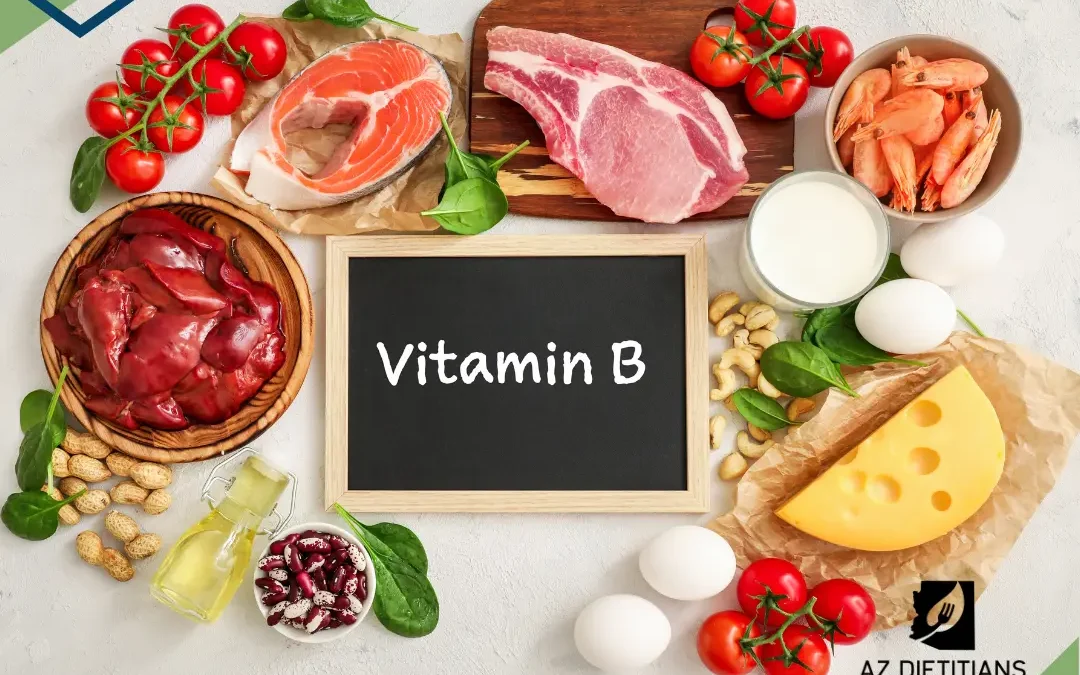
B vitamins play essential roles in energy production, metabolism, nerve function, and overall health. Discover the eight B vitamins, what each one does, and which foods can help you meet your nutritional needs.

Retatrutide is an investigational peptide generating excitement for its potential effects on weight loss, blood sugar, and metabolic health. Learn what current research says about how it works, how it compares to Ozempic, and important safety concerns to consider.