Retatrutide Peptide
You've probably already heard of GLP-1 medications like Ozempic taking over the market. However, there is a new and...

Last updated: February 5, 2026
Created by: Kristiann Frisby Champion, Dietetic Intern
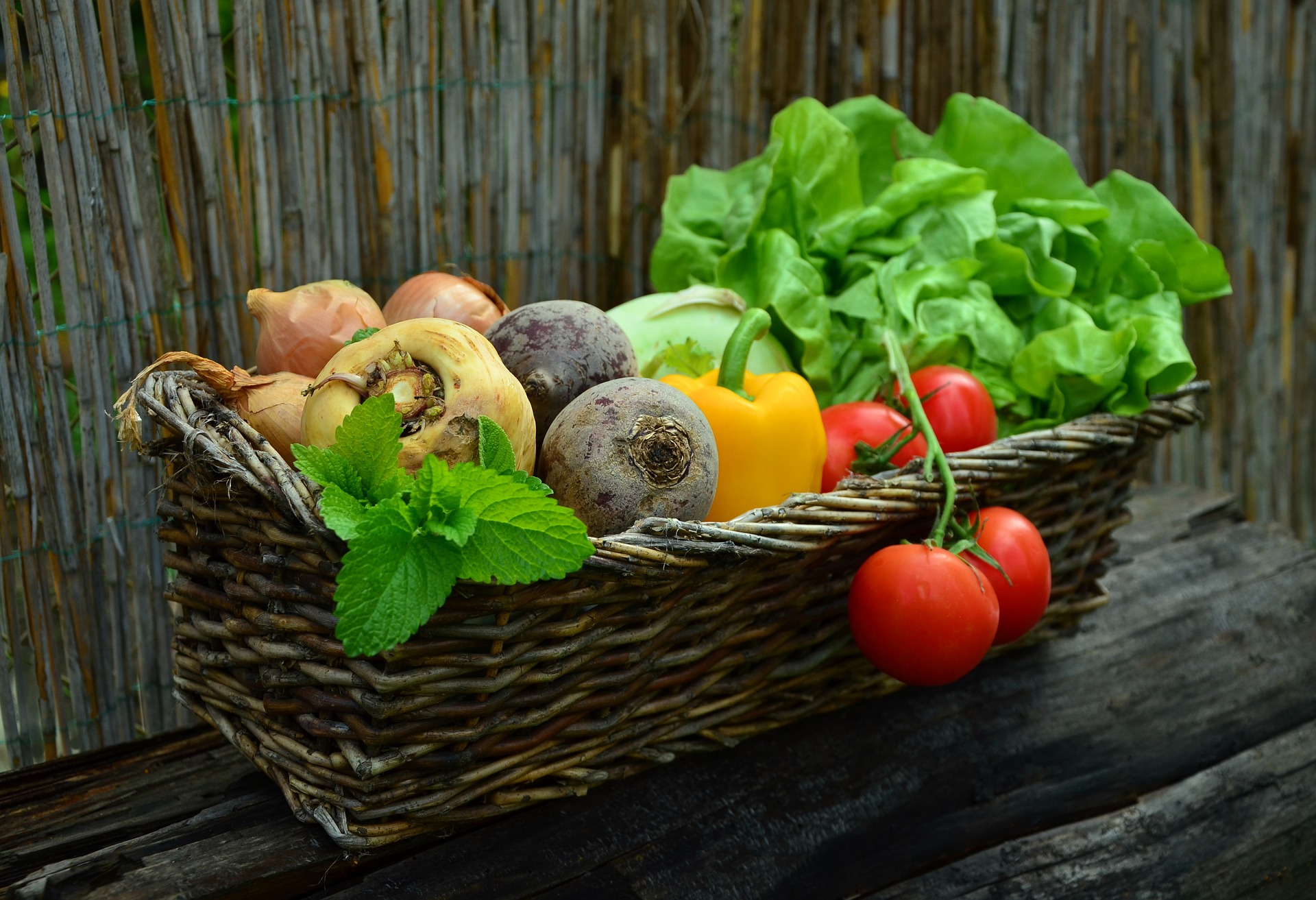
The phrase, ”plant-based diet” is rising in popularity. But what does it mean? The simplest way to define it is to describe a diet that consists more of plants (fruits, veggies, grains), than of animal products (meat, fish, dairy, eggs). Diets such as this can range from flexitarian to vegan, with the classic vegetarian diet in between. Flexitarians enjoy a diet similar to the classic vegetarian, but also include meat (such as beef, pork, chicken or fish) on occasion. A vegans diet consists solely plants. They exclude all animal products as well as dairy and eggs.
Many studies have shown the benefits of a vegetarian or vegan diet. The benefits of a vegetarian diet includes decreased BMI, decreased risk of heart disease, high blood pressure, type 2 diabetes, and some cancers. A vegan diet has been shown to improve insulin sensitivity, as well as decrease high blood pressure, inflammation, and cholesterol levels.
While benefits have been found in vegan and vegetarian diets, animal products have been shown to meet nutritional requirements and promote overall well being. If your goal is to eat more plant based, then I applaud you. But what does that mean for you personally? As discussed earlier there are a lot of different ways to eat plant-based. Going from a more “carnivorous” diet to a vegan diet overnight is not realistic. Slowly increasing the plants in your diet and decreasing animal products is the best way to keep your body feeling good and reaping those benefits. If you find you prefer the vegetarian and vegan options then you can continue to increase them.
Material adapted from todaysdietitian.com
Last updated: February 5, 2026
AZ Dietitians offers in-person and virtual appointments for Arizona clients. Now offering telehealth services for clients in Colorado, Utah, and California.
You've probably already heard of GLP-1 medications like Ozempic taking over the market. However, there is a new and...

Fasting can affect women differently depending on factors like age, activity level, hormonal health, and reproductive status. Learn what research says about intermittent fasting, PCOS, menstrual health, bone density, and more.
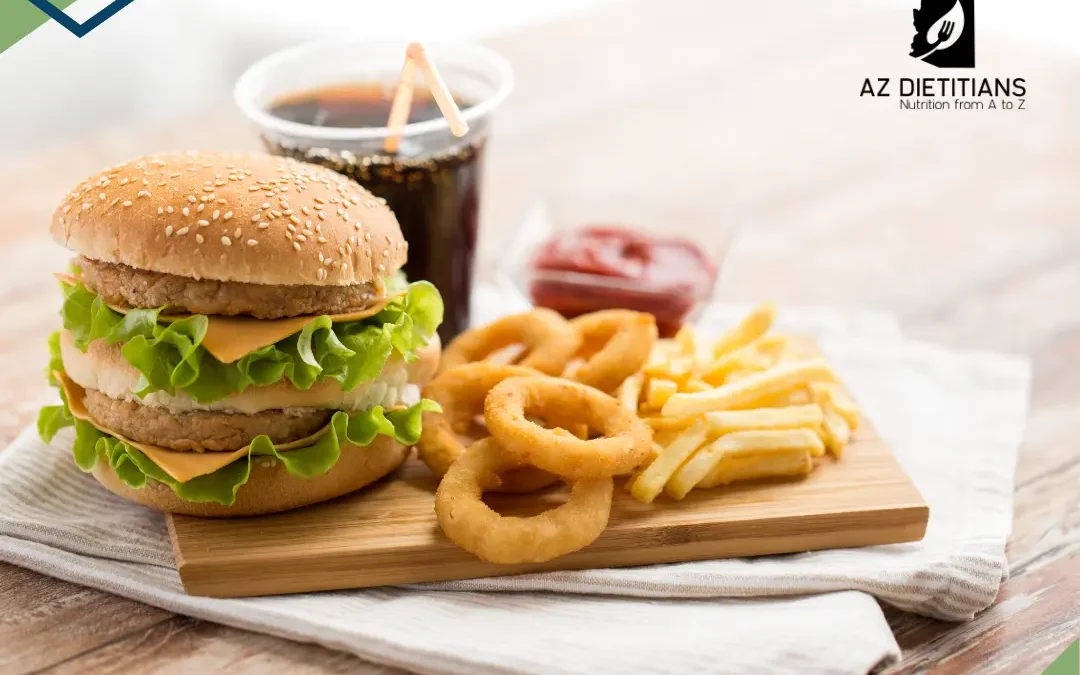
Could the ultra-processed foods you eat regularly be affecting your brain health? Learn about the potential connections between ultra-processed foods, memory, mood, inflammation, and cognitive health, along with simple ways to make more nutritious choices.

Wondering what to eat after gallbladder removal? Learn how your diet may need to change after surgery and get practical tips for supporting digestion as your body adjusts.