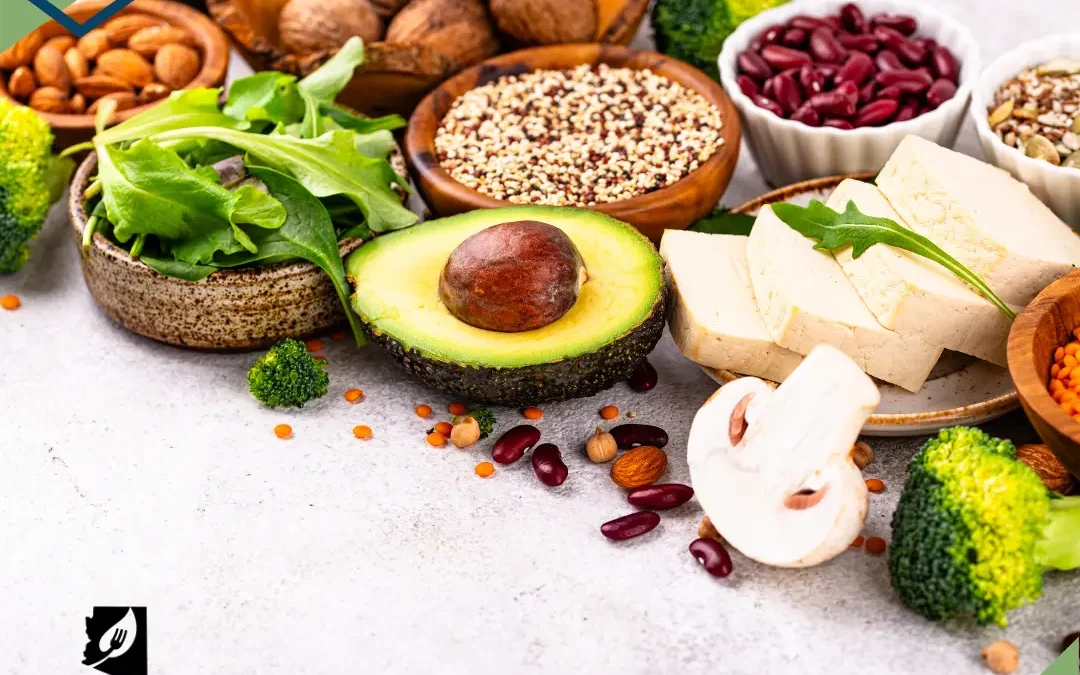
When people think of protein, meat is often the first thing that comes to mind. Chicken, beef, and fish have long been considered the “main” sources of protein in a typical diet. But, this leaves an important question for some to consider: what if you’re a vegetarian, vegan, or simply want to cut back on meat? Is it still possible to get enough protein? The answer is yes, and it will take some planning, but plant-based proteins can meet your needs.
Why Protein Matters
Protein is essential for building and repairing muscle, maintaining immune function, producing hormones and enzymes, and keeping you full after meals. For most adults, the general recommendation is about 0.8 grams of protein per kilogram of body weight per day, but needs may be higher if you’re very active, older, recovering from injury or illness, or managing certain health conditions.
The challenge with plant-based diets isn’t a lack of protein altogether, but it’s making sure you’re choosing the right foods to hit your goals while also covering all the essential amino acids your body doesn’t make on its own.
Top Plant-Based Protein Sources
Here is a breakdown of some of the best plant-based options to include in your diet:
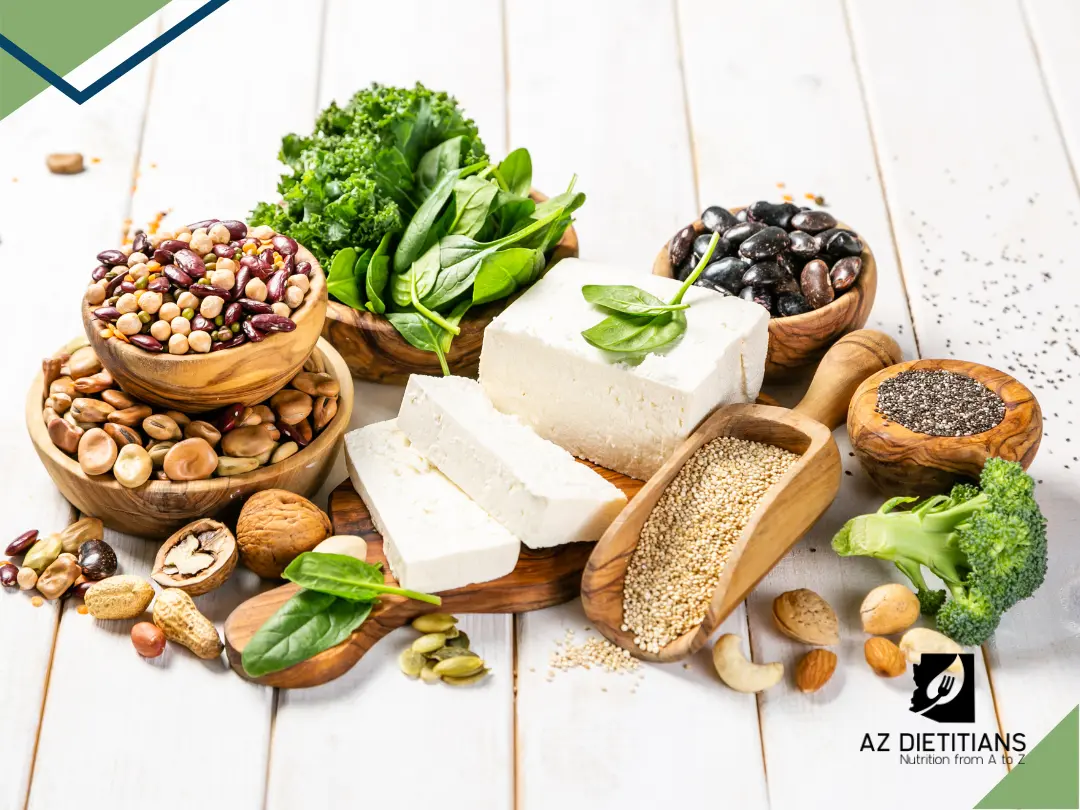
- Legumes: Lentils, chickpeas, and black beans are excellent protein sources and also provide fiber for gut health. For example, one cup of cooked lentils has about 18 grams of protein.
- Soy products: These include tofu, tempeh, and edamame, which are all complete proteins, meaning they contain all nine essential amino acids. A half-cup of firm tofu offers 10 grams of protein.
- Whole grains: Quinoa, farro, and bulgur add variety and protein. Quinoa stands out as a complete protein with 8 grams per cup cooked.
- Nuts and seeds: Almonds, pumpkin seeds, chia, and hemp seeds are portable, versatile, and protein-dense. Hemp seeds, for example, provide 10 grams per 3 tablespoons.
- Seitan: Made from wheat gluten, seitan is a high-protein meat substitute with about 25 grams per 3 ounces. When cooked, it has the same look and texture as meat
- Dairy or dairy alternatives: If you’re vegetarian (not vegan), Greek yogurt and cottage cheese are great additions. For plant-based options, choose soy milk or pea protein–based alternatives fortified with nutrients.
Plant-based Diets Have Benefits
Switching to a diet rich in plant-based proteins offers more than just a way to meet your protein needs without meat, it can also support long-term health. Research shows that diets higher in plant proteins are linked to a lower risk of heart disease, type 2 diabetes, and certain cancers, likely due to the combination of fiber, antioxidants, and lower saturated fat compared to animal proteins. In addition, plant-based eating has been associated with improved weight management and reduced overall mortality. Beyond personal health, choosing plant proteins also benefits the environment, since they require fewer natural resources and produce less greenhouse gas emissions compared to animal protein sources. For those looking to improve health and sustainability, emphasizing plant-based protein is a powerful step.
How to Ensure You’re Getting Enough Protein
There are some strategies to help make sure that you can still meet your protein goals. Aim for having protein sources during every meal instead of one large source at dinner. It may be easier on your GI system to spread protein across breakfast, lunch, and snacks. You can also upgrade familiar meals by adding lentils to soups, swapping rice for quinoa, or topping salads with beans, nuts, or tofu.
Leverage convenience foods like pre-cooked lentils, frozen edamame, and roasted chickpeas to make plant proteins quick and easy. You may also consider fortified products. Some plant-based milks, cereals, and protein powders are fortified with additional protein, vitamins, and minerals like B12 and iron. These can also help with convenience and can be taken during small snacks throughout the day.
The bottom line is that you don’t need meat to meet your protein needs. With legumes, soy, grains, nuts, seeds, and fortified products, a plant-based or flexitarian diet can provide plenty of protein while also delivering fiber, antioxidants, and heart-healthy nutrients. The key is to maintain variety and ensure you’re eating a balanced diet. So, whether you’re vegetarian, vegan, or just looking to eat more plants, your muscles, energy levels, and overall health can thrive on plant-based protein.
References
Clark, M. A., Springmann, M., Hill, J., & Tilman, D. (2019). Multiple health and environmental impacts of foods. Proceedings of the National Academy of Sciences, 116(46), 23357–23362. https://doi.org/10.1073/pnas.1906908116
Clem, J., & Barthel, B. (2021). A Look at Plant-Based Diets. Missouri medicine, 118(3), 233–238. https://pmc.ncbi.nlm.nih.gov/articles/PMC8210981/
Huang, J., Liao, L. M., Weinstein, S. J., Sinha, R., Graubard, B. I., & Freedman, N. D. (2020). Association between plant and animal protein intake and overall and cause-specific mortality. JAMA Internal Medicine, 180(9), 1173–1184. https://doi.org/10.1001/jamainternmed.2020.2790
Petre, A., & Ajmera, R. (2023). The 18 best protein sources for vegans and vegetarians. Healthline. Retrieved from https://www.healthline.com/nutrition/protein-for-vegans-vegetarians#seitan
Wempen, K. (2024). Are you getting too much protein? Mayo Clinic Health System. Retrieved from https://www.mayoclinichealthsystem.org/hometown-health/speaking-of-health/are-you-getting-too-much-protein#:~:text=The%20recommended%20dietary%20allowance%20to,grams%20of%20protein%20per%20day