Retatrutide Peptide
You've probably already heard of GLP-1 medications like Ozempic taking over the market. However, there is a new and...

Last updated: February 5, 2026
Created by: Kristen Carli, Dietetic Intern
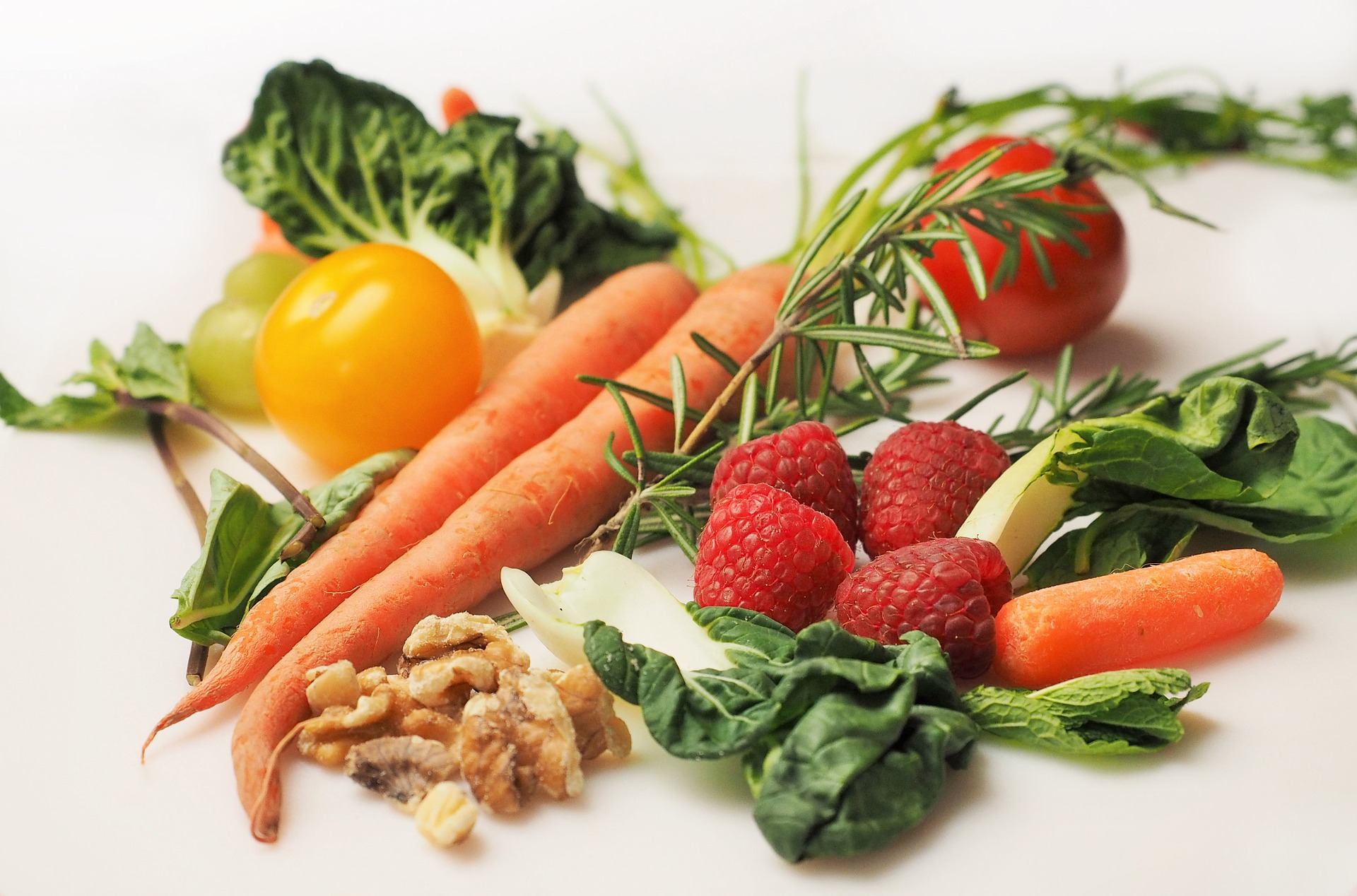
Fruits and vegetables are some of the best foods that we can eat. They contain a lot of fiber, phytonutrients, vitamins and minerals. However, most Americans do not eat enough. Aim to eat 5 servings of fruits and vegetables per day. The more the merrier!
Fruits and vegetables grow in various seasons. Some requiring colder weather, while some requiring warmer weather. Choose to eat in season to consume fruits and vegetables in their prime state of nutrition. Not only will they be more vitamin-packed, but they will also be more affordable.
See below list of seasonal produce and corresponding easy recipes. Try to incorporate more of these foods into your diet.
Winter
Make a simple salad with orange slices, shaved fennel, and white beans over mixed greens. Roast brussels sprouts with olive oil in the oven until crispy and serve with chopped dates for a sweet & salty side dish. Make a seasonal fruit salad with apples, pears, and cranberries.
Spring
Toss in peas and lemon zest to risotto to make a bright, refreshing entree. Make a vegetable side with roasted cauliflower, artichoke hearts, and chickpeas, dressed with olive oil and vinegar. Serve carrots, broccoli, and celery over spinach in a side salad.
Summer
Make an easy peach and blueberry crisp by combining fruit in a baking dish and topping with a mixture of flour, nuts, and maple syrup. Saute green beans in olive oil with garlic for a simple side dish. Grill sweet corn on the cob. Serve a caprese salad made from sliced tomatoes, fresh basil, sliced peaches, and mozzarella slices.
Autumn
Roast sweet potatoes and load them with black beans, low-fat cheese, and cilantro. Serve up a salad with kale, sliced figs, goat cheese, and walnuts. Carve pumpkins and save the seeds to roast with spices.
For other tips on how to create and live a healthy lifestyle, contact us today!
Material adapted from eatright.org
Last updated: February 5, 2026
AZ Dietitians offers in-person and virtual appointments for Arizona clients. Now offering telehealth services for clients in Colorado, Utah, and California.
You've probably already heard of GLP-1 medications like Ozempic taking over the market. However, there is a new and...

Fasting can affect women differently depending on factors like age, activity level, hormonal health, and reproductive status. Learn what research says about intermittent fasting, PCOS, menstrual health, bone density, and more.
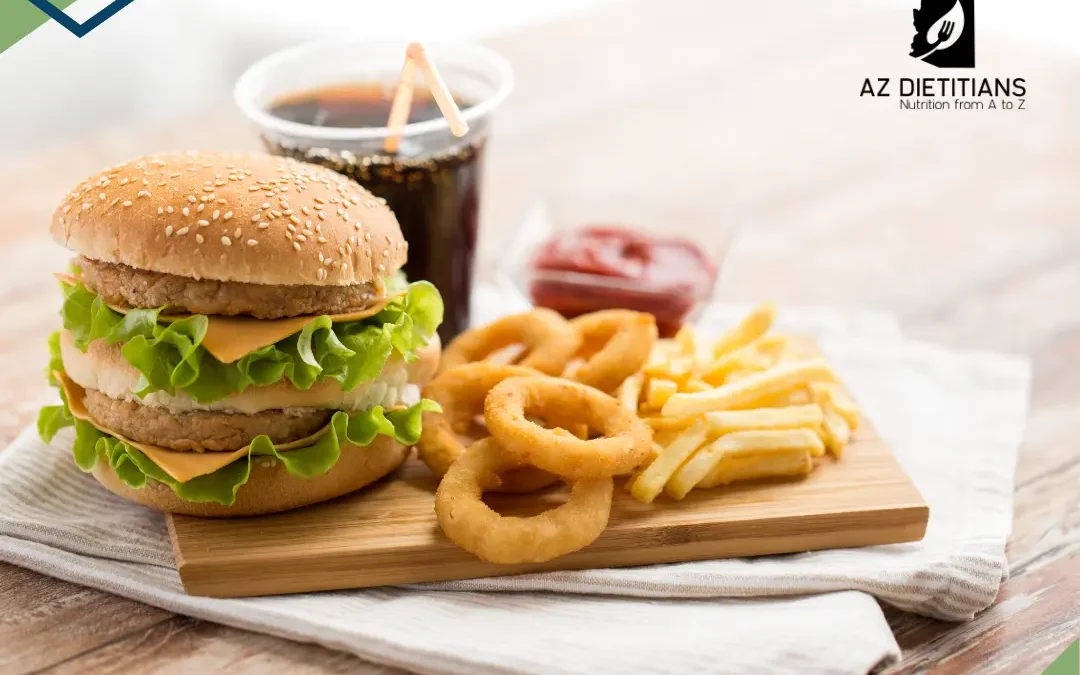
Could the ultra-processed foods you eat regularly be affecting your brain health? Learn about the potential connections between ultra-processed foods, memory, mood, inflammation, and cognitive health, along with simple ways to make more nutritious choices.

Wondering what to eat after gallbladder removal? Learn how your diet may need to change after surgery and get practical tips for supporting digestion as your body adjusts.