Retatrutide Peptide
You've probably already heard of GLP-1 medications like Ozempic taking over the market. However, there is a new and...

Last updated: February 5, 2026
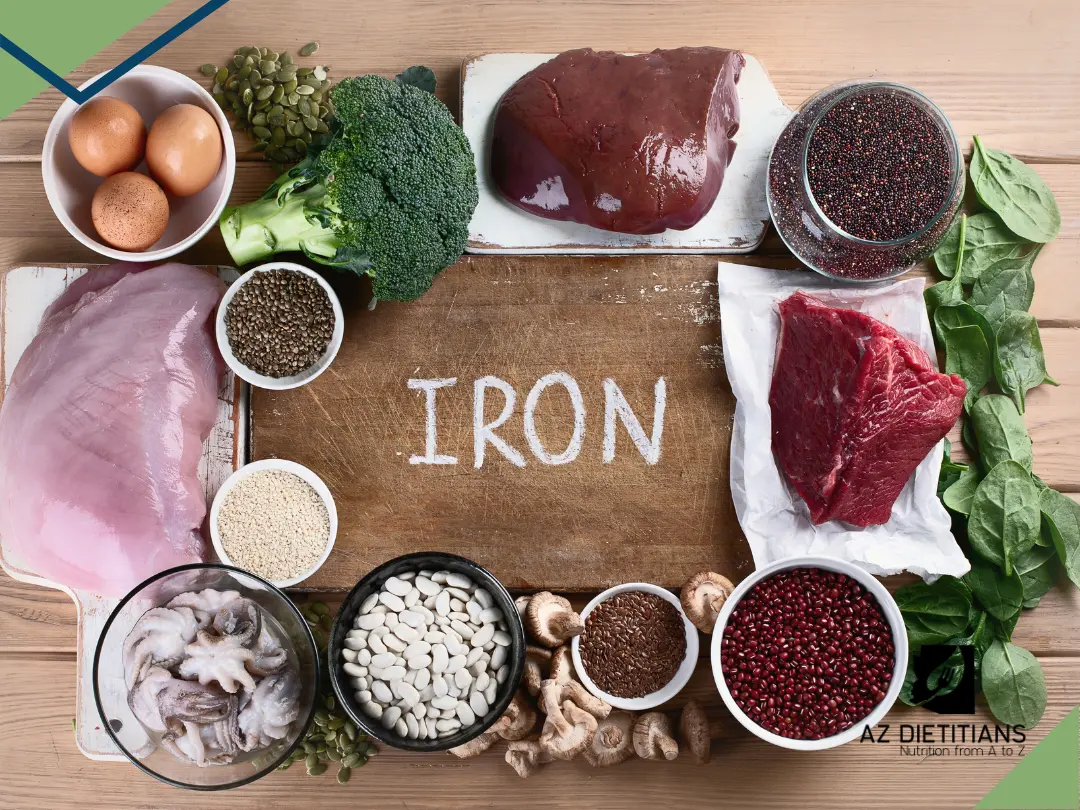
Are you feeling tired all the time? Struggling with low energy or dizziness? You’re not alone. Iron deficiency is the most common nutrient deficiency in the world, affecting between 1-2 billion people each year. Because iron plays a key role in making red blood cells and carrying oxygen throughout the body, even small deficiencies can leave you feeling exhausted.
Many people turn to supplements to boost their iron levels, but the catch is that not all iron supplements work the same way. The type you take, how your body absorbs it, and even what you eat with it can make a big difference. Let’s break down why some iron supplements work better than others, and how to choose the right one for you.
Iron is essential for making hemoglobin, a protein in red blood cells that carries oxygen to your tissues. Without enough iron, your body can’t produce healthy red blood cells, leading to iron-deficiency anemia.
Common symptoms of low iron include:
Some groups are at higher risk for iron deficiency, including:
For these groups, iron supplements are often recommended. But choosing the right one can be tricky.
Iron supplements come in several forms, and each works a little differently in the body.
The best supplement depends on your tolerance, needs, and budget.
Taking an iron supplement doesn’t guarantee that your body will absorb all of it. Iron absorption depends on both the type of iron and various dietary and physiological factors. Heme iron from animal sources is absorbed more efficiently than non-heme iron from plants, which can be inhibited by compounds like phytates, polyphenols, and calcium. Coffee, tea, antacids, and dairy products can also reduce absorption, while vitamin C and animal proteins can enhance it. For example, pairing iron with orange juice or a vitamin C-rich food can increase absorption.
Iron is best absorbed on an empty stomach, but this can cause stomach upset, so a practical approach is to take it between meals or before bed. Additionally, absorption increases in states like iron deficiency, pregnancy, or periods of rapid growth. In the end, timing your supplement, pairing it with enhancers, and avoiding inhibitors can help ensure your body gets the most benefit from your iron pill.
So, which one should you take? Here are some quick guidelines:
Remember, don’t start iron supplements without checking your iron levels first. Too much iron can be dangerous, leading to organ damage over time. A simple blood test from your doctor can confirm if you really need it, and always follow your healthcare provider’s dosing instructions.
Iron supplements can be life-changing if you’re deficient, but the right choice depends on your body and your needs. Some forms absorb better, some are easier on the stomach, and some are simply more affordable.
If you think you might be low in iron, talk to your doctor or a Registered Dietitian and get tested before starting a supplement. With the right form and a few smart habits, you can boost your iron levels, improve your energy, and feel more like yourself again.
References
Al-Naseem, A., Sallam, A., Choudhury, S., & Thachil, J. (2021). Iron deficiency without anaemia: a diagnosis that matters. Clinical Medicine, 21(2), 107-113. https://doi.org/10.7861/clinmed.2020-0582
Cleveland Clinic. (2022). Iron supplement (ferrous sulfate). In Health Library: Drugs, devices & supplements. Cleveland Clinic. Retrieved from https://my.clevelandclinic.org/health/drugs/14568-iron-oral-supplements-for-anemia
Dasa, F., & Abera, T. (2018). Factors affecting iron absorption and mitigation mechanisms: a review. Int. J. Agric. Sci. Food Technol, 4(1), 24-30. DOI: 10.17352/2455-815X.000033
Peyrin-Biroulet, L., Williet, N., & Cacoub, P. (2015). Guidelines on the diagnosis and treatment of iron deficiency across indications: a systematic review. The American journal of clinical nutrition, 102(6), 1585-1594. https://doi.org/10.3945/ajcn.114.103366
Tecco, H. (2020). Types of iron supplements. Natalist. Retrieved from https://natalist.com/blogs/learn/types-of-iron-supplements#:~:text=Ferrous%20Sulfate%2CLiquid%20Iron%20Supplements
Last updated: February 5, 2026
AZ Dietitians offers in-person and virtual appointments for Arizona clients. Now offering telehealth services for clients in Colorado, Utah, and California.
You've probably already heard of GLP-1 medications like Ozempic taking over the market. However, there is a new and...
Fasting can affect women differently depending on factors like age, activity level, hormonal health, and reproductive status. Learn what research says about intermittent fasting, PCOS, menstrual health, bone density, and more.

Could the ultra-processed foods you eat regularly be affecting your brain health? Learn about the potential connections between ultra-processed foods, memory, mood, inflammation, and cognitive health, along with simple ways to make more nutritious choices.

Wondering what to eat after gallbladder removal? Learn how your diet may need to change after surgery and get practical tips for supporting digestion as your body adjusts.