
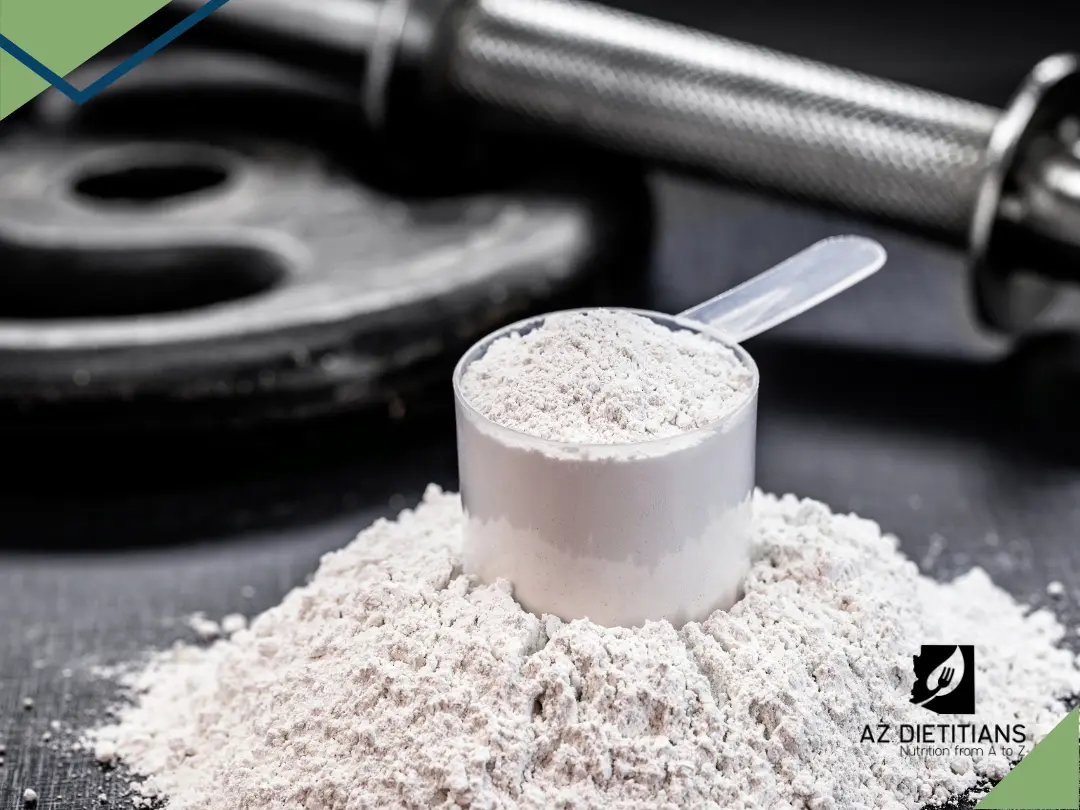
When you hear the word “creatine,” you might picture bodybuilders at the gym trying to build muscle and bulk up. But in 2025, creatine has become more mainstream. From athletes and college students to older adults, more people are adding creatine supplements to their daily routine. What makes this simple compound so popular, and is it actually safe? In this week’s blog post, we’ll take a closer look at one of the most studied supplements in the world.
What Is Creatine?
Creatine is a natural compound that your body makes in small amounts and stores in your muscles. It’s also found in foods like red meat and fish. Its main job is to help your body quickly produce energy during high-intensity activities such as sprinting or lifting weights.
In simple terms, creatine helps “recycle” ATP, the body’s main energy source. By topping up your body’s creatine stores, supplementation allows your muscles and brain to access extra energy when they need it most.
The Key Benefits of Creatine
- Improved strength and exercise performance: The strongest evidence for creatine is in athletic performance. Research consistently shows that creatine supplementation increases strength, power, and endurance in short, high-intensity activities. Athletes who take creatine are often able to push themselves harder in training, which can lead to better results over time.
- Support for muscle growth and recovery: Creatine also helps muscles hold more water, which not only makes them look larger, but also signals the body to build new muscle. Studies suggest that creatine users gain more lean muscle mass when combined with resistance training compared to exercise alone. It can also help reduce the recovery time between workouts.
- Brain health and cognitive function: Creatine isn’t just for muscles, but it’s also important for your brain. Emerging research suggests creatine may improve memory, focus, and mental fatigue, especially in people who are sleep-deprived or under stress. Scientists are even exploring creatine’s potential role in protecting against neurological conditions like Parkinson’s and Alzheimer’s disease.
- Healthy aging: One of the most exciting areas of research is how creatine may help older adults. As we age, muscle loss, or sarcopenia, can make everyday activities more difficult. Studies have found that older adults who take creatine alongside resistance training may maintain muscle mass and independence longer than those who don’t.
Who Is Using Creatine Supplementation Now?
- Athletes: Creatine has been a staple in sports nutrition for decades, but it’s now used in a wider range of sports beyond bodybuilding, from soccer to swimming.
- Women: Traditionally, men were using creatine at much higher rates. However, more and more women are turning to creatine for muscle tone, strength, and recovery benefits.
- Older adults: Interest is growing among seniors who want to preserve strength and mobility.
- Students and professionals: Because of its potential cognitive benefits, creatine is becoming popular among people seeking a mental performance edge.
How to Take Creatine Safely
The most studied and recommended form is creatine monohydrate. It’s proven safe, effective, and affordable. The standard dosage is 3–5 grams daily. When you first start out, there is an optional loading phase that consists of initially taking 20 grams per day, split into 4 doses, for 5–7 days. After that, continue with 3–5 grams daily. Best practice shows it’s beneficial to take with water. Pairing it with food may also increase its absorption. It is important to remember consistency matters more than timing, so whether you take creatine in the morning, before your workout, or in the evening, the key is to stick with it.
Is Creatine Safe to Use?
One of the biggest myths about creatine is that it’s unsafe. In reality, creatine is one of the most researched supplements, with hundreds of studies supporting its safety in healthy people.
Common myths include ideas like creatine is a steroid. This is false as creatine is a naturally occurring compound, not a hormone. Or, creatine damages the kidneys. Healthy individuals are safe, as long-term studies show no harmful effects in people without kidney disease. Those with kidney or liver conditions, however, should consult a doctor before using it. Sometimes people claim that creatine causes bloating. Creatine may cause muscles to hold more water, but this is stored inside muscle cells, not under the skin.
Who Should Be Cautious with Creatine Supplementation?
Creatine is generally safe, but not for everyone. People with kidney disease or other serious health conditions should avoid creatine unless cleared by their healthcare provider. Teenagers may use creatine with medical guidance, but unsupervised use isn’t recommended.
Final Thoughts
Creatine has come a long way from being thought of as a “gym bro” supplement. Today, it’s recognized as a safe, affordable, and effective option for building strength, supporting brain health, and even promoting healthy aging. Whether you’re an athlete pushing for new performance goals or an older adult trying to stay strong and independent, creatine may be worth considering. As with any supplement, remember that creatine works best when paired with a balanced diet, regular exercise, and healthy lifestyle habits.
References
Antonio, J., Candow, D. G., Forbes, S. C., Gualano, B., Jagim, A. R., Kreider, R. B., … & Ziegenfuss, T. N. (2021). Common questions and misconceptions about creatine supplementation: what does the scientific evidence really show? Journal of the International Society of Sports Nutrition, 18(1), 13.
Candow, D. G., & Moriarty, T. (2025). Effects of creatine monohydrate supplementation on muscle, bone and brain-hope or hype for older adults?. Current Osteoporosis Reports, 23(1), 1.
Candow, D. G., Ostojic, S. M., Chilibeck, P. D., Longobardi, I., Gualano, B., Tarnopolsky, M. A., … & Antonio, J. (2025). Creatine monohydrate supplementation for older adults and clinical populations. Journal of the International Society of Sports Nutrition, 22(sup1), 2534130.
Ostojic, S. M. (2021). Creatine as a food supplement for the general population. Journal of Functional Foods, 83, 104568. https://doi.org/10.1016/j.jff.2021.104568
Yamaguchi, S., Inami, T., Nishioka, T., Morito, A., Ishiyama, K., & Murayama, M. (2025). The effects of creatine monohydrate supplementation on recovery from eccentric exercise-induced muscle damage: A double-blind, randomized, placebo-controlled trial considering sex and age differences. Nutrients, 17(11), 1772. https://doi.org/10.3390/nu17111772
Zahabi, G., García-Ramos, A., Ilic, V., Nedeljkovic, A., Štajer, V., Žugaj, N., & Pekas, D. (2024). Effects of short-term creatine monohydrate supplementation combined with strength training on the physical fitness characteristics and muscle hypertrophy in junior women wrestlers. Journal of health and allied sciences NU. DOI: 10.1055/s-0044-1788683