Retatrutide Peptide
You've probably already heard of GLP-1 medications like Ozempic taking over the market. However, there is a new and...

Last updated: February 5, 2026
Created by: Gabrielle Forman, Dietetic Intern
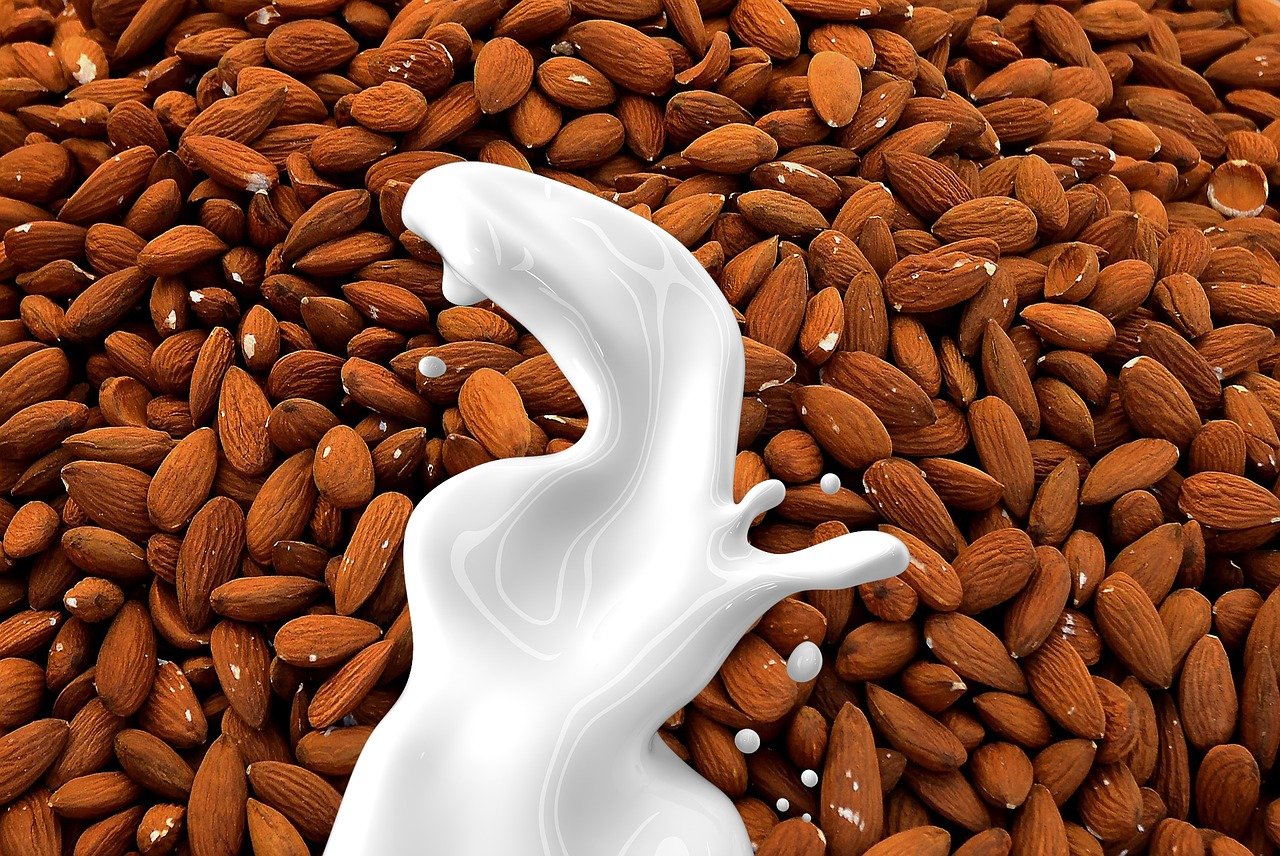
Dairy is an important element of a balanced diet. But, it is not the right choice for everyone. Some individuals choose not to consume dairy because they dislike it, are intolerant, or are abstaining due to ethical or religious reasons. These individuals may want to consider supplementing their diet with fortified plant-based milks.
It is important to remember that not all plant milks are alike. Consumers should make a point to compare the Nutrition Facts Label of different brands to ensure that the product they are selecting is fortified with calcium, protein, and vitamin D.
In addition to checking for these key nutrients it should also be noted that a number of milk alternatives have added sugar. Look for the unsweetened or lower sugar varieties when selecting a plant-based milk alternative.
Soy and nut milks are very common nowadays and are more likely to have fortified options in most grocery stores. Coconut milk is also popular but tends to be high in saturated fat and may not be suitable for people on a low cholesterol diet.
If you are looking for other ways to create a balanced diet and a healthy lifestyle, our Registered Dietitians can help. Simply contact us today to schedule an appointment with one of our nutrition professionals.
Last updated: February 5, 2026
AZ Dietitians offers in-person and virtual appointments for Arizona clients. Now offering telehealth services for clients in Colorado, Utah, and California.
You've probably already heard of GLP-1 medications like Ozempic taking over the market. However, there is a new and...

Fasting can affect women differently depending on factors like age, activity level, hormonal health, and reproductive status. Learn what research says about intermittent fasting, PCOS, menstrual health, bone density, and more.
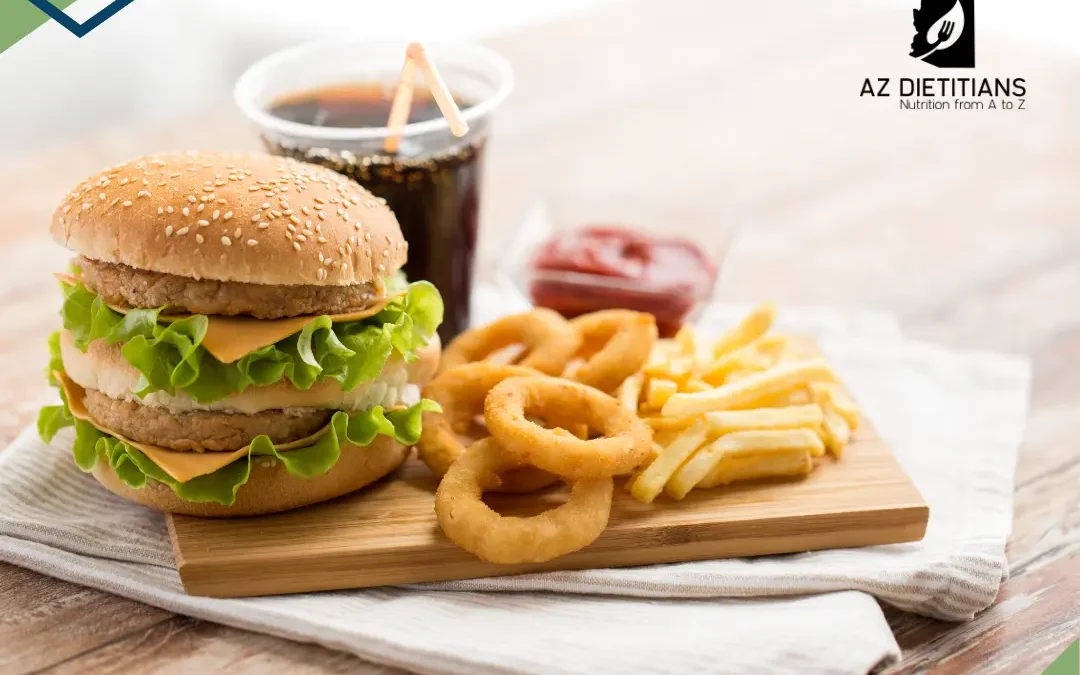
Could the ultra-processed foods you eat regularly be affecting your brain health? Learn about the potential connections between ultra-processed foods, memory, mood, inflammation, and cognitive health, along with simple ways to make more nutritious choices.

Wondering what to eat after gallbladder removal? Learn how your diet may need to change after surgery and get practical tips for supporting digestion as your body adjusts.