Retatrutide Peptide
You've probably already heard of GLP-1 medications like Ozempic taking over the market. However, there is a new and...

Last updated: February 5, 2026
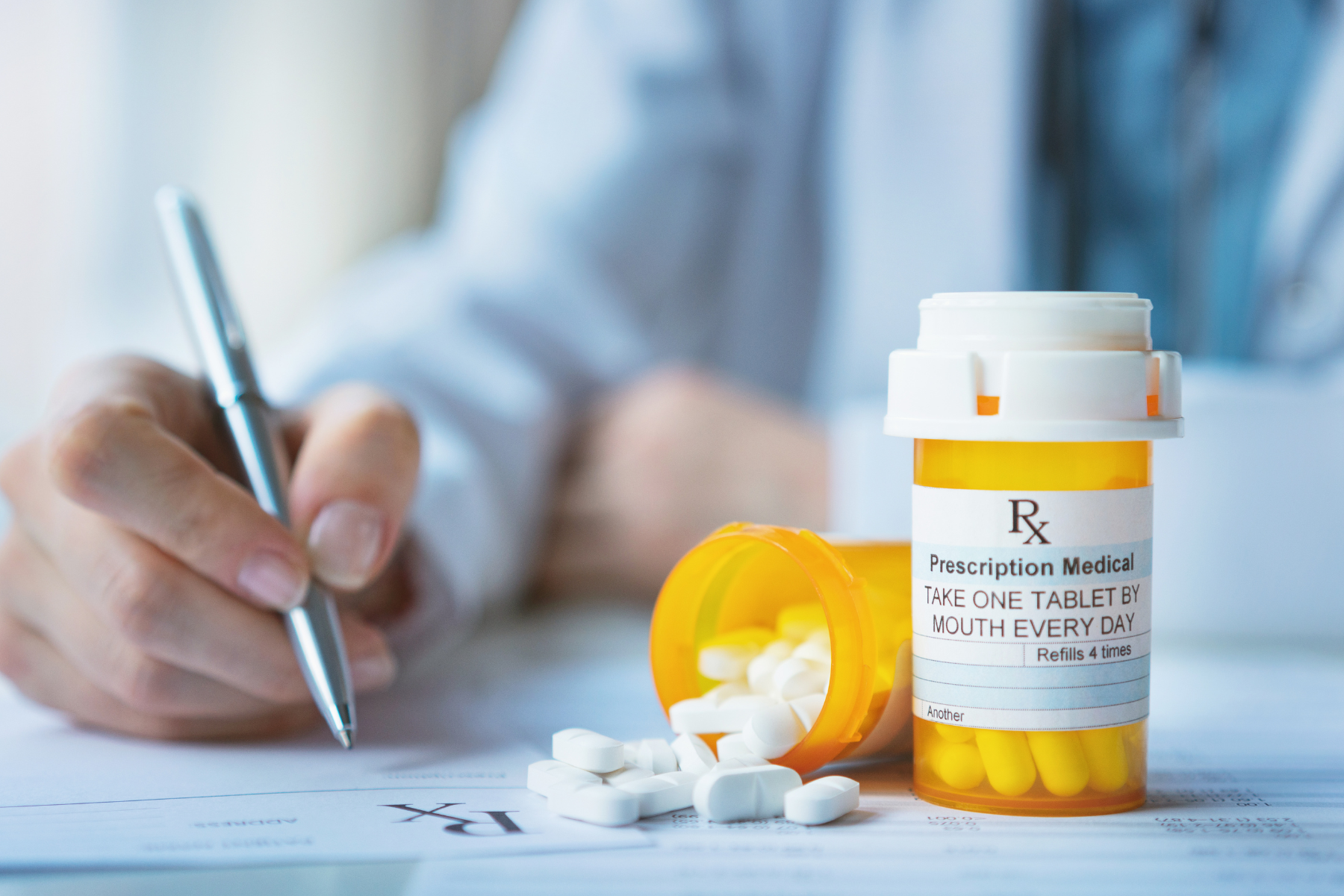
The impact of cholesterol-lowering medications on blood glucose levels is less well-known but has been gaining some traction. Understanding this connection is crucial for comprehensive health management. If you take a cholesterol-reducing medication then keep on reading!
Commonly prescribed cholesterol-lowering medications include statins, fibrates, and bile acid sequestrants. These drugs aim to manage lipid profiles by reducing levels of LDL cholesterol (the “bad” cholesterol) and triglycerides while increasing HDL cholesterol (the “good” cholesterol).
Research suggests a potential connection between cholesterol medications, particularly statins, and blood glucose levels. Let’s explore the scientific mechanisms that underlie this intriguing relationship:
Several studies have explored the relationship between cholesterol medications and blood glucose levels:
Understanding the potential impact of cholesterol-lowering medications on blood glucose levels has clinical implications, especially for individuals at risk of or managing diabetes. It underscores the importance of regular monitoring and personalized healthcare plans.
As registered dietitians, our commitment is to provide evidence-based insights into the complex interactions between medications and physiological functions. The relationship between cholesterol-lowering medications and blood glucose levels is an evolving area of research, emphasizing the need for personalized healthcare strategies.
Individual responses to medications vary. Ongoing research will contribute to refining our understanding of this intricate connection, enabling us to offer more tailored guidance for our client’s well-being.
Last updated: February 5, 2026
AZ Dietitians offers in-person and virtual appointments for Arizona clients. Now offering telehealth services for clients in Colorado, Utah, and California.
You've probably already heard of GLP-1 medications like Ozempic taking over the market. However, there is a new and...

Fasting can affect women differently depending on factors like age, activity level, hormonal health, and reproductive status. Learn what research says about intermittent fasting, PCOS, menstrual health, bone density, and more.

Could the ultra-processed foods you eat regularly be affecting your brain health? Learn about the potential connections between ultra-processed foods, memory, mood, inflammation, and cognitive health, along with simple ways to make more nutritious choices.

Wondering what to eat after gallbladder removal? Learn how your diet may need to change after surgery and get practical tips for supporting digestion as your body adjusts.