Retatrutide Peptide
You've probably already heard of GLP-1 medications like Ozempic taking over the market. However, there is a new and...

Last updated: February 5, 2026
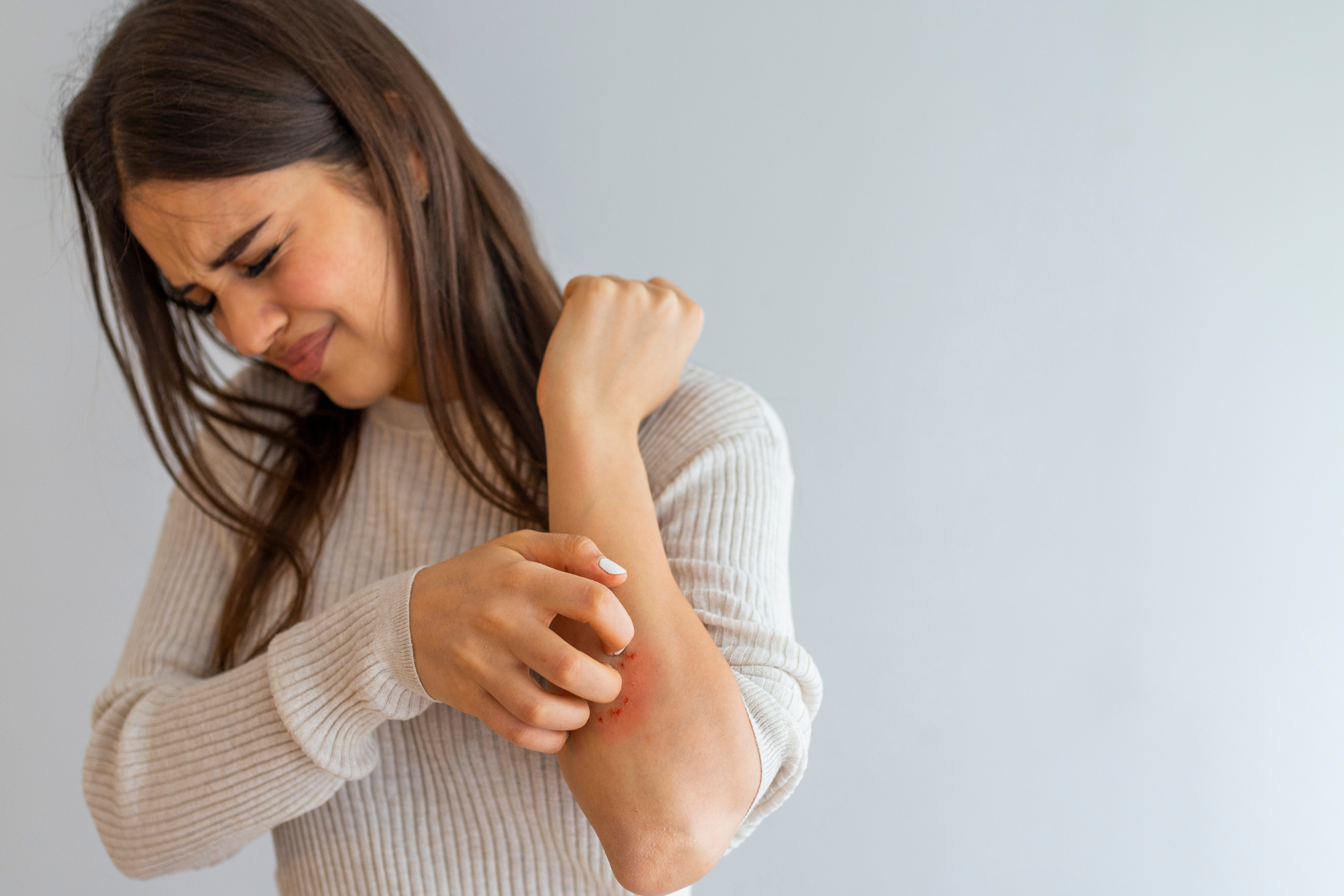
Eczema is a skin condition often associated with dryness, itchiness, rashes, and blisters. One in ten people will have eczema at a point in their life and the disease can range from mild to severe (WebMD, 2023). Eczema is caused by inflammation and can be a real pain for people because itching the spots will only make the reaction worse.
The skin condition is caused by a combination of genetic and environmental factors. Genetically, eczema can often run in families which means that one or both parents having the condition would increase the risk of their children also developing eczema. Environmental factors can also have an impact on eczema development. A few environmental factors that impact the disease are:
Another factor that can influence eczema in some individuals is stress. Stress is not the root cause of the disease, but it can trigger a flare-up in an individual who has the condition (Lien, 2011).
Eczema can be seen in all ages but commonly affects infants and children. The condition typically develops under age five but can develop at any time in life. The condition also stays with people as it occurs as flare-ups of the symptoms. The illness has become more common in recent years as only about 1-3% of adults have it but around 15-20% of children have it (WebMD, 2023). Some people have fewer symptoms as they age and some individuals still experience the same severity with age.
A relationship between certain factors involving pregnancy also impacts the chance of developing eczema (Kim, 2019). A few factors noticed in research are:
Research has shown that the gut bacterial populations of individuals with eczema have less diversity than normal individuals. The link between these two factors is still being discovered but there is evidence of a relationship between the skin and the gut.
The skin and the gut both have vast bacterial colonies which help the body recycle waste material. When the bacteria is not present in a balanced amount on either part of the body, it is called microbial dysbiosis (Kim, 2019). Essentially, this means that the body will get angry at the imbalance and cause an inflammatory response. The inflammatory response to eczema can be triggered by an imbalance in the skin or in the gut.
The immune system is the key to these responses and the relationship between eczema and the gut microbiome. The immune system helps the body fight off infections which means that it may attack the “bad” bacteria in the gut or on the skin. The immune system is typically triggered by allergens or irritants internally or externally and causes the itchy rashes associated with eczema (Kim, 2019).
Changes in diet are known to have a positive impact on eczema symptoms. These changes are not known to prevent the condition but can bring symptom relief. Common allergens such as eggs, dairy, wheat, soy, and nuts can often be a trigger food. If you believe that one of these foods typically causes a flare-up, then it could be beneficial to avoid that food.
Prebiotics, probiotics, and symbiotic foods are an options to lessen symptoms because they help maintain healthy gut bacteria. Prebiotics are fibers that can be found in foods and they are a food source for the good bacteria in the gut. Probiotics are live bacteria and yeast that can be consumed in fermented foods like yogurt and sauerkraut to restore the gut bacteria populations. Synbiotics are a combination of both pre and probiotics which supports the survival of the probiotics. These three options can be found in many food options at the grocery store and are associated with symptom relief for eczema.
Hydration is another factor that can help lessen symptoms because it can help with skin moisture which can reduce the severity of eczema rashes (Lien, 2011).
Overall, eczema is a skin condition that is also related to gut health and diet choices. Making small diet changes can help with symptom relief. Consult a medical professional if you have any questions or a dietitian to help with diet changes.
1. Kim, J. E., & Kim, H. S. (2019). Microbiome of the Skin and Gut in Atopic Dermatitis (AD): Understanding the Pathophysiology and Finding Novel Management Strategies. Journal of clinical medicine, 8(4), 444. https://doi.org/10.3390/jcm8040444
2. Lien, T. Y., & Goldman, R. D. (2011). Breastfeeding and maternal diet in atopic dermatitis. Canadian family physician Medecin de famille canadien, 57(12), 1403–1405.
3. WebMD. (2023). Eczema can affect us all, but some more than others. WebMD. https://www.webmd.com/skin-problems-and-treatments/eczema/eczema-epidemiology
Last updated: February 5, 2026
AZ Dietitians offers in-person and virtual appointments for Arizona clients. Now offering telehealth services for clients in Colorado, Utah, and California.
You've probably already heard of GLP-1 medications like Ozempic taking over the market. However, there is a new and...

Fasting can affect women differently depending on factors like age, activity level, hormonal health, and reproductive status. Learn what research says about intermittent fasting, PCOS, menstrual health, bone density, and more.

Could the ultra-processed foods you eat regularly be affecting your brain health? Learn about the potential connections between ultra-processed foods, memory, mood, inflammation, and cognitive health, along with simple ways to make more nutritious choices.

Wondering what to eat after gallbladder removal? Learn how your diet may need to change after surgery and get practical tips for supporting digestion as your body adjusts.