Retatrutide Peptide
You've probably already heard of GLP-1 medications like Ozempic taking over the market. However, there is a new and...


Last updated: February 5, 2026
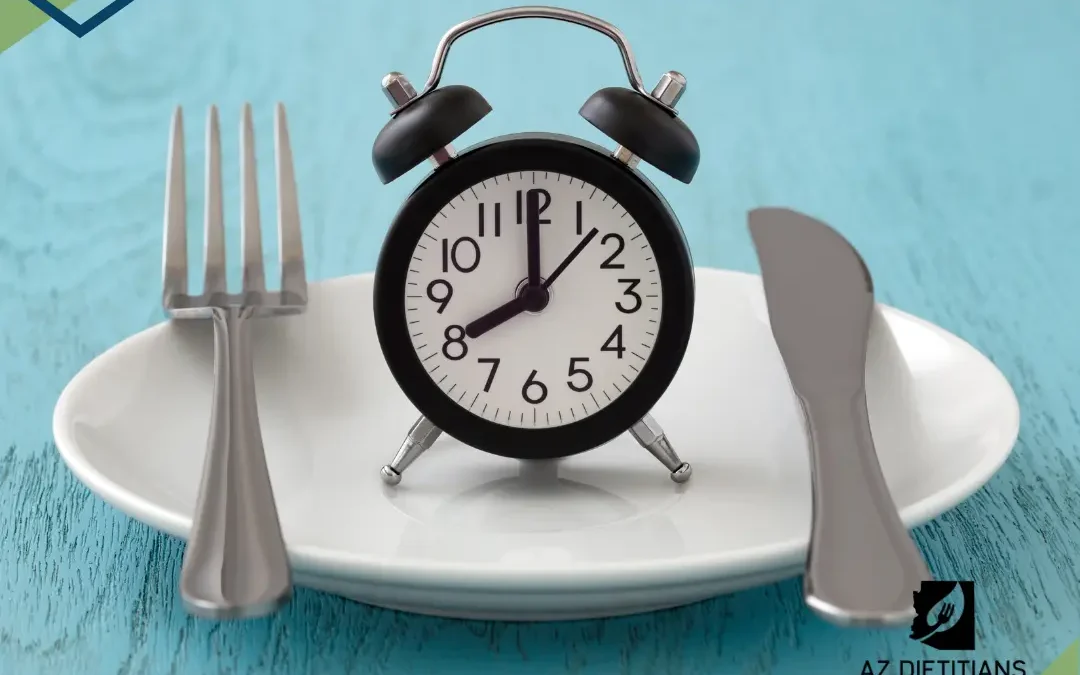
If you struggle to eat food in the morning, you’re not alone! Many individuals choose not to eat breakfast most days because they do not feel hungry enough to eat before their day begins. Keep reading to find out why you might not be hungry and what foods you should eat when your appetite at breakfast is low.
Despite having a low to no appetite, you should still eat food in the morning to stay energized throughout the day. Even if it is just a small snack to get your day going, eating food in the morning can have the following benefits (Scheer, 2013):
These benefits can improve health outcomes and prevent chronic disease. Eating breakfast can also help individuals maintain a healthy weight by preventing overeating late in the day and keeping blood sugar levels stable. Overall, it is important to prioritize eating a carbohydrate and protein combination for breaking your fast in the morning to sustain balanced energy levels throughout your day.
There can be many individual reasons for not being hungry, but a few common ones that may be causing your lack of appetite in the morning are as follows:
Another reason many people skip breakfast is because they are unaware of quick, easy, and affordable breakfast options that will keep them full longer. A few that we have gathered for reference are as follows! The important thing to make sure of when choosing an option for something light is to be sure you have a protein and carbohydrate combination!
A few ideas!
These options could have many different variations but are a great place to start because many ingredients people have in their fridge do not take a long time to prepare during a busy morning. If you have no appetite for food, it would be recommended to choose whichever option sounds the best for your body, and if modifications need to be made that is okay! Giving your body fuel to start the day is the main point!
Reference:
Scheer, F. A., Morris, C. J., & Shea, S. A. (2013). The internal circadian clock increases hunger and appetite in the evening independent of food intake and other behaviors. Obesity (Silver Spring, Md.), 21(3), 421–423. https://doi.org/10.1002/oby.20351
Last updated: February 5, 2026
AZ Dietitians offers in-person and virtual appointments for Arizona clients. Now offering telehealth services for clients in Colorado, Utah, and California.
You've probably already heard of GLP-1 medications like Ozempic taking over the market. However, there is a new and...
Fasting can affect women differently depending on factors like age, activity level, hormonal health, and reproductive status. Learn what research says about intermittent fasting, PCOS, menstrual health, bone density, and more.

Could the ultra-processed foods you eat regularly be affecting your brain health? Learn about the potential connections between ultra-processed foods, memory, mood, inflammation, and cognitive health, along with simple ways to make more nutritious choices.

Wondering what to eat after gallbladder removal? Learn how your diet may need to change after surgery and get practical tips for supporting digestion as your body adjusts.