Retatrutide Peptide
You've probably already heard of GLP-1 medications like Ozempic taking over the market. However, there is a new and...

Last updated: February 5, 2026
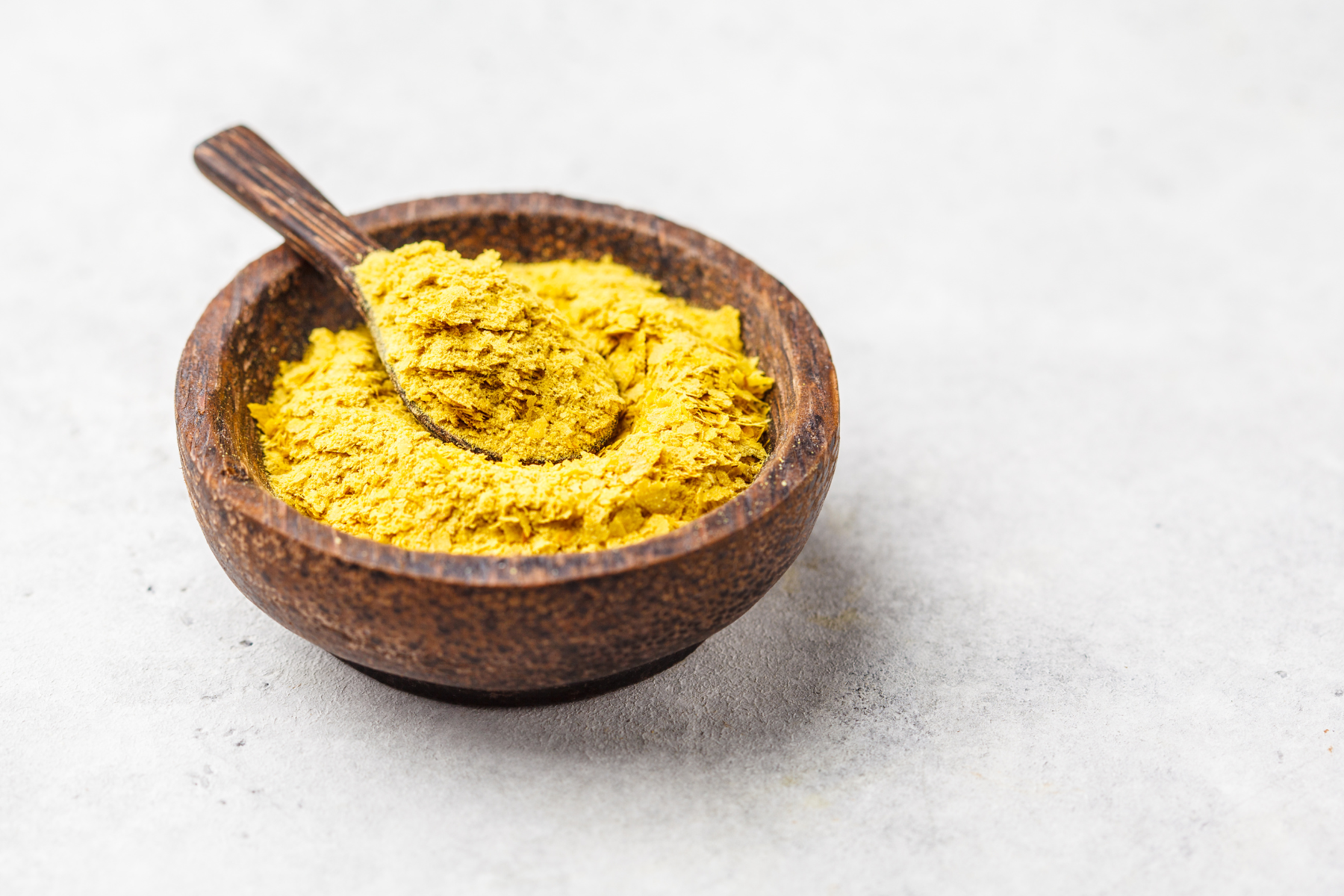
Nutritional yeast is the same type of yeast that is used to produce bread and brew beer and is a species of yeast known as Saccharomyces cerevisiae. Unlike other types of yeast, nutritional yeast is not alive – it is deactivated by heating and then sold as thin flakes and/or powder.
Two types of nutritional yeast are sold – either fortified or unfortified.
This yeast is a great source of plant-based protein, several B vitamins, and vital trace minerals.1 Trace minerals are essential minerals that the body requires, however, the body only needs them in small amounts. If the yeast has been fortified, it will contain more B vitamins than unfortified yeast will.
Nutritional yeast is an excellent high-quality plant-based protein source (particularly for vegans/vegetarians) since it contains all 9 essential amino acids that you must obtain from your diet.
Nutritional yeast is rich in several B vitamins (especially if fortified):2
Nutritional yeast is a great source of several trace minerals:4, 5, 6, 7
An antioxidant is a compound that fights unstable molecules in the body that are naturally produced as a by-product of metabolism. These unstable molecules are called “free radicals” and can cause damage to your cells and may increase your risk of disease. Antioxidants travel around your body and prevent free radicals from doing harm.
Research studies have shown that nutritional yeast contains some strong antioxidants – such as glutathione and selenomethionine.8 Eating food rich in antioxidants can reduce your risk for several chronic diseases, such as cancer, heart disease, and macular degeneration.9
The two main carbohydrates in this yeast are alpha mannan and beta-glucan, and they have shown antibacterial and antifungal benefits among animal studies (human research is still needed).10 This could aid your body when fighting off infections.
Specifically, the carbohydrate beta-glucan may work by activating immune cells and targeting the gut microbiome to promote immunity and overall health.
The beta-glucan in nutritional yeast may also help lower cholesterol levels. An 8-week research study found that men with elevated cholesterol who took 15 grams of beta-glucan (derived from the nutritional yeast) experienced a 6% decrease in total cholesterol levels.11
Extensive research has been done in this area, all of which have shown that beta-glucan can significantly lower cholesterol levels – which is a high-risk factor for heart disease.
Serving size for nutrition yeast typically ranges between 1-2 tablespoons (15-30 grams).
Nutritional yeast is safe to use in moderation, with individuals being able to typically enjoy up to 3 tablespoons per day. Currently, there is no upper intake level (UL) for this yeast, however, large doses can cause side effects due to the vitamins and minerals contained in the yeast.
This yeast is an excellent source of dietary fiber, however, this may result in abdominal discomfort if it is introduced too quickly into the diet.
Some nutritional yeast products contain tyramine, which may trigger migraine attacks in some individuals.
While this yeast is an excellent source of niacin (B3), consuming large amounts can cause facial flushing (known as niacin flush). This flushing is typically red and may be followed by a burning and/or itching sensation, however, it is generally not associated with harm and typically resolves within 1-2 hours.12
Those that have trouble processing folic acid (such as individuals with the MTHFR gene mutation) may want to use caution with nutritional yeast. These individuals should read the nutrition labels carefully and may want to opt for unfortified nutritional yeast.
When nutritional yeast is properly stored in a dark and cool place, it can last up to 2 years.
It has a distinct, cheesy taste which makes it perfect for being a cheese substitute in cheese-based recipes.
Here are a few examples of ways nutritional yeast can spice up your life:13
Nutritional yeast can be incorporated into many of your favorite savory recipes.
Here are some recipes to provide more ideas for how to cook with nutritional yeast:
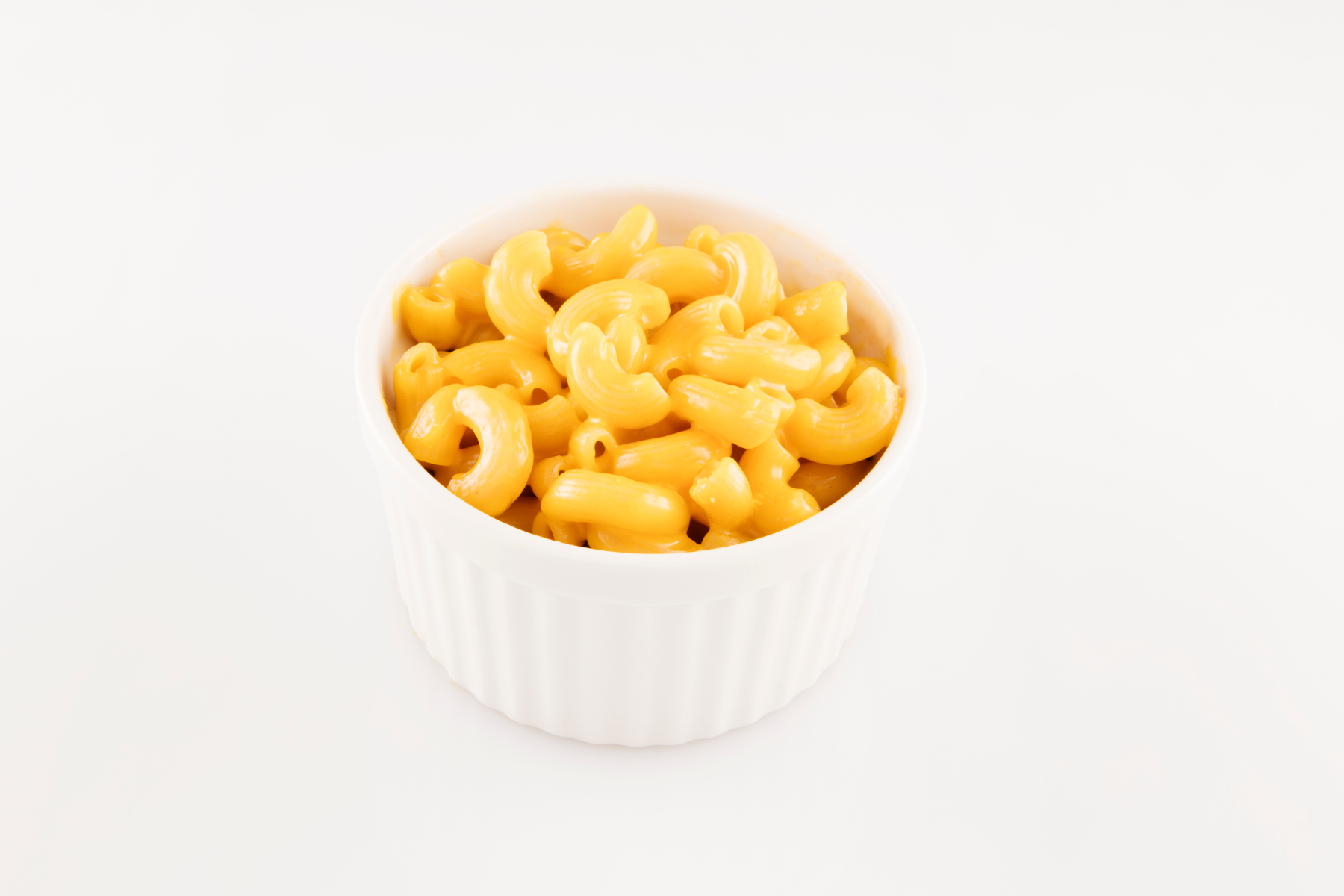 Sweet Potato Mac & Cheese
 Ingredients:
1 – 14oz package whole grain macaroni
1 large sweet potato (~12oz), peeled and chopped
1 cup chopped onion
½ cup unsweetened plant-based milk (soy, almond, coconut, or rice)
½ cup nutritional yeast
2 cloves garlic, minced
½ tsp grated whole nutmeg
½ tsp dried rosemary, crushed
Salt and pepper – to taste
Directions:
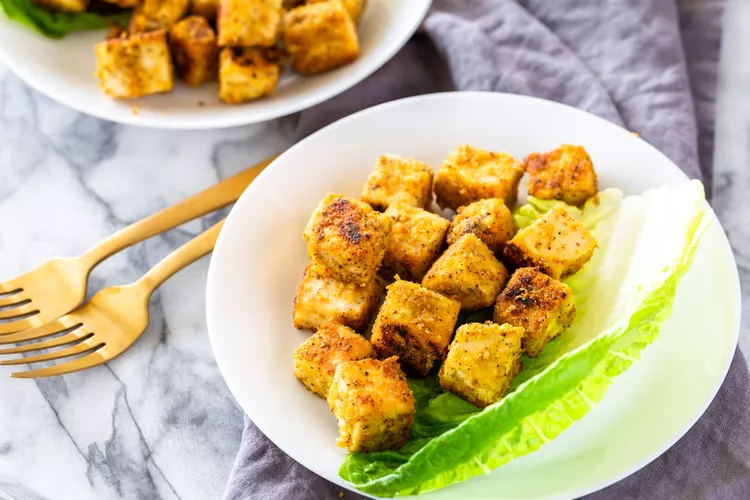 Vegan Cripsy Fried Tofu
Ingredients:
1 block form or extra-firm tofu
3 Tbsp nutritional yeast
2 Tbsp all-purpose flour
2 tsp garlic powder
½ tsp salt and pepper
2 Tbsp olive oil
Directions:
 Nutritional Yeast Popcorn
Ingredients:
2 Tbsp nutritional yeast
1 tsp Aleppo pepper or crushed red pepper flakes
1 tsp kosher salt
8 cups fresh popped popcorn (from ½ cup kernels)
¼ cup olive oil
*Special equipment: mortar and pestle
Directions:
Nutritional yeast is rich in several vitamins and minerals with many potential benefits and can serve as a strong plant-based source of vitamin B12 particularly for vegans and vegetarians.
Your overall health and nutrition can benefit from nutritional yeast. Start reaping the benefits today by sprinkling it on top of mixed green salads, soups, and pasta, or baking it into quiches or casseroles!
Sources:
Last updated: February 5, 2026
AZ Dietitians offers in-person and virtual appointments for Arizona clients. Now offering telehealth services for clients in Colorado, Utah, and California.
You've probably already heard of GLP-1 medications like Ozempic taking over the market. However, there is a new and...

Fasting can affect women differently depending on factors like age, activity level, hormonal health, and reproductive status. Learn what research says about intermittent fasting, PCOS, menstrual health, bone density, and more.
Could the ultra-processed foods you eat regularly be affecting your brain health? Learn about the potential connections between ultra-processed foods, memory, mood, inflammation, and cognitive health, along with simple ways to make more nutritious choices.

Wondering what to eat after gallbladder removal? Learn how your diet may need to change after surgery and get practical tips for supporting digestion as your body adjusts.