Eating After Gallbladder Removal: What You Should Know
Have you recently had your gallbladder removed, or are you preparing for surgery? You might be wondering how this will...

Last updated: February 5, 2026
A complaint we hear from new nutrition clients is this: “homemade food doesn’t keep me full.” They’ll also often say, “I’m always hungry soon after breakfast/lunch/dinner.” Are you dissatisfied with your homemade (or even restaurant) meals? While building a satisfying meal is pretty simple, it’s something that takes practice to master. That’s what we’re teaching you today!
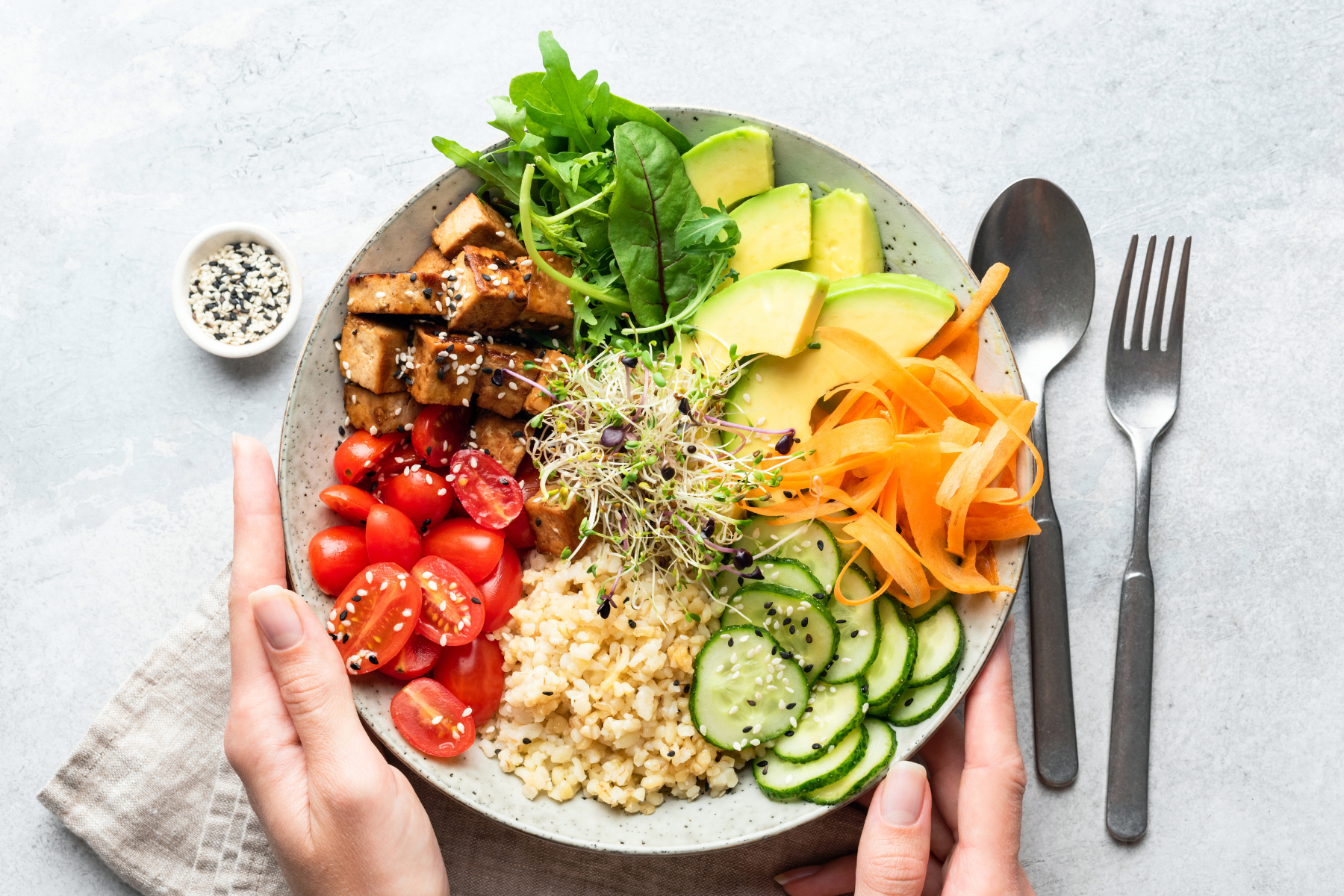
A filling meal keeps you full for 4 hours or more. It helps you stop thinking about food for at least 3 of those hours. It can even be filling without going over your calorie needs! When many of our clients are asked which meal is most satisfying, they say “Chipotle.”
This makes sense; Chipotle is doing a lot of things right when it comes to making satisfying meals. Their meals all include a lean protein source, a fiber-rich source (beans), fats (guacamole, cheese, sour cream), and whole grains (tortilla & brown rice). Let’s explore how we can build something like this at home with less sodium and fewer overall calories. Sound like a dream? We know.
A filling meal consists of 4 main components:
Avocado Pesto Chicken wrap with 4 oz grilled chicken, a whole wheat tortilla, 1-2 cups spinach/romaine lettuce, 1/2 avocado, sprouts, pesto & a side of steamed broccoli. Here’s how it fits the 4 components:
Protein = chicken
Whole grain = tortilla
Fiber = avocado, tortilla, sprouts, & broccoli
Healthy fats = avocado & pesto
Berry Delicious Oatmeal. (Oatmeal is one of those meals that tends to leave us hungry soon after, and that’s because it usually doesn’t have enough protein or fat with it!) Here’s how we dietitians make oatmeal: 1/2 cup rolled oats (not quick oats), 1 cup water (heat these together first for 2 minutes, then add toppings), 1 tbsp peanut/almond butter, 1-2 tsp pure maple syrup, 1 cup frozen berries, 2 scoops collagen powder & 1 tbsp chia/flaxseed (optional). Here’s how it fits the 4 components:
Protein = collagen powder & almond/peanut butter
Whole grain = oats
Fiber = berries & chia/flaxseed
Healthy fats = almond/peanut butter & chia/flaxseed
Homemade Burrito Bowl (That’s right, you can make Chipotle at home!) made with 1/2-1 cup sauteed tofu (mix with chipotle peppers & taco seasoning for flavor), 1/2 cup sauteed bell peppers & onions, 1/4 cup beans, 1/2 brown rice, 1/2 avocado, & 1/2 cup salsa. Here’s how it fits the 4 components:
Protein = tofu & beans
Whole grain = brown rice
Fiber = tofu, beans, rice, avocado & peppers (this is a high fiber meal! Maybe why you feel so full after eating Chipotle.)
Healthy fats = avocado & olive oil used for sauteing
Okay, as dietitians, we see many people stating that they eat healthily but live on unbalanced meals. They wonder why they’re hungry all the time or why they constantly have cravings. Balancing meals will help with both of those things! It can also help improve sleep, mood, migraines, and more! Here are some things not to do when it comes to making meals:
Anyway, we’d love to know if you found these tips helpful! Let us know by emailing [email protected].
Last updated: February 5, 2026
AZ Dietitians offers in-person and virtual appointments for Arizona clients. Now offering telehealth services for clients in Colorado, Utah, and California.
Have you recently had your gallbladder removed, or are you preparing for surgery? You might be wondering how this will...
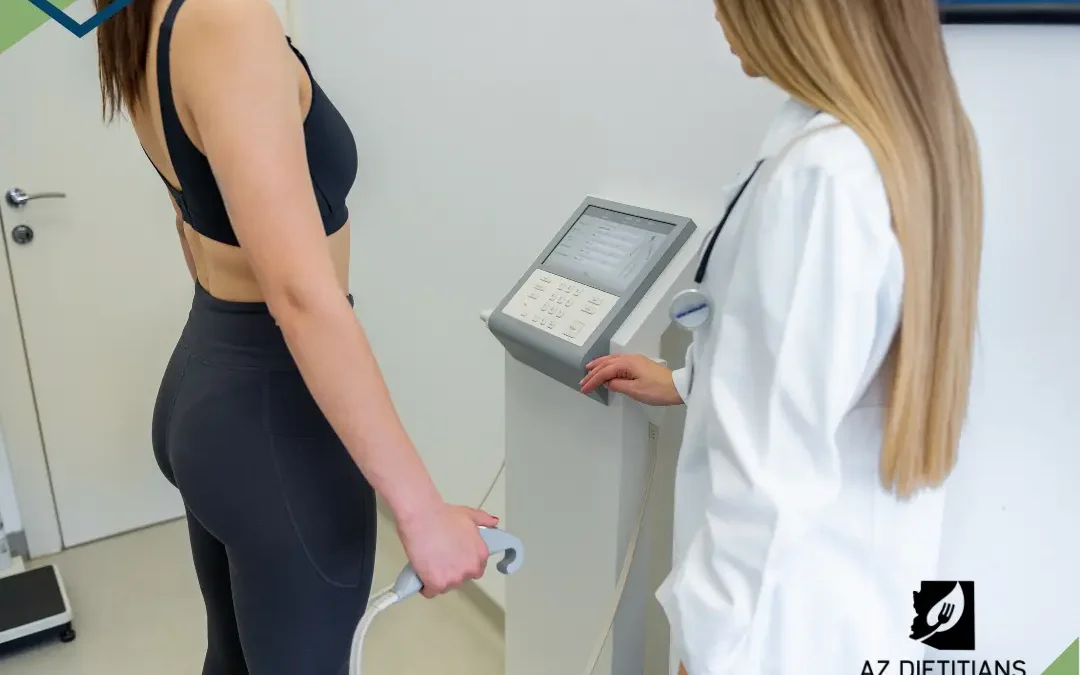
Weight management is an important part of overall health but the truth is, body composition matters more than the numbers on the scale.
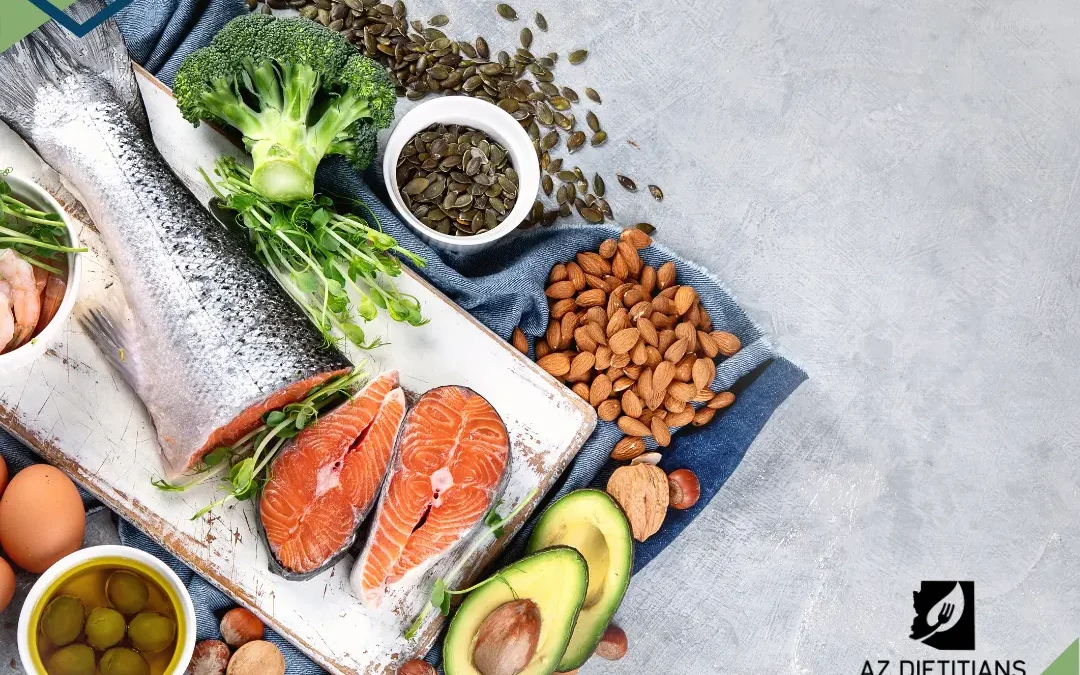
Omega-3 fatty acids are essential nutrients that can support overall health and well-being. Learn about their benefits and get practical tips from our Registered Dietitians for adding more omega-3-rich foods to your daily diet.
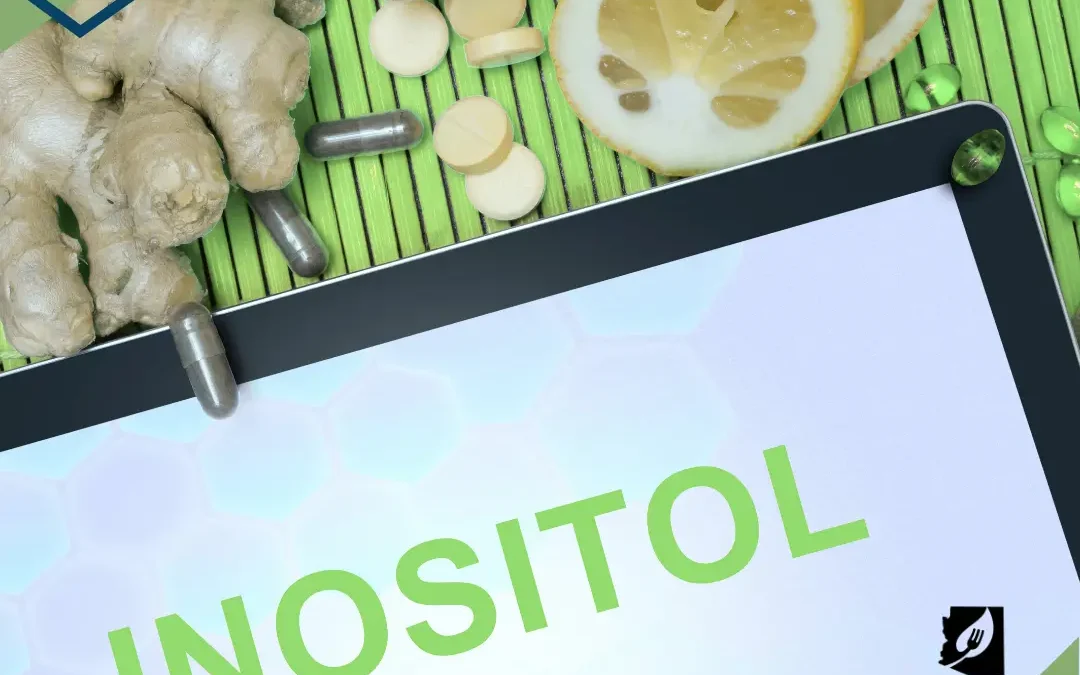
What is PMOS, and can inositol supplementation help? Learn about PMOS, the role of inositol, and how supplementation may help support symptom management and overall well-being.