Retatrutide Peptide
You've probably already heard of GLP-1 medications like Ozempic taking over the market. However, there is a new and...

Last updated: February 5, 2026
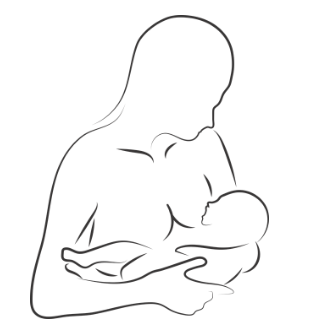
There are so many benefits for you, your baby, and your pockets if you choose to breastfeed your baby. For the mom, breastfeeding is linked to decreased risk of breast and ovarian cancers, diabetes, and postpartum depression. For the baby, they gain an increased immune system, less risk for allergies and skin issues, less chance of SIDS, and improved digestion. If these aren’t enough reasons to give it a try, breastfeeding can save your pockets up to $4,000 a year. It is recommended to breastfeed exclusively for the first six months of the baby’s life.
With all these benefits, why does it seem like breastfeeding is occurring less over the years? Long gone are the days where women stayed at home and solely cared for their kids. There are more working moms and busy schedules to keep up with, especially if there is more than one kid or only one parent in the household.
Unfortunately, with these revolutionary times, some workplace settings are still stuck in old traditions. It can be hard to find time to pump in between work schedules, family leave isn’t long enough, and work pressures can result in less milk production. Outside of work, sometimes breastfeeding specialists aren’t covered by insurance, milk production is low, or there are underlying issues with the baby that prevent latching or create an unpleasant experience for the mom and baby.
There are many reasons that may prevent a successful breastfeeding journey, but there are some ways to prepare for any problems that arise during this time.
Take time to answer these questions with yourself or with loved ones. Sometimes, only the baby is considered when deciding to formula feed or breastfeed. But, as the mom and the person producing the milk, you are just as important in this decision.
Some of these questions, like having enough energy, can be supported with the right diet. A growing baby needs lots of nutrients and eats many times throughout the day. For the breastfeeding mom, the extra baby weight acquired during pregnancy helps produce milk. As the weight begins to fall off, an extra 500-600 calories a day and around 20 grams of protein are recommended to support this growing baby. This could be a peanut butter and jelly sandwich with a glass of milk or an extra serving with lunch and dinner.
Here are some tips for daily eating habits:
If you are ready to breastfeed or are breastfeeding and struggling, contact a Registered Dietitian Nutritionist at AZ Dietitians to support you and your baby during this amazing journey.
Adapted from eatright.org and chop.edu
Last updated: February 5, 2026
AZ Dietitians offers in-person and virtual appointments for Arizona clients. Now offering telehealth services for clients in Colorado, Utah, and California.
You've probably already heard of GLP-1 medications like Ozempic taking over the market. However, there is a new and...

Fasting can affect women differently depending on factors like age, activity level, hormonal health, and reproductive status. Learn what research says about intermittent fasting, PCOS, menstrual health, bone density, and more.

Could the ultra-processed foods you eat regularly be affecting your brain health? Learn about the potential connections between ultra-processed foods, memory, mood, inflammation, and cognitive health, along with simple ways to make more nutritious choices.

Wondering what to eat after gallbladder removal? Learn how your diet may need to change after surgery and get practical tips for supporting digestion as your body adjusts.