Eating After Gallbladder Removal: What You Should Know
Have you recently had your gallbladder removed, or are you preparing for surgery? You might be wondering how this will...

Last updated: February 5, 2026
Most people know diet and exercise influence weight loss … but do you know that stress and weight loss are also connected? Stress can lead to accumulation of visceral fat, preference for high-sugar and high-fat foods and can affect hormone levels.
High stress levels increase cortisol which may increase abdominal fat, the risk of developing Type 2 Diabetes, Hypertension, Dyslipidemia, and Cardiovascular disease. During stressful times, your hunger and fullness hormones are out of balance. This can lead to a lower satiating effect of foods and consumption of high-sugar and high-fat foods. Research has shown that consuming comfort foods as a response to stress activates the brain reward system and encourages people to continue to consume these foods to cope with stress.
Someone who is stressed will have a difficult time being successful in losing weight. At AZ Dietitians, we specialize in all areas of health and wellness, including weight management. Simply contact us today to schedule an appointment and we can work together to find YOUR optimal health solution.
Last updated: February 5, 2026
AZ Dietitians offers in-person and virtual appointments for Arizona clients. Now offering telehealth services for clients in Colorado, Utah, and California.
Have you recently had your gallbladder removed, or are you preparing for surgery? You might be wondering how this will...

Weight management is an important part of overall health but the truth is, body composition matters more than the numbers on the scale.
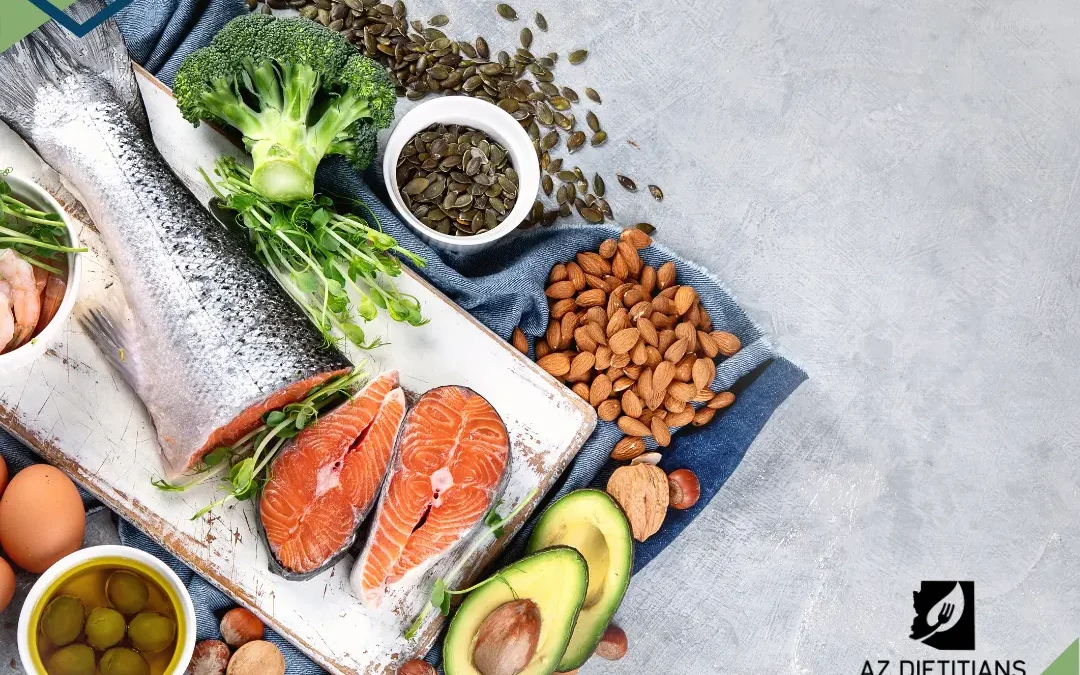
Omega-3 fatty acids are essential nutrients that can support overall health and well-being. Learn about their benefits and get practical tips from our Registered Dietitians for adding more omega-3-rich foods to your daily diet.
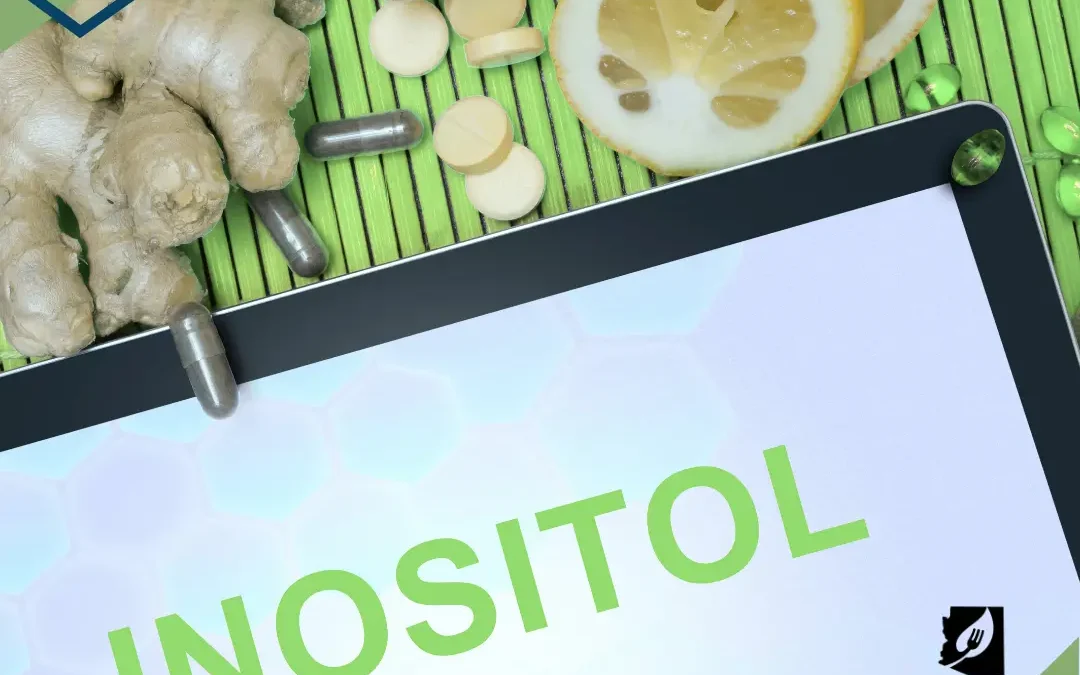
What is PMOS, and can inositol supplementation help? Learn about PMOS, the role of inositol, and how supplementation may help support symptom management and overall well-being.