Retatrutide Peptide
You've probably already heard of GLP-1 medications like Ozempic taking over the market. However, there is a new and...

Last updated: February 5, 2026
 More than 3.5 million people in the U.S. are living with Autism. Over the years, more research has been done on how diet can correlate with it. Studies have shown that people with Autism have abnormal immune responses to foods that contain gluten, casein, and sometimes soy.
For example, a study of 150 children with Autism found that 87% had sensitivity to gluten and 90% had sensitivity to casein which is found in dairy products. Children who followed a gluten and casein free diet displayed improvements in eye contact, learning skills, hyperactivity, panic attacks, communication, and social interaction. This may be due to children with Autism having deficiencies in the digestive enzymes required to break these foods down and could benefit from taking digestive enzymes. More research is needed to confirm this.
People with Autism tend to be sensitive to taste, smell, color and texture of foods and may have limited foods they enjoy eating. This may result in a diet that is missing essential nutrients. Studies have shown that supplementing with omega 3-fatty acids, vitamins & minerals can help provide nutrients that may be missing and improve communication, daily living skills, and social skills.
It is recommended people with Autism follow these Guidelines:
At AZ Dietitians, we specialize in helping all individuals follow a nutrition plan personalized for their specific needs that will lead to optimal wellness. Simply contact us today to schedule an appointment.
Information adapted from https://www.nccih.nih.gov/,
Last updated: February 5, 2026
AZ Dietitians offers in-person and virtual appointments for Arizona clients. Now offering telehealth services for clients in Colorado, Utah, and California.
You've probably already heard of GLP-1 medications like Ozempic taking over the market. However, there is a new and...

Fasting can affect women differently depending on factors like age, activity level, hormonal health, and reproductive status. Learn what research says about intermittent fasting, PCOS, menstrual health, bone density, and more.
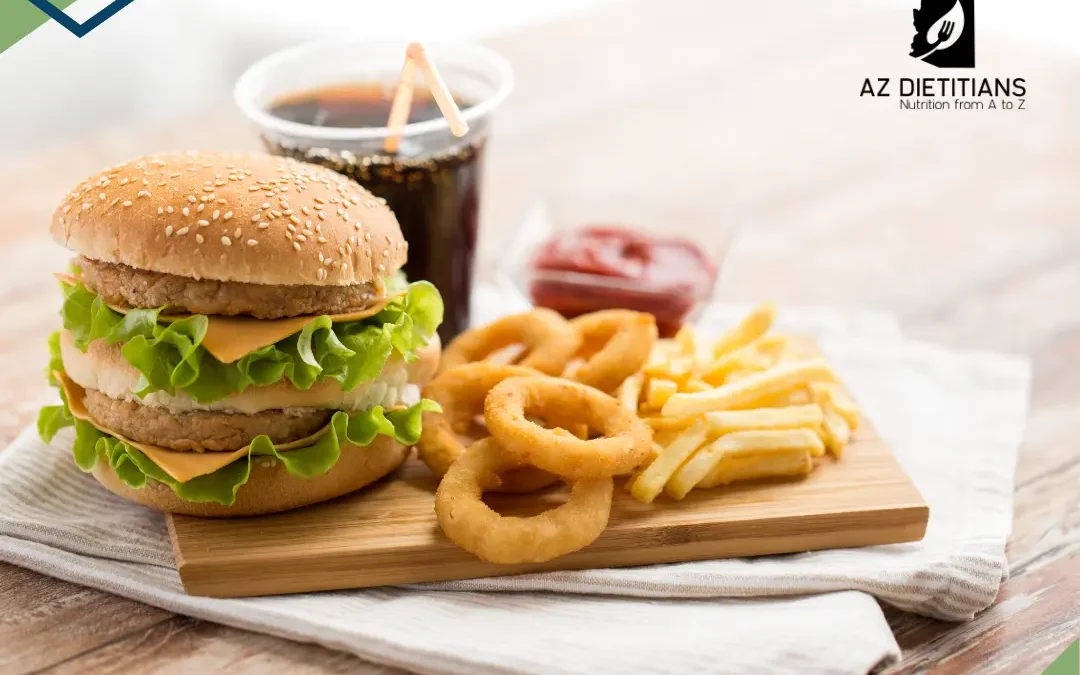
Could the ultra-processed foods you eat regularly be affecting your brain health? Learn about the potential connections between ultra-processed foods, memory, mood, inflammation, and cognitive health, along with simple ways to make more nutritious choices.

Wondering what to eat after gallbladder removal? Learn how your diet may need to change after surgery and get practical tips for supporting digestion as your body adjusts.