Retatrutide Peptide
You've probably already heard of GLP-1 medications like Ozempic taking over the market. However, there is a new and...

Last updated: February 5, 2026
Created by: Gabrielle Forman, Dietetic Intern
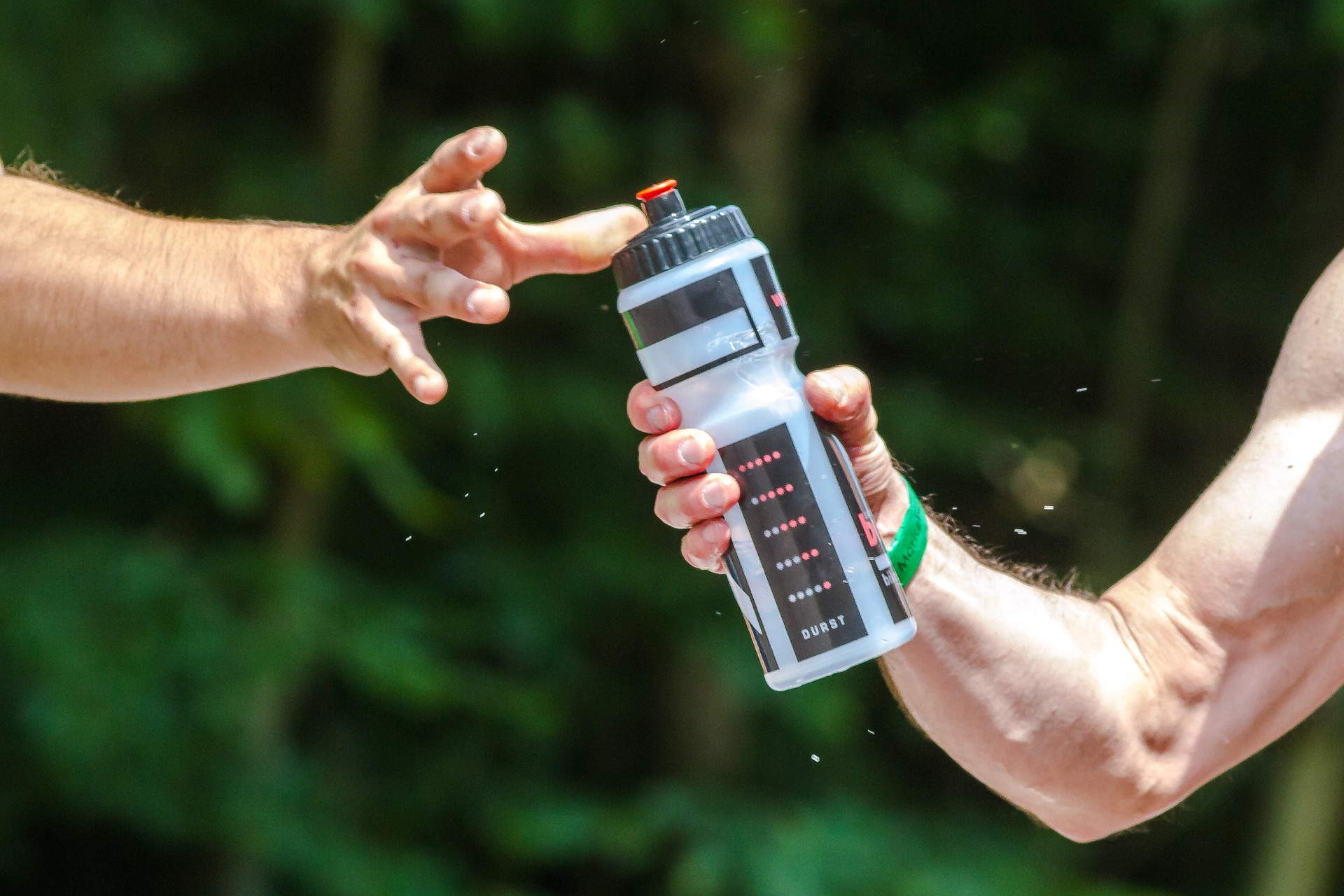
While it is important to keep our bodies properly hydrated year-round, it is especially important to stay hydrated during the hot summer months. This is the time of year when we require more hydration due to increased perspiration.
Water is the best beverage to drink when you want to stay hydrated. Foods like fruits and vegetables contain high amounts of water that can also help with hydration. Caffeinated beverages including tea and coffee can contribute to dehydration as they act as diuretics and promote frequent urination. Sports drinks and juices are another form of hydration but are oftentimes loaded with sugar and extra calories.
Fluid needs vary from person to person. A good estimation of fluid needs is to multiply 30-35mL of fluid per kilogram of body weight.
Note: Kilograms are determined by dividing your weight in pounds by 2.2
Many people believe that thirst is the best indicator for when the body needs to hydrate, but this is a sign that the body is already dehydrated. A simple indicator that is used to determine hydration status is urine color. If your urine is clear or lemonade colored the first thing in the morning, then your body is properly hydrated. If you notice that your urine is darker in color than lemonade, then you are dehydrated.
Material adapted from The Academy of Nutrition and Dietetics, eatright.org
Last updated: February 5, 2026
AZ Dietitians offers in-person and virtual appointments for Arizona clients. Now offering telehealth services for clients in Colorado, Utah, and California.
You've probably already heard of GLP-1 medications like Ozempic taking over the market. However, there is a new and...

Fasting can affect women differently depending on factors like age, activity level, hormonal health, and reproductive status. Learn what research says about intermittent fasting, PCOS, menstrual health, bone density, and more.
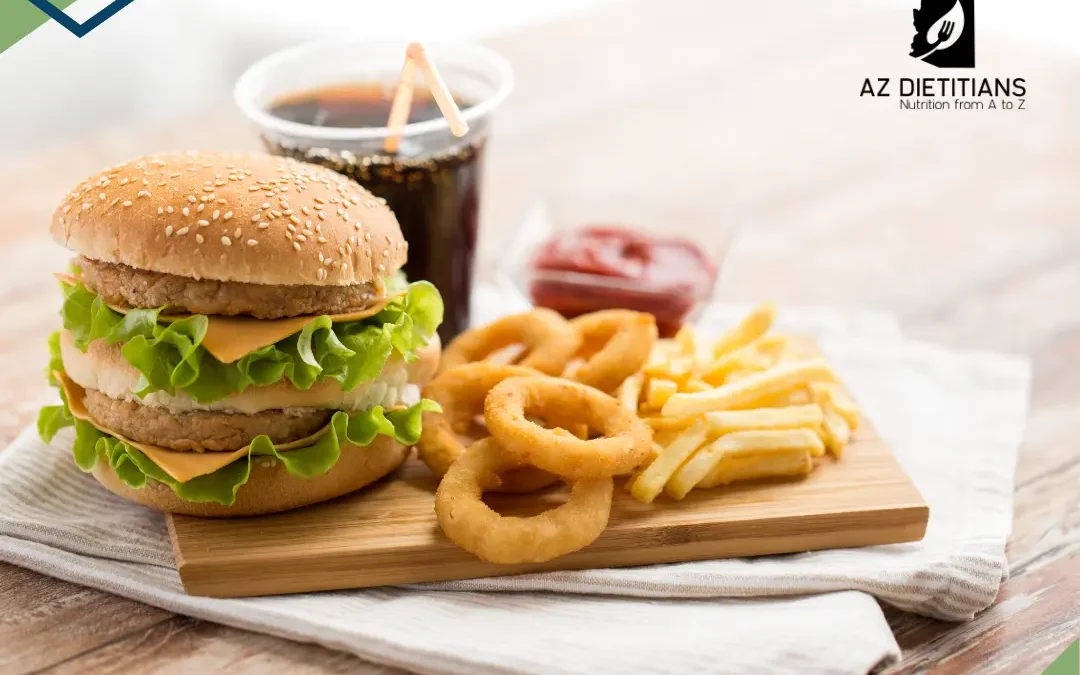
Could the ultra-processed foods you eat regularly be affecting your brain health? Learn about the potential connections between ultra-processed foods, memory, mood, inflammation, and cognitive health, along with simple ways to make more nutritious choices.
Wondering what to eat after gallbladder removal? Learn how your diet may need to change after surgery and get practical tips for supporting digestion as your body adjusts.