Retatrutide Peptide
You've probably already heard of GLP-1 medications like Ozempic taking over the market. However, there is a new and...

Last updated: February 5, 2026
Potassium is one of the three main electrolytes and third most abundant mineral in the body. It’s function is to assist in maintaining fluid balance. It also plays a role in heart and muscle contractions and supporting the nervous system.
Most individuals do not meet the adequate intake, AI, for potassium. The current AI is 4,700 milligrams for adults and 5,1000 for women who are pregnant or breastfeeding. Meeting these guidelines is important for optimal health and may lower the risk of cardiovascular disease, kidney stones, and bone loss.
As stated before, most Americans do not meet the AI for potassium. Signs of deficiency include excess sweating, diarrhea, vomiting, and kidney complications. If deficiency becomes severe, muscle spasm, irregular heartbeat and weakness may occur. If any of these symptoms present, it is vital to seek medical care. Populations most at risk for deficiency are older adults, African Americans, or individuals who have kidney disease.
There are many ways to get potassium in the diet, aside from reaching for an electrolyte beverage. Eating a well balanced diet rich in whole grains, fruits, vegetables and legumes promotes dietary intake of this essential mineral.
Dietary Sources of Potassium:
Potassium is an important mineral for cardiovascular health and incorporating potassium-rich foods in the diet may decrease your risk for stroke, hypertension, and kidney stones. If you are struggling with getting adequate amounts in your diet, please contact our office and schedule a consultation with one of our registered dietitians.
Written by: Lexi Nazzaro, Dietetic Intern Sources: Material adapted from The Academy of Nutrition and Dietetics, Food & Nutrition Magazine (May/June 2018)
Last updated: February 5, 2026
AZ Dietitians offers in-person and virtual appointments for Arizona clients. Now offering telehealth services for clients in Colorado, Utah, and California.
You've probably already heard of GLP-1 medications like Ozempic taking over the market. However, there is a new and...
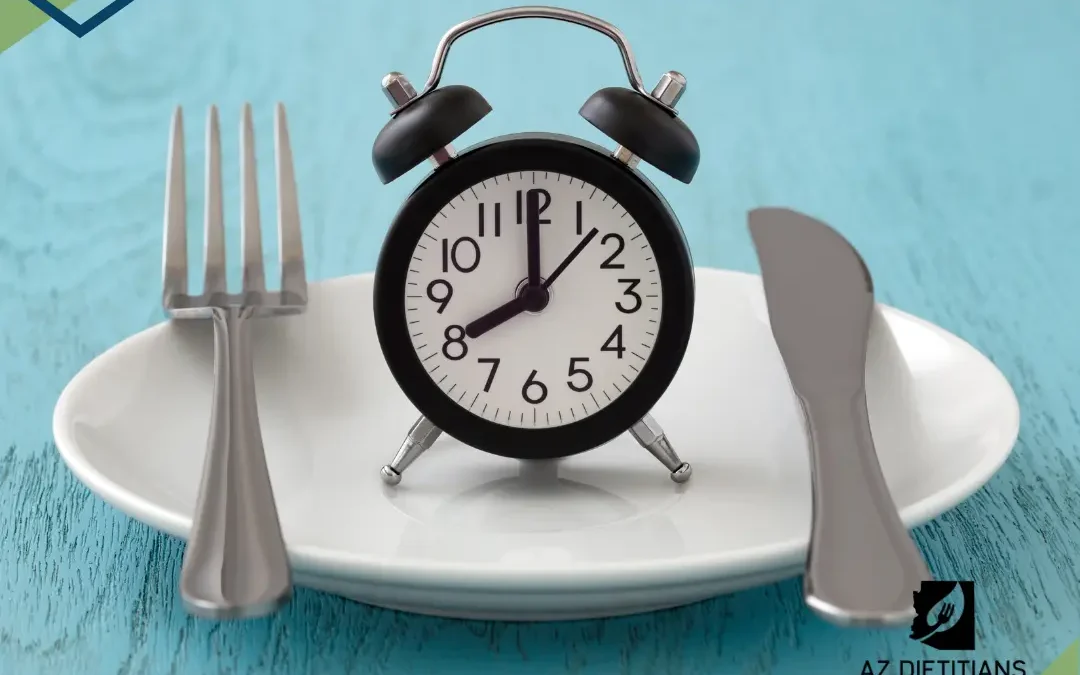
Fasting can affect women differently depending on factors like age, activity level, hormonal health, and reproductive status. Learn what research says about intermittent fasting, PCOS, menstrual health, bone density, and more.
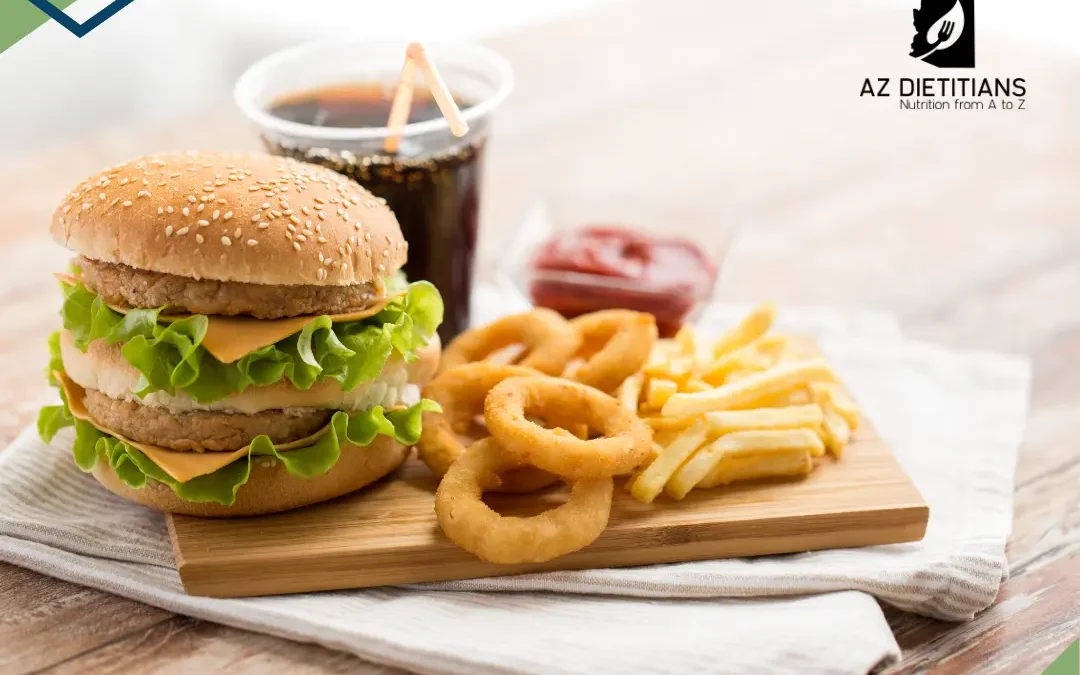
Could the ultra-processed foods you eat regularly be affecting your brain health? Learn about the potential connections between ultra-processed foods, memory, mood, inflammation, and cognitive health, along with simple ways to make more nutritious choices.

Wondering what to eat after gallbladder removal? Learn how your diet may need to change after surgery and get practical tips for supporting digestion as your body adjusts.