Retatrutide Peptide
You've probably already heard of GLP-1 medications like Ozempic taking over the market. However, there is a new and...

Last updated: February 5, 2026
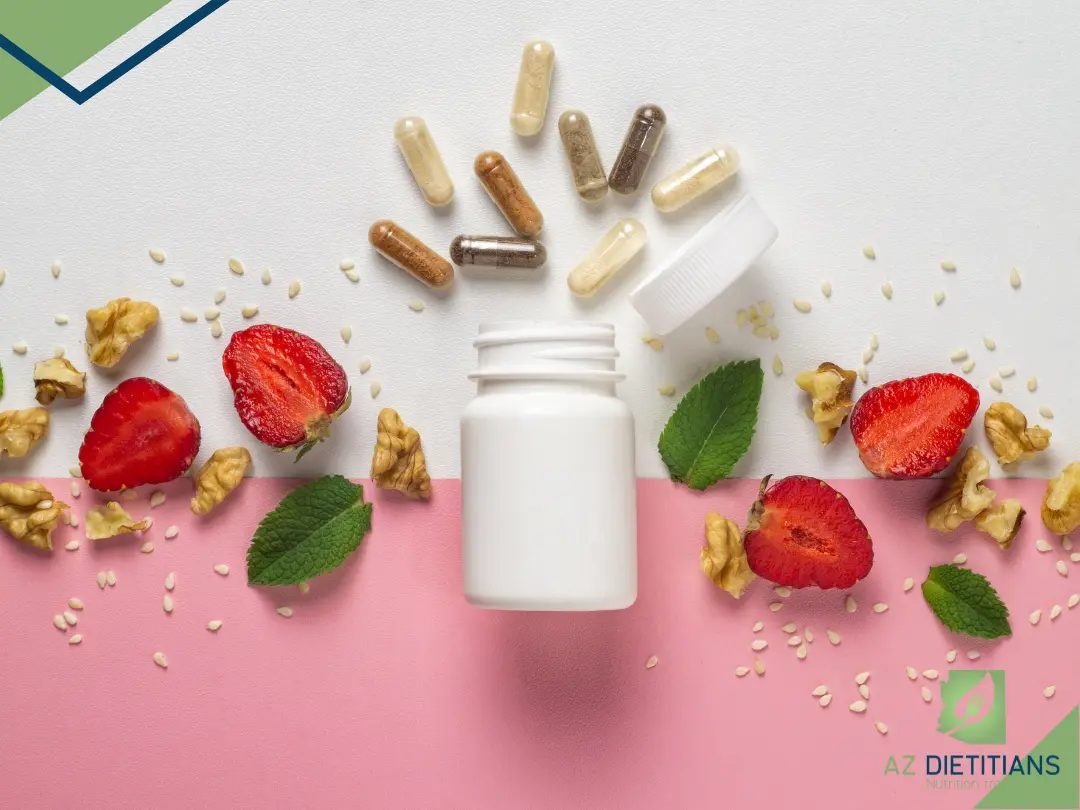
In the U.S., nearly half of adults take at least one prescription medication, and more than half also report using dietary supplements. From multivitamins to herbal teas, supplements are often seen as “natural” and therefore safe. But natural doesn’t always mean harmless, especially when supplements are combined with prescription or over-the-counter medications.
The truth is that supplements can interact with medications in ways that may reduce a drug’s effectiveness, intensify its side effects, or even cause serious harm. Being aware of and understanding these interactions is crucial to ensuring your treatment plan supports your health rather than working against it.
Medications and supplements are both processed by the body through complex pathways involving the digestive system, liver, and kidneys. When a supplement alters these processes, it can change how much of a medication gets absorbed, how quickly it’s broken down, or how effectively it works on the target tissue or organ system.
Some supplements also mimic or interfere with the body’s natural functions. For example, herbal remedies that thin the blood, such as ginger or aloe, can amplify the effect of prescribed blood thinners like aspirin or warfarin, which raises the risk of both dangerous internal and external bleeding. Others may raise blood pressure, overstimulate the immune system, or change how hormones are metabolized.
While not every supplement causes problems, several have well-documented interactions with common medications:
Often used for mild depression, this herbal supplement speeds up the liver’s breakdown of many drugs. It is considered to have a high risk of drug interactions as it can reduce the effectiveness of antidepressants, birth control pills, heart medications, and even some cancer treatments.
Popular for memory and cognitive support, ginkgo can increase bleeding risk when combined with blood thinners such as warfarin, aspirin, or clopidogrel.
Both are important nutrients, but they can interfere with how certain medications are absorbed. Calcium and iron supplementation, as well as coffee, soy, and fiber, can reduce the absorption of thyroid hormone replacement like levothyroxine. Some antibiotics may also not be as effective when taken with supplements.
Found in leafy greens and supplements, vitamin K directly counteracts the effects of warfarin, a commonly prescribed blood thinner. This doesn’t mean you can’t eat vegetables, but it does mean your intake should be consistent, and your doctor may adjust your dose accordingly.
Generally safe, but in large doses, they may slow the absorption of certain medications or displace other nutrients if taken at the same time. Timing your supplement and medication doses can make a big difference.
Interactions between medications and supplements can have real consequences. For example, someone relying on birth control pills may find them less effective if also taking St. John’s Wort. A patient on blood thinners could face severe internal bleeding if they add ginkgo biloba to their routine.
Older adults and people with chronic conditions are at particularly high risk since they often take multiple prescriptions and multiple supplements. Even a basic multivitamin or herbal tea can interact with medication in ways most people wouldn’t expect.
The good news is that supplement–drug interactions are preventable with the right approach.
Supplements can play a valuable role in supporting health, but they aren’t risk-free, especially when combined with prescription medications. The safest strategy is to treat supplements with the same level of care as medications. Always loop in your healthcare team, keep track of what you’re taking, and ask before starting something new.
By staying informed and proactive, you can make sure your medications and supplements work together, not against each other, to protect your health.
References
Abebe W. (2019). Review of herbal medications with the potential to cause bleeding: dental implications, and risk prediction and prevention avenues. The EPMA journal, 10(1), 51–64. https://doi.org/10.1007/s13167-018-0158-2
Asher, G. N., Corbett, A. H., & Hawke, R. L. (2017). Common herbal dietary supplement–drug interactions. American family physician, 96(2), 101-107. https://www.aafp.org/pubs/afp/issues/2017/0715/p101.html
Dores, A. R., Peixoto, M., Castro, M., Sá, C., Carvalho, I. P., Martins, A., Maia, E., Praça, I., & Marques, A. (2023). Knowledge and beliefs about herb/supplement consumption and herb/supplement–drug interactions among the general population, including healthcare professionals and pharmacists: A systematic review and guidelines for a smart decision system. Nutrients, 15(10), 2298. https://doi.org/10.3390/nu15102298
National Center for Complementary and Integrative Health. (2025). Some medication-supplement interactions can be serious. In Know the science: How medications and supplements can interact. U.S. Department of Health and Human Services. Retrieved from https://www.nccih.nih.gov/health/know-science/how-medications-and-supplements-can-interact/some-medication-supplement-interactions-can-be-serious
Wiesner, A., Gajewska, D., & Paśko, P. (2021). Levothyroxine interactions with food and dietary supplements – A systematic review. Pharmaceuticals, 14(3), 206. https://doi.org/10.3390/ph14030206
Last updated: February 5, 2026
AZ Dietitians offers in-person and virtual appointments for Arizona clients. Now offering telehealth services for clients in Colorado, Utah, and California.
You've probably already heard of GLP-1 medications like Ozempic taking over the market. However, there is a new and...
Fasting can affect women differently depending on factors like age, activity level, hormonal health, and reproductive status. Learn what research says about intermittent fasting, PCOS, menstrual health, bone density, and more.
Could the ultra-processed foods you eat regularly be affecting your brain health? Learn about the potential connections between ultra-processed foods, memory, mood, inflammation, and cognitive health, along with simple ways to make more nutritious choices.

Wondering what to eat after gallbladder removal? Learn how your diet may need to change after surgery and get practical tips for supporting digestion as your body adjusts.