Retatrutide Peptide
You've probably already heard of GLP-1 medications like Ozempic taking over the market. However, there is a new and...

Last updated: February 5, 2026
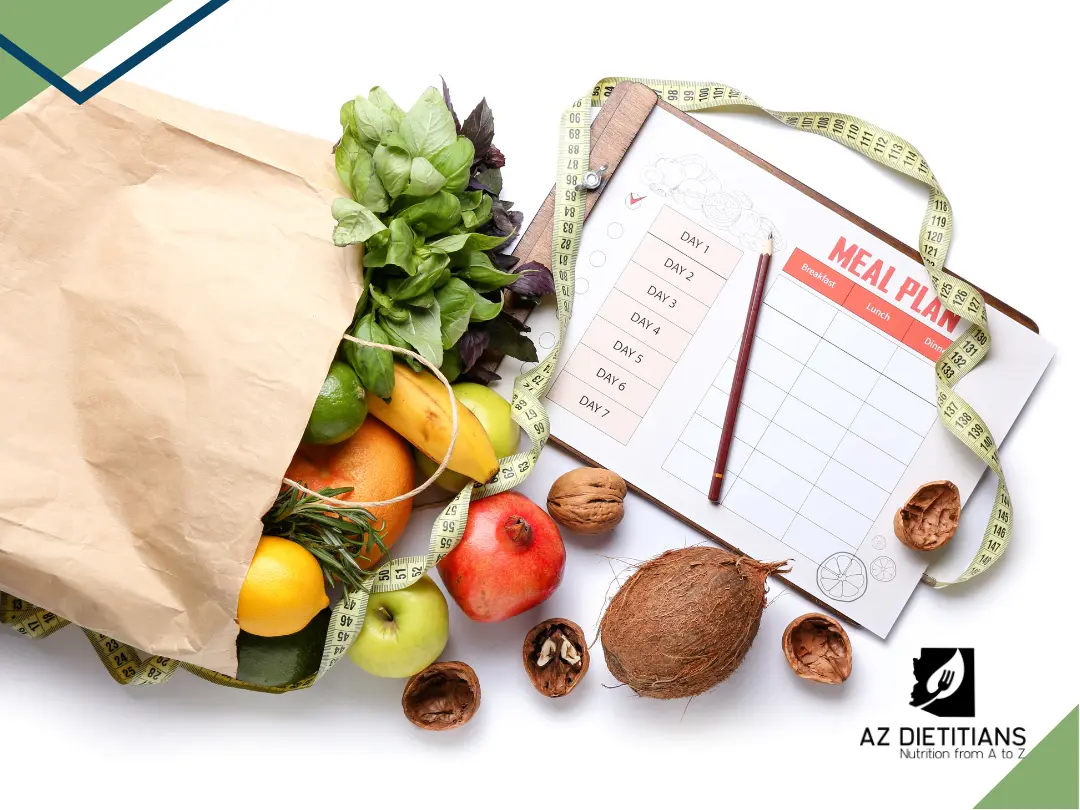
In today’s world, it can feel like healthy eating comes with a hefty price tag. Between rising grocery costs and busy schedules, meal planning might sound like just another chore. But here’s the truth: planning your meals is one of the most effective ways to save money and eat better. With a little strategy, you can nourish your body without breaking the bank.
Impulse grocery trips are dangerous for a budget. Start by planning out your meals for the week. Check what you already have on hand because you might already have things for a meal. Then, create a list of what you’ll need. Having a list will help you cut back on unnecessary purchases at the store.
Whole grains, beans, frozen fruits/veggies, and eggs are budget-friendly and versatile. These can be made into many meal variations like stir fries, grain bowls, and sheet pan meals. Just pair with a protein like chicken or beef and you’re all set. Buying in bulk or choosing store-brand options can help you save money. You can also opt for frozen meat so you can keep it for longer before cooking it.
Batch cooking and meal prepping is a cheat code for time and cost. Preparing larger portions of your meals means you’ll have leftovers for the week. Not only does this save you time from cooking each day, it also reduces the urge to stop at that drive-thru on your way home from work because you already have something to pop in the microwave when you get home.
Look for sales, discounts, and coupons before going to the store. Many stores also have apps for loyalty points, discounts, and rewards–these small savings can add up! Looking into supplemental assistance programs like SNAP (1) can be beneficial too.
A big part of budgeting is making sure you actually use what you buy. Food waste can cost the average household hundreds per year. Store your food correctly and make sure to have storage containers handy. Remember, leftovers don’t have to be boring!
Eating well on a budget is about intention. When you take time to plan, shop smart, and make the most of what you buy, you’re saving money and reducing stress. Start small, plan a few meals, make your grocery list, and see how it feels. Your wallet, your health, and your future self will thank you.
References:
Meal Planning, Shopping, and Budgeting. SNAP Education Connection. https://snaped.fns.usda.gov/resources/nutrition-education-materials/meal-planning-shopping-and-budgeting
Last updated: February 5, 2026
AZ Dietitians offers in-person and virtual appointments for Arizona clients. Now offering telehealth services for clients in Colorado, Utah, and California.
You've probably already heard of GLP-1 medications like Ozempic taking over the market. However, there is a new and...
Fasting can affect women differently depending on factors like age, activity level, hormonal health, and reproductive status. Learn what research says about intermittent fasting, PCOS, menstrual health, bone density, and more.
Could the ultra-processed foods you eat regularly be affecting your brain health? Learn about the potential connections between ultra-processed foods, memory, mood, inflammation, and cognitive health, along with simple ways to make more nutritious choices.

Wondering what to eat after gallbladder removal? Learn how your diet may need to change after surgery and get practical tips for supporting digestion as your body adjusts.