Retatrutide Peptide
You've probably already heard of GLP-1 medications like Ozempic taking over the market. However, there is a new and...

Last updated: February 5, 2026
Created by: Kristen Carli, Dietetic Intern
Research shows that vegetarians have lower blood pressure, lower cholesterol, and lower instances of diabetes and cancer. They do not simply omit meat from their diets, but instead increase their intake of fruits, vegetables, whole grains, and legumes. All of these plant-based foods have many other nutrients that benefit our health, such as fiber, vitamins, minerals, antioxidants, phytonutrients, etc.
You do not need to go completely vegetarian to reap these benefits. Try to incorporate a few meatless meals per week. You’d be surprised at how easy it actually is! In fact, you may already be eating some vegetarian meals without even realizing it.
So, where do you get your protein? This is the first question most people ask when someone describes a vegetarian diet. You would be surprised to find out that many plant-based foods have protein in them. Not just tofu! Some common sources of plant-based protein are beans, lentils, nuts, nut butters, seeds, hummus, and even broccoli!
Read through the following tips to incorporate more vegetarian meals into your diet.
Material adapted from pcrm.org
Last updated: February 5, 2026
AZ Dietitians offers in-person and virtual appointments for Arizona clients. Now offering telehealth services for clients in Colorado, Utah, and California.
You've probably already heard of GLP-1 medications like Ozempic taking over the market. However, there is a new and...

Fasting can affect women differently depending on factors like age, activity level, hormonal health, and reproductive status. Learn what research says about intermittent fasting, PCOS, menstrual health, bone density, and more.
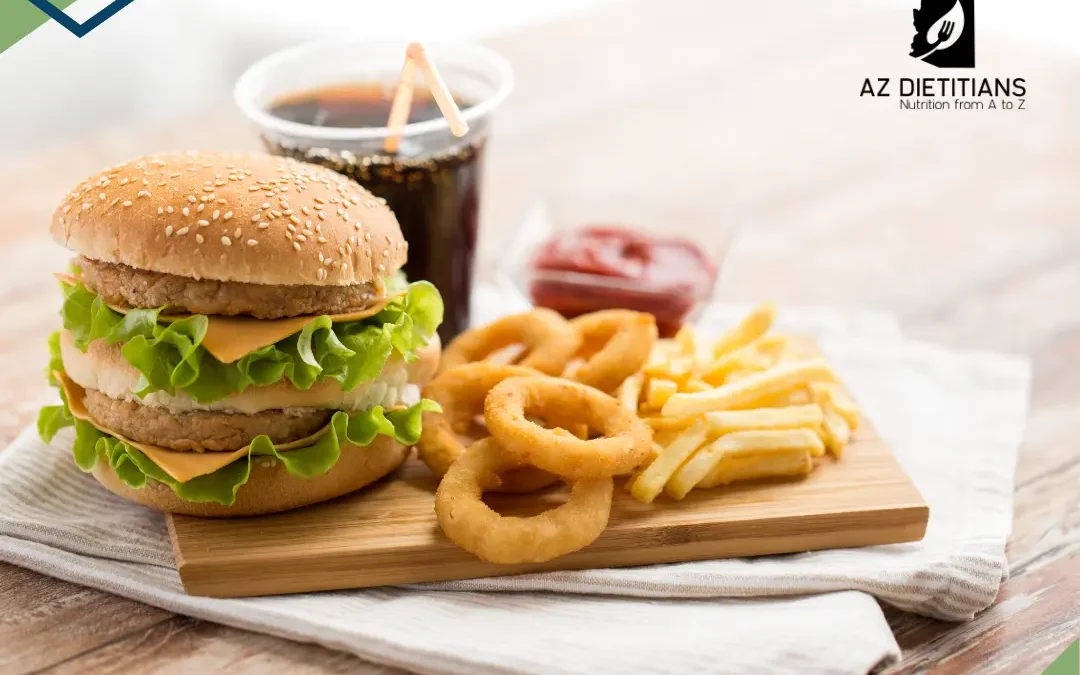
Could the ultra-processed foods you eat regularly be affecting your brain health? Learn about the potential connections between ultra-processed foods, memory, mood, inflammation, and cognitive health, along with simple ways to make more nutritious choices.

Wondering what to eat after gallbladder removal? Learn how your diet may need to change after surgery and get practical tips for supporting digestion as your body adjusts.