Retatrutide Peptide
You've probably already heard of GLP-1 medications like Ozempic taking over the market. However, there is a new and...

Last updated: February 5, 2026
Have you ever felt your cravings become overwhelming? Does this in turn lead to overindulgence and feelings of guilt? Food cravings can become more intense and lead to a vicious cycle of indulging, overeating, and guilt when people completely cut out groups of foods or follow restrictive diets. A balanced eating plan that allows foods you enjoy — even high-fat, high-calorie foods — will be easier to maintain since you aren’t eliminating those foods altogether from your life.
For example, if you sometimes crave chocolate, keep some dark chocolate on hand. Eat it mindfully, enjoy the experience and put it away when you’re satisfied. When you always have chocolate on hand, you’re less likely to overeat it.
Adapted from: eatright.org
Last updated: February 5, 2026
AZ Dietitians offers in-person and virtual appointments for Arizona clients. Now offering telehealth services for clients in Colorado, Utah, and California.
You've probably already heard of GLP-1 medications like Ozempic taking over the market. However, there is a new and...
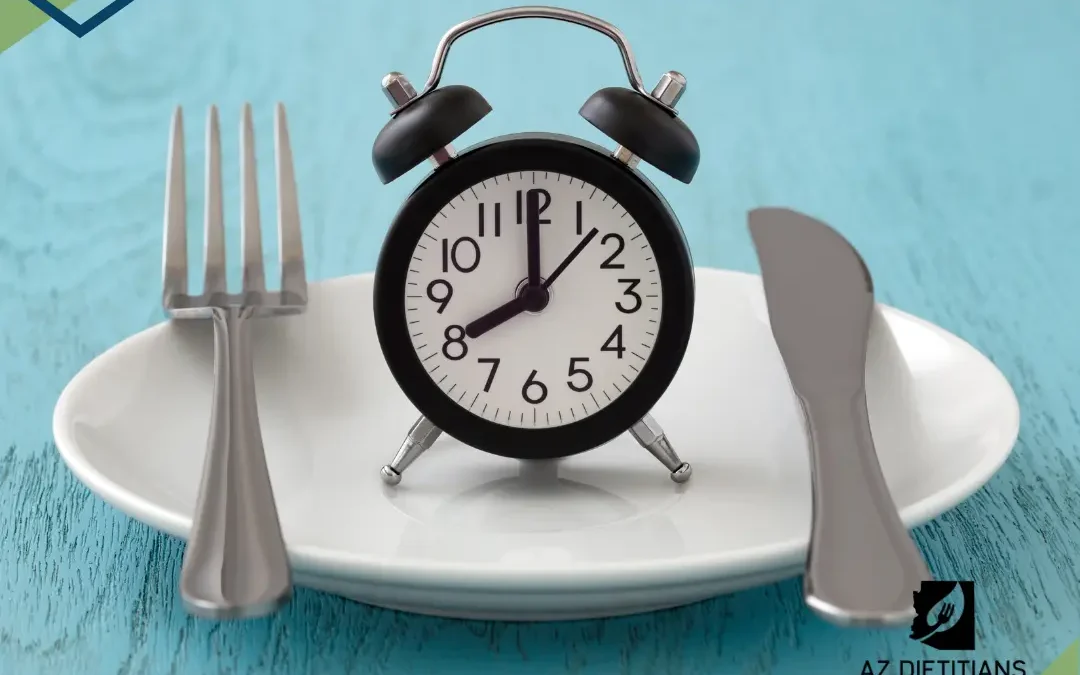
Fasting can affect women differently depending on factors like age, activity level, hormonal health, and reproductive status. Learn what research says about intermittent fasting, PCOS, menstrual health, bone density, and more.
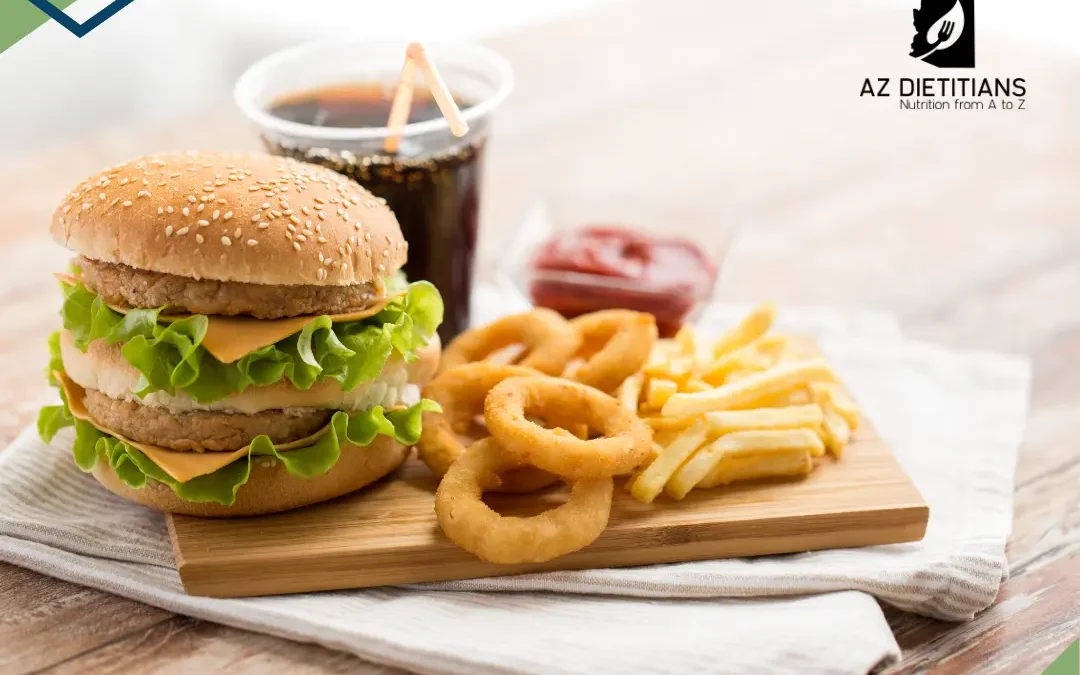
Could the ultra-processed foods you eat regularly be affecting your brain health? Learn about the potential connections between ultra-processed foods, memory, mood, inflammation, and cognitive health, along with simple ways to make more nutritious choices.
Wondering what to eat after gallbladder removal? Learn how your diet may need to change after surgery and get practical tips for supporting digestion as your body adjusts.