
Greens Powders vs. Eating Vegetables: Can a Scoop Replace Your Greens?
Greens powders have become a popular addition to smoothies, water bottles, and morning routines. Marketed as a...

Last updated: February 5, 2026
Here’s a question we dietitians get all the time from our clients, “How many carbs should I eat?”
Today we’re giving away some of our best information about carbohydrates! Keep reading to learn how many to eat, when to eat them, and how to eat them.
There is a lot of stigma around carbohydrates … Nowadays, we might even feel like we’re not eating “healthy” if we’re not on a low-carb diet.
Well, we’re here to set the record straight. People ate carbs as the majority of their intake for thousands of years without ever becoming overweight!
Carbohydrates are not the culprit behind weight gain. Overeating, in general, is. Whether we’re overeating carbs, protein, or fat, we will likely see weight gain.
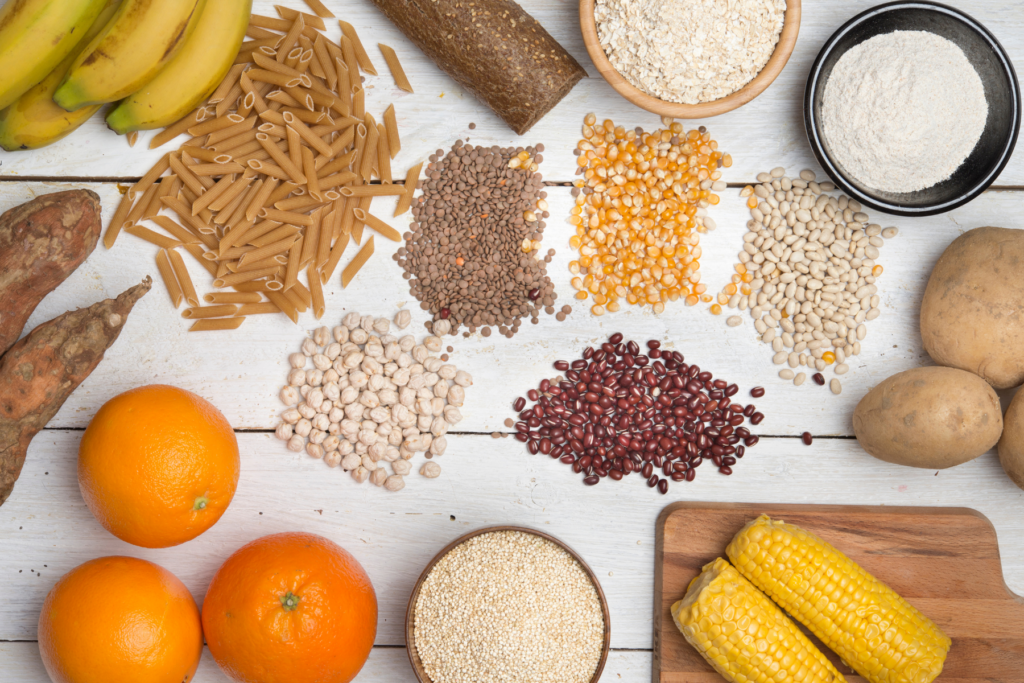
Carbohydrates are found in plant foods such as:
The amount you should eat depends on your size and your activity level. This is something that should be calculated specifically for you.
In general, most of us should be aiming for 45-65% of our calories from carbohydrates each day. (That is around half of your intake!)
We need carbs in each of our meals throughout the day to help balance our blood sugar and energy levels.
The key to eating carbohydrates and preventing cravings is to pair them with protein, fat, and fiber. Make an appointment with us to learn exactly how to eat carbs the best way for your body and goals!
Last updated: February 5, 2026
AZ Dietitians offers in-person and virtual appointments for Arizona clients. Now offering telehealth services for clients in Colorado, Utah, and California.
Greens powders have become a popular addition to smoothies, water bottles, and morning routines. Marketed as a...

Can the foods you eat help support your immune system? Discover how balanced nutrition, essential vitamins, protein, healthy fats, and gut-friendly foods contribute to immune health, plus simple habits you can incorporate into your daily routine.
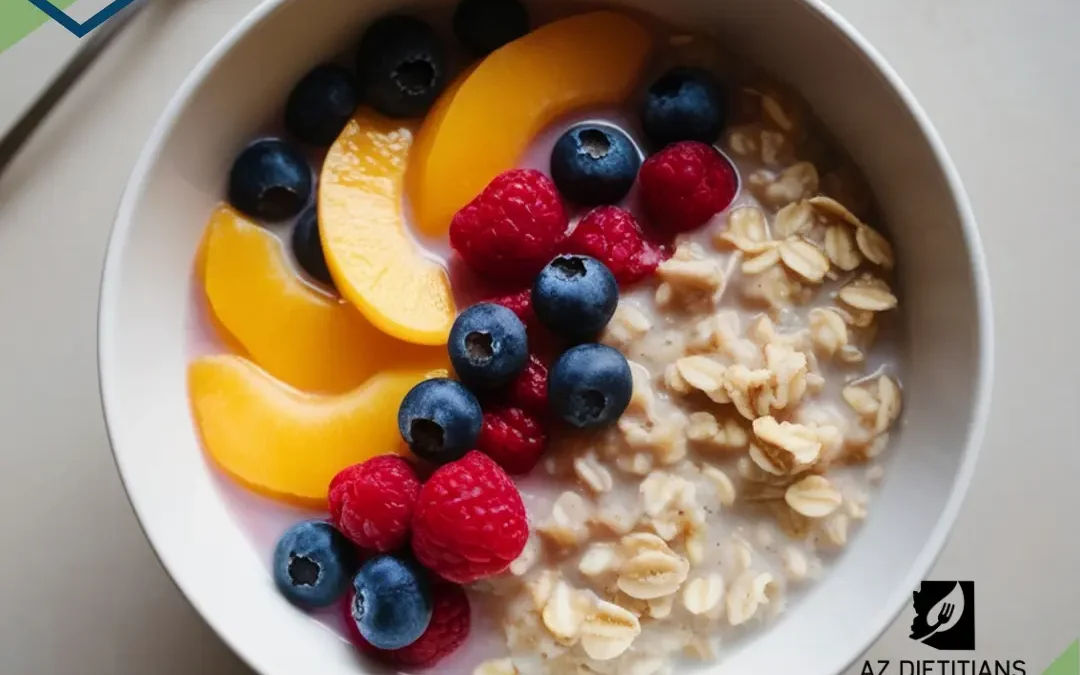
A balanced morning meal can help you meet your daily nutrient needs, support cognitive performance, and maintain steady energy and blood sugar levels. Discover the benefits of breakfast, simple ideas for building a nutritious morning meal, and how to make choices that support your individual health and nutrition goals.

Pumpkin is more than a seasonal favorite! Packed with vitamins, minerals, fiber, and beneficial plant compounds, pumpkin flesh, seeds, and oil offer a variety of nutritional benefits. Discover how pumpkin can support your overall wellness and explore simple ways to enjoy this versatile ingredient in your everyday meals.