Retatrutide Peptide
You've probably already heard of GLP-1 medications like Ozempic taking over the market. However, there is a new and...


Last updated: February 5, 2026
Created by: Kristen Carli, Dietetic Intern
Set aside time to plan out what you will be making for the week. Create a realistic list of all the meals and snacks that you will need to have food prepared for. Using the list of meals and snacks, create a grocery list. Determine where you will shop for the best deal. Check the newspaper grocery ads for coupons or sales.
Bring the grocery list to the store and stick to it. At the grocery store, you may feel like you need certain items, but stick to the list. Remember you already planned out all meals and snacks and this is the corresponding list of everything you will need.
Get more bang for your buck! Foods purchased in bulk are almost always cheaper. Make big batches of soups, stews, etc. Freeze leftovers to easily pull out and reheat on busy nights.
Fruits and vegetables that are in season are a lot less expensive than out of season produce. Try to eat seasonally to save some money. Choose tomatoes & corn in summer and squash & citrus in winter.
There is nothing wrong with choosing canned or frozen produce. Often frozen produce is even more nutritious than fresh options because it is flash frozen right after picking. Be on the lookout for the sodium content in canned vegetables and added sugars in canned fruits. Choose low-sodium or no-salt canned vegetable options. Look at the nutrition facts label for canned fruit packed in their own juice instead of syrup.
Some healthy foods are very affordable. Try to utilize more of the following foods to maximize nutrition and your budget.
Store-bought snacks may be convenient, but they are often very pricey and not usually nutritious. Make your own healthy snacks at home. Create trail mix from nuts, dried fruit and whole grain cereals. Air-pop popcorn and load up on whole fresh fruits (apples, oranges, bananas, etc.). Take large tubs of cottage cheese or yogurt and divide into individual portions.
It is way more cost-efficient to make your own meals at home than to eat takeout. Homemade foods are also more nutritious! Go back to basics and find simple, healthy recipes that you enjoy.
Put these tips into action and you’ll see that it IS possible to eat healthy on a budget!
Material adapted from eatright.org
Last updated: February 5, 2026
AZ Dietitians offers in-person and virtual appointments for Arizona clients. Now offering telehealth services for clients in Colorado, Utah, and California.
You've probably already heard of GLP-1 medications like Ozempic taking over the market. However, there is a new and...
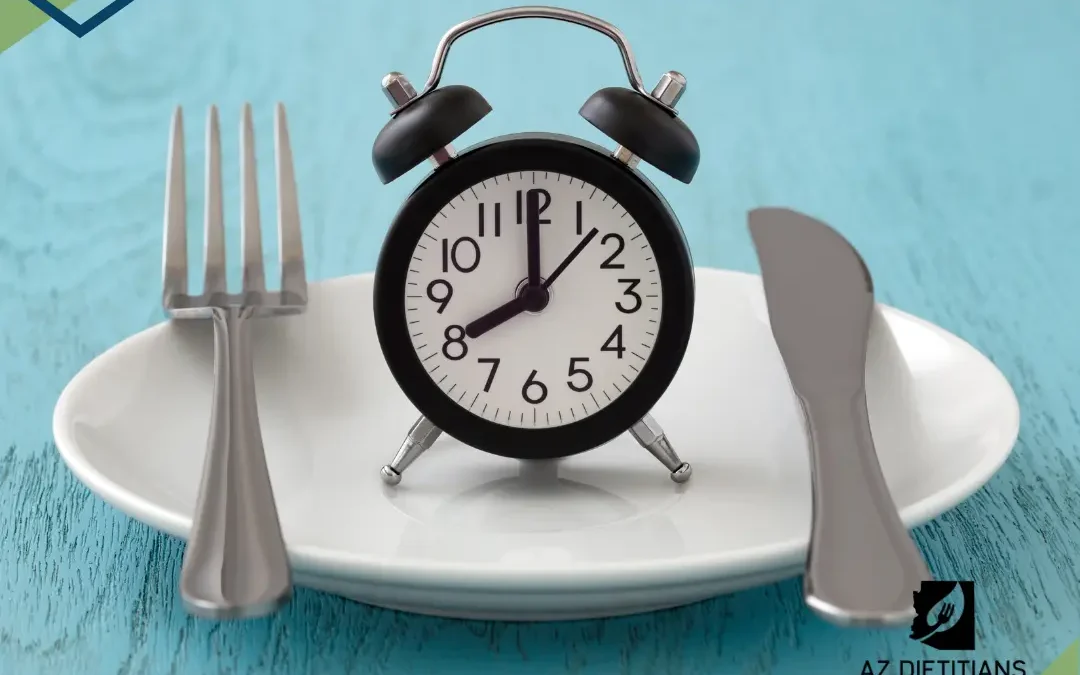
Fasting can affect women differently depending on factors like age, activity level, hormonal health, and reproductive status. Learn what research says about intermittent fasting, PCOS, menstrual health, bone density, and more.
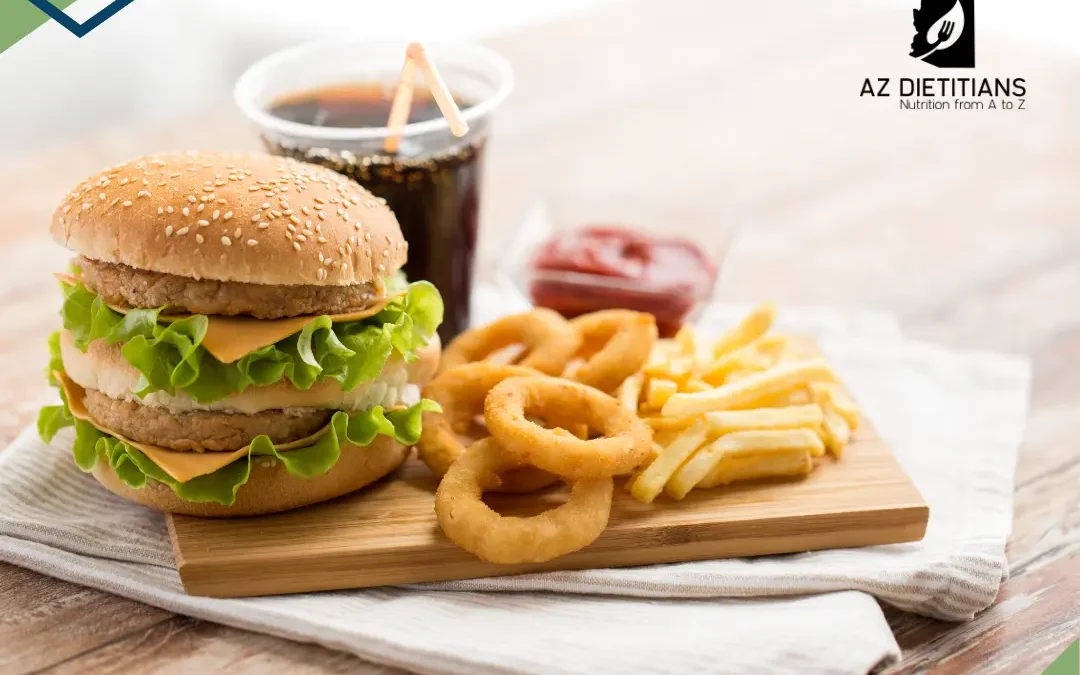
Could the ultra-processed foods you eat regularly be affecting your brain health? Learn about the potential connections between ultra-processed foods, memory, mood, inflammation, and cognitive health, along with simple ways to make more nutritious choices.

Wondering what to eat after gallbladder removal? Learn how your diet may need to change after surgery and get practical tips for supporting digestion as your body adjusts.