Retatrutide Peptide
You've probably already heard of GLP-1 medications like Ozempic taking over the market. However, there is a new and...

Last updated: February 5, 2026
Created by: Kristen Carli, Dietetic Intern
If you’re trying to follow a specific nutrition plan or eat a healthy diet, don’t forget about choosing healthy beverages to go along with the nutritious food you’re eating. After all, what you drink throughout the day can add significant calories, sugars, and other unwanted things to your diet. Let’s take a look at how to include healthy drinks on a daily basis.
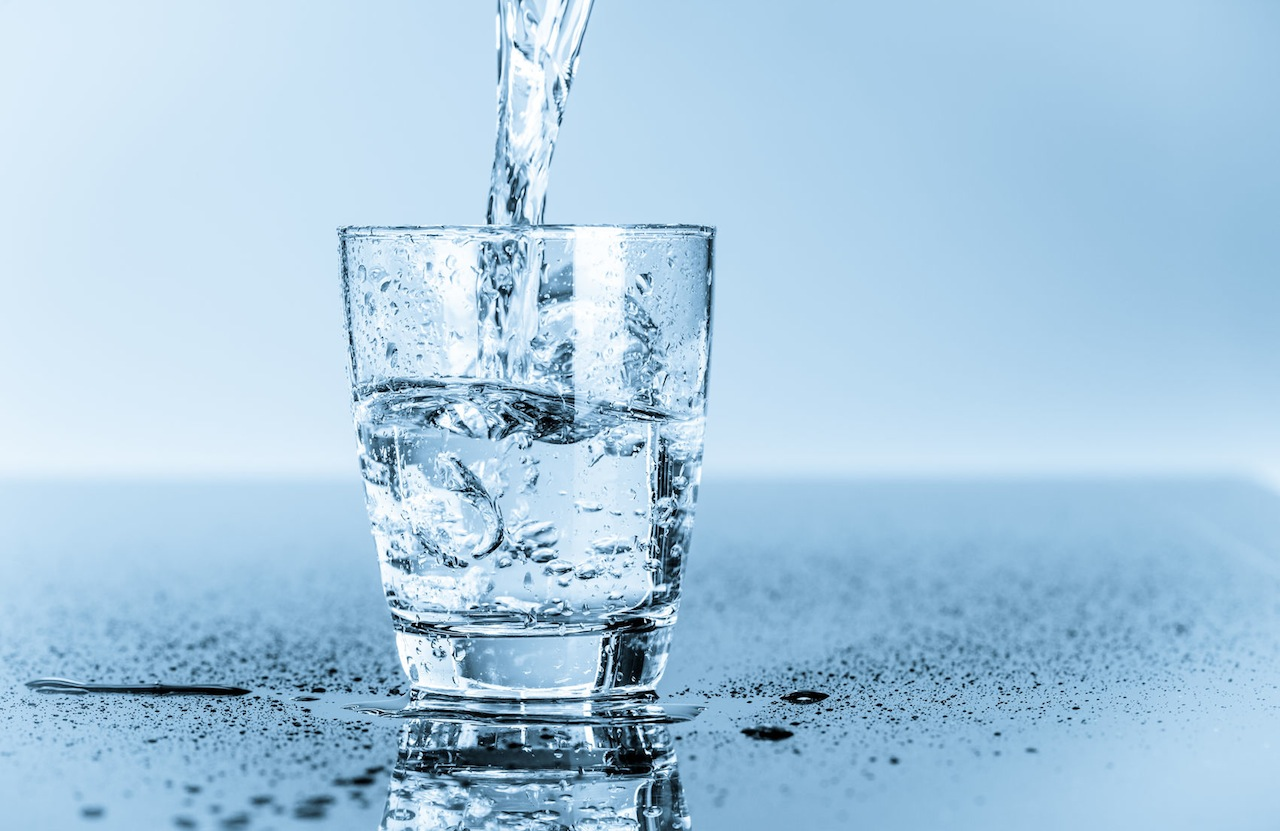
When you think about healthy beverages, water should come to find first. Soda, energy drinks, sports drinks, and other sugar-sweetened beverages contain added sugars and calories. Adults on average consume about 400 extra calories per day from beverages. Replace most, if not all, sugary drinks with water.
Drink plenty of water throughout the day, especially if you are active or work in hot conditions. Let your thirst be your guide to indicate how much water you should be drinking.
Water is not only the healthiest option, it is also the most affordable option too. Save money by choosing water when out or at home. Bring a reusable water bottle with you when on the go for convenience.
Only keep healthy beverages inside your home. This will help you decrease your consumption of sugar-sweetened beverages. Stock up on 100% juice, coconut water, coffee, unsweetened tea, or low-fat dairy to have healthy options at home.
If unsure, check the nutrition facts label on the beverage. Avoid added sugars, saturated fat, sodium and too many calories.
Material adapted from choosemyplate.gov
Last updated: February 5, 2026
AZ Dietitians offers in-person and virtual appointments for Arizona clients. Now offering telehealth services for clients in Colorado, Utah, and California.
You've probably already heard of GLP-1 medications like Ozempic taking over the market. However, there is a new and...

Fasting can affect women differently depending on factors like age, activity level, hormonal health, and reproductive status. Learn what research says about intermittent fasting, PCOS, menstrual health, bone density, and more.
Could the ultra-processed foods you eat regularly be affecting your brain health? Learn about the potential connections between ultra-processed foods, memory, mood, inflammation, and cognitive health, along with simple ways to make more nutritious choices.

Wondering what to eat after gallbladder removal? Learn how your diet may need to change after surgery and get practical tips for supporting digestion as your body adjusts.