
Greens Powders vs. Eating Vegetables: Can a Scoop Replace Your Greens?
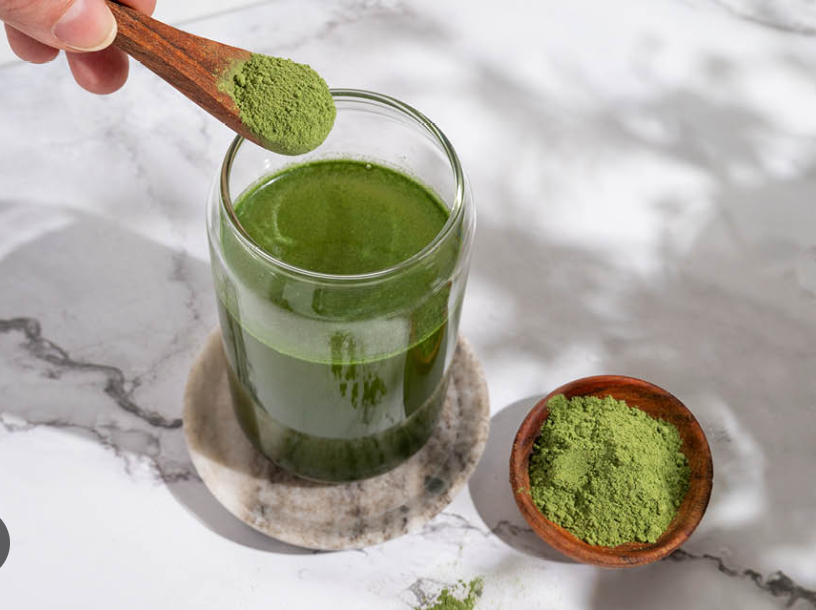
Greens powders have become a popular addition to smoothies, water bottles, and morning routines. Marketed as a...

Last updated: February 5, 2026
You are sitting at your desk in the office and look over at the clock with eyes fighting to stay open to see that the time is 10 AM in the morning. Yawning big you reach over to grab your second cup of coffee recalling how many hours you slept the night before. You start to wonder what is wrong with your body that 8 hours of sleep and 2 cups of coffee later you still feel like a walking zombie?
You go online and search your symptoms via trusted Doctor google and diagnose yourself with adrenal fatigue.
Adrenal fatigue is the idea that our adrenal glands are overworked due to chronic stress which causes the adrenal glands to produce insufficient amounts of hormones. Common signs and symptoms include:
But, is the condition real? According to the Mayo Clinic, adrenal fatigue is not an accepted medical diagnosis. In fact, recent peer review studies have revealed that the condition has no scientific support. Endocrinologist, Dr. Anat Ben-Shlomo from Cedars-Sinai stated in the article Debunking Adrenal Fatigue written by Cedars-Sinai that, “when you’re stressed, the adrenal glands actually produce more of the cortisol and other hormones you need.”
In the same article, Dr. Anat Ben-Shlomo provided tips if you are experiencing symptoms that are typically associated with adrenal fatigue:
There are numerous medical conditions that present with similar signs and symptoms. An underlying health issue left untreated could continue to take a toll on your overall health. If you are experiencing the symptoms listed above consult a medical professional to determine the real cause for the symptoms.
You can learn more tips to fight fatigue by visiting the AZ Dietitians blog, where you will find articles on the effects of sleep deprivation, how to get moving, and how to stay hydrated.
Written by: Lexi Nazzaro, Dietetic Intern
Sources: Information adapted from Mayo Clinic mayoclinic.org, Harvard Health health.harvard.edu and Cedar-Sinai cedars-sinai.org
Photo from @lexicolby_ by Lexi Nazzaro, Dietetic Intern
Last updated: February 5, 2026
AZ Dietitians offers in-person and virtual appointments for Arizona clients. Now offering telehealth services for clients in Colorado, Utah, and California.
Greens powders have become a popular addition to smoothies, water bottles, and morning routines. Marketed as a...

Can the foods you eat help support your immune system? Discover how balanced nutrition, essential vitamins, protein, healthy fats, and gut-friendly foods contribute to immune health, plus simple habits you can incorporate into your daily routine.

A balanced morning meal can help you meet your daily nutrient needs, support cognitive performance, and maintain steady energy and blood sugar levels. Discover the benefits of breakfast, simple ideas for building a nutritious morning meal, and how to make choices that support your individual health and nutrition goals.

Pumpkin is more than a seasonal favorite! Packed with vitamins, minerals, fiber, and beneficial plant compounds, pumpkin flesh, seeds, and oil offer a variety of nutritional benefits. Discover how pumpkin can support your overall wellness and explore simple ways to enjoy this versatile ingredient in your everyday meals.