Greens Powders vs. Eating Vegetables: Can a Scoop Replace Your Greens?
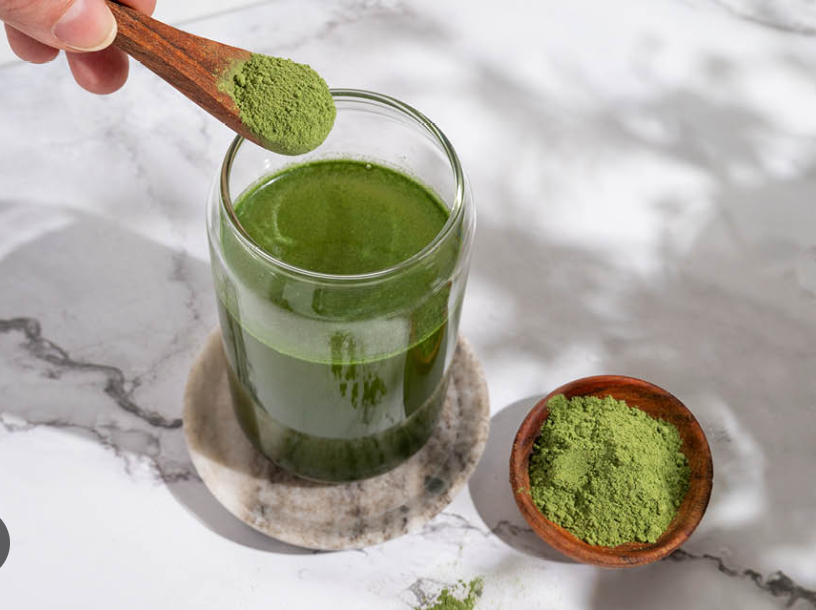
Greens powders have become a popular addition to smoothies, water bottles, and morning routines. Marketed as a...

Last updated: February 5, 2026
Potassium is one of the three main electrolytes and third most abundant mineral in the body. It’s function is to assist in maintaining fluid balance. It also plays a role in heart and muscle contractions and supporting the nervous system.
Most individuals do not meet the adequate intake, AI, for potassium. The current AI is 4,700 milligrams for adults and 5,1000 for women who are pregnant or breastfeeding. Meeting these guidelines is important for optimal health and may lower the risk of cardiovascular disease, kidney stones, and bone loss.
As stated before, most Americans do not meet the AI for potassium. Signs of deficiency include excess sweating, diarrhea, vomiting, and kidney complications. If deficiency becomes severe, muscle spasm, irregular heartbeat and weakness may occur. If any of these symptoms present, it is vital to seek medical care. Populations most at risk for deficiency are older adults, African Americans, or individuals who have kidney disease.
There are many ways to get potassium in the diet, aside from reaching for an electrolyte beverage. Eating a well balanced diet rich in whole grains, fruits, vegetables and legumes promotes dietary intake of this essential mineral.
Dietary Sources of Potassium:
Potassium is an important mineral for cardiovascular health and incorporating potassium-rich foods in the diet may decrease your risk for stroke, hypertension, and kidney stones. If you are struggling with getting adequate amounts in your diet, please contact our office and schedule a consultation with one of our registered dietitians.
Written by: Lexi Nazzaro, Dietetic Intern Sources: Material adapted from The Academy of Nutrition and Dietetics, Food & Nutrition Magazine (May/June 2018)
Last updated: February 5, 2026
AZ Dietitians offers in-person and virtual appointments for Arizona clients. Now offering telehealth services for clients in Colorado, Utah, and California.
Greens powders have become a popular addition to smoothies, water bottles, and morning routines. Marketed as a...
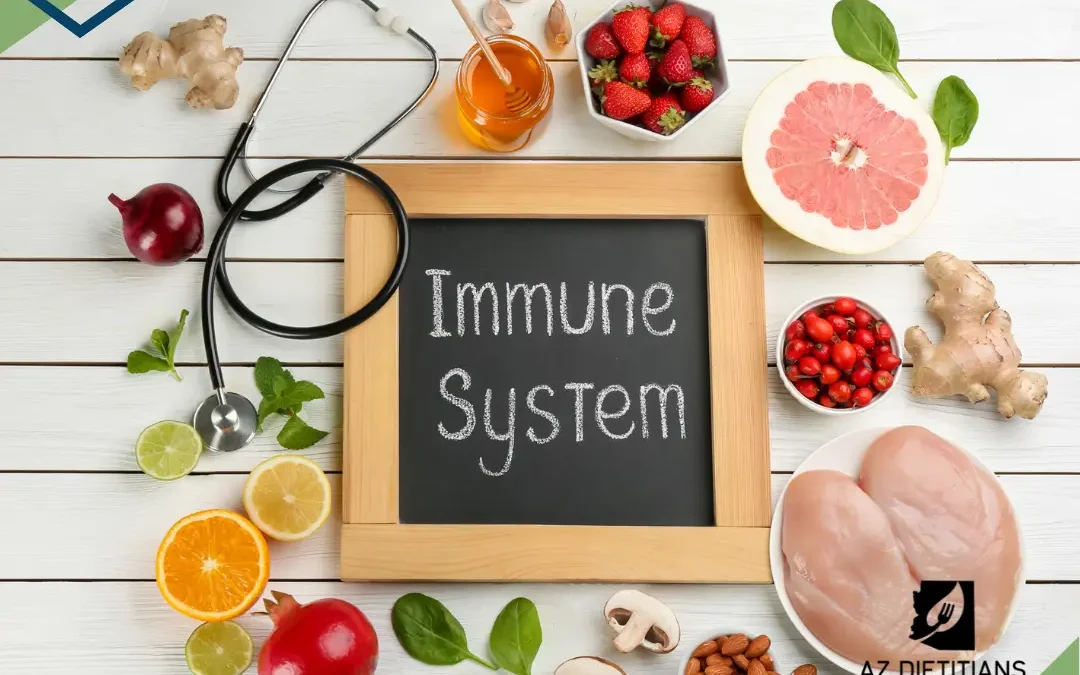
Can the foods you eat help support your immune system? Discover how balanced nutrition, essential vitamins, protein, healthy fats, and gut-friendly foods contribute to immune health, plus simple habits you can incorporate into your daily routine.
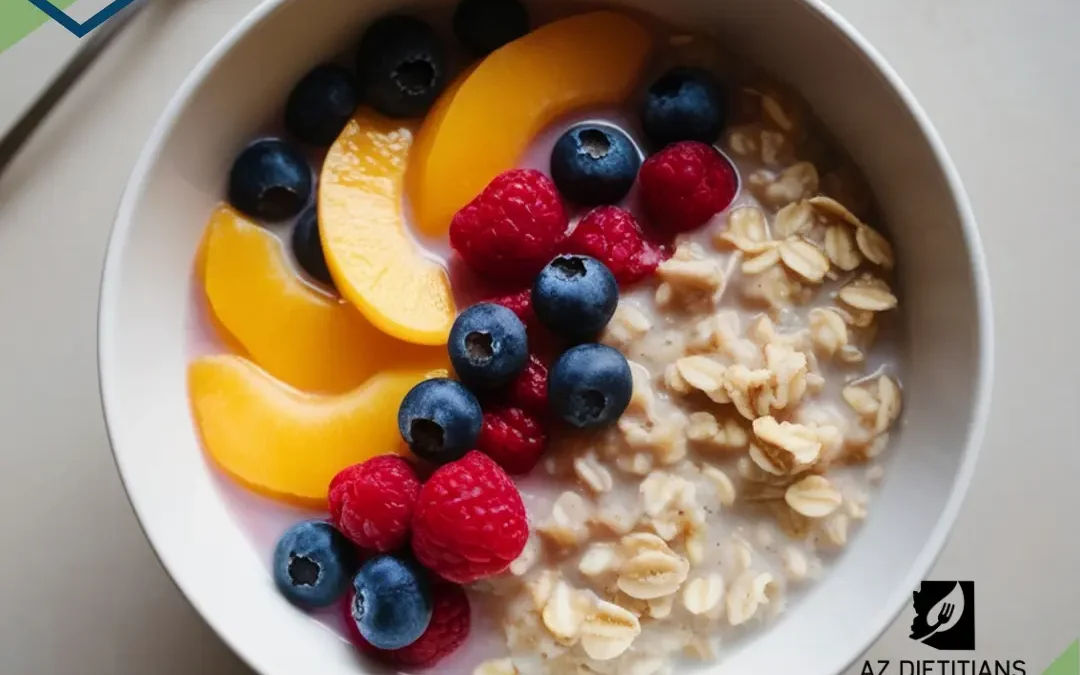
A balanced morning meal can help you meet your daily nutrient needs, support cognitive performance, and maintain steady energy and blood sugar levels. Discover the benefits of breakfast, simple ideas for building a nutritious morning meal, and how to make choices that support your individual health and nutrition goals.
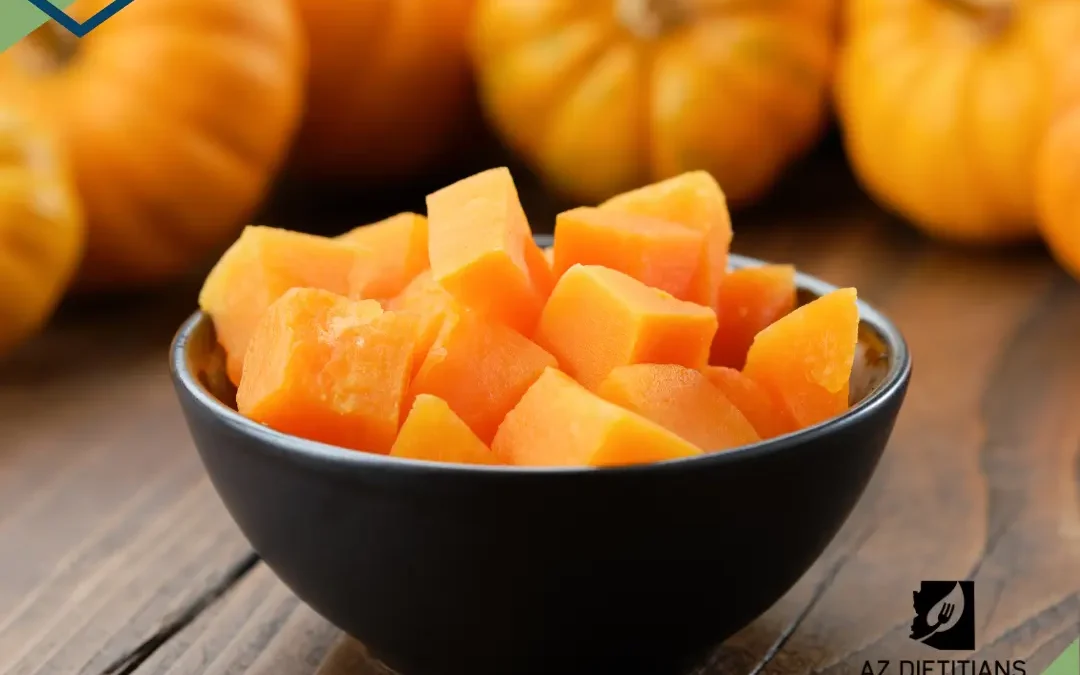
Pumpkin is more than a seasonal favorite! Packed with vitamins, minerals, fiber, and beneficial plant compounds, pumpkin flesh, seeds, and oil offer a variety of nutritional benefits. Discover how pumpkin can support your overall wellness and explore simple ways to enjoy this versatile ingredient in your everyday meals.