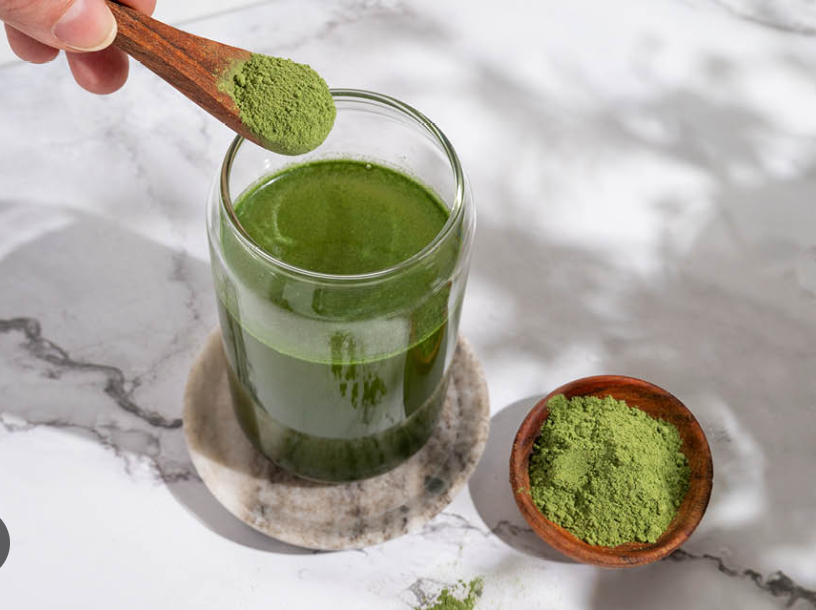
Greens Powders vs. Eating Vegetables: Can a Scoop Replace Your Greens?
Greens powders have become a popular addition to smoothies, water bottles, and morning routines. Marketed as a...

Last updated: February 5, 2026
Created by: Hali Obray, Dietetic Intern
You’ve probably heard that it’s good to eat more whole grains or to make them half of your overall grain intake. But, what are they and what benefits do they have?
Whole grain kernels are made up of three parts: the bran (outer layer), germ (core, where seed growth happens), and the endosperm (interior layer). Refined grains only contain the endosperm, which contains carbohydrates, some protein, and small amounts of B vitamins and minerals. These are all great things for our body, but removing the bran and germ also removes a lot of other nutrients: fiber, iron, copper, zinc, magnesium, antioxidants, healthy fats, vitamin E, and other B vitamins.
Research shows that eating whole grains in place of refined grains can also reduce the risk for developing type 2 diabetes, lower total and LDL (bad) cholesterol, and can help treat and prevent constipation. Sounds great, right? But, how can you incorporate more whole grains into your diet?
It’s never too late to eat more whole grains. Your gut will thank you!
For more tips on how to create a healthy diet, check out our other blog articles or schedule an appointment with one of our registered dietitians.
Adapted from hsph.harvard.edu, choosemyplate.gov
Image: eatright.org
Last updated: February 5, 2026
AZ Dietitians offers in-person and virtual appointments for Arizona clients. Now offering telehealth services for clients in Colorado, Utah, and California.
Greens powders have become a popular addition to smoothies, water bottles, and morning routines. Marketed as a...
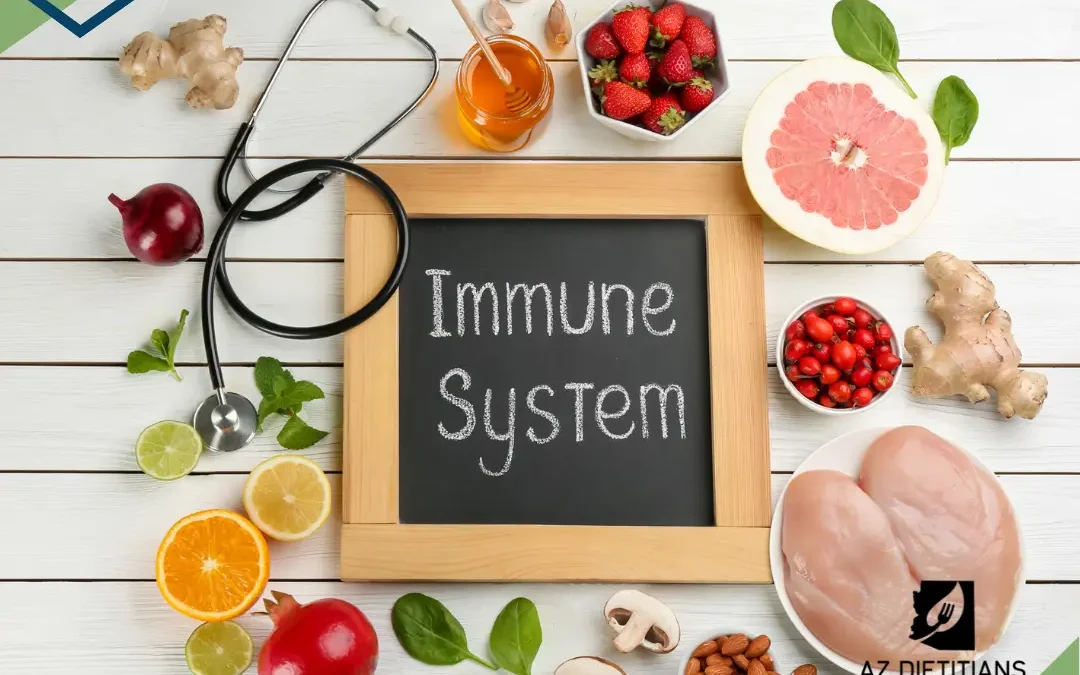
Can the foods you eat help support your immune system? Discover how balanced nutrition, essential vitamins, protein, healthy fats, and gut-friendly foods contribute to immune health, plus simple habits you can incorporate into your daily routine.
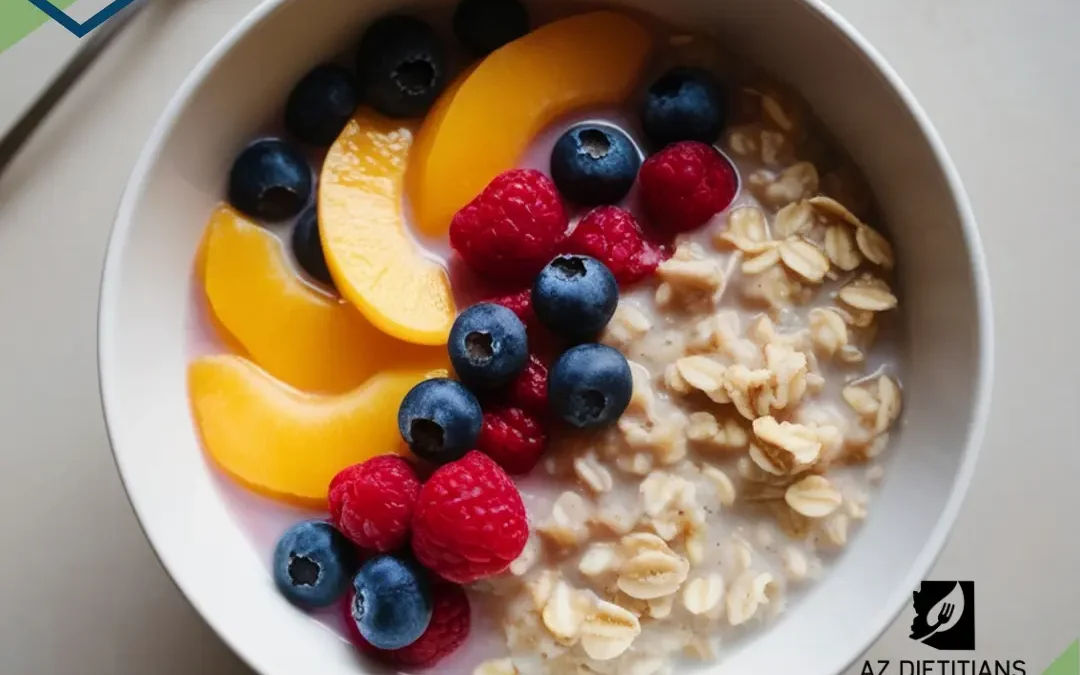
A balanced morning meal can help you meet your daily nutrient needs, support cognitive performance, and maintain steady energy and blood sugar levels. Discover the benefits of breakfast, simple ideas for building a nutritious morning meal, and how to make choices that support your individual health and nutrition goals.
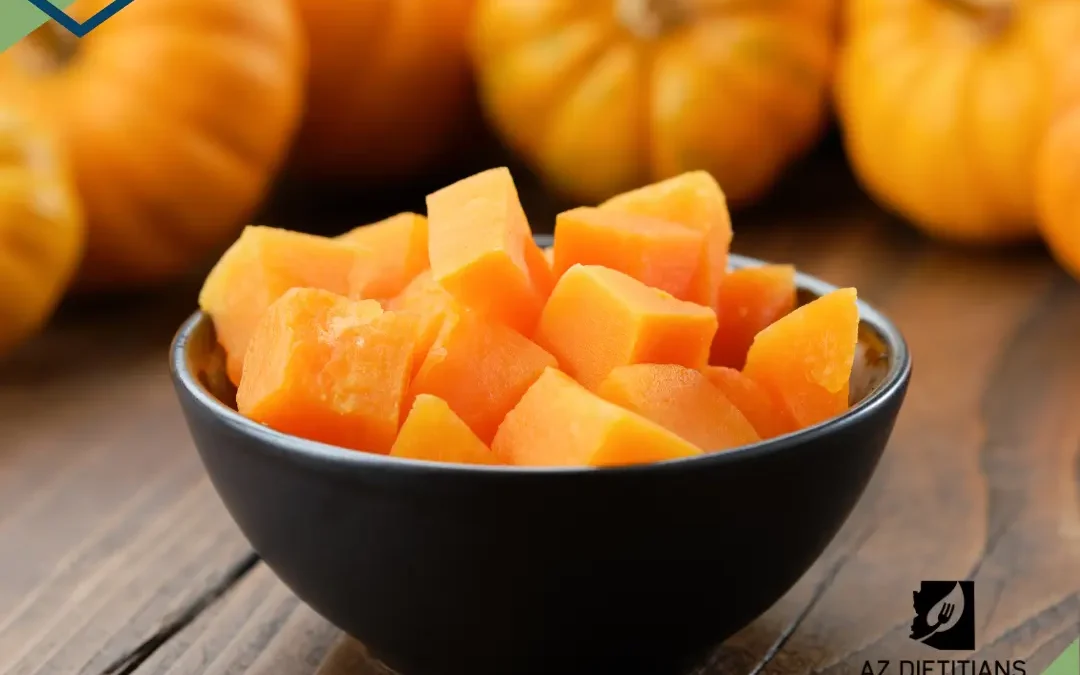
Pumpkin is more than a seasonal favorite! Packed with vitamins, minerals, fiber, and beneficial plant compounds, pumpkin flesh, seeds, and oil offer a variety of nutritional benefits. Discover how pumpkin can support your overall wellness and explore simple ways to enjoy this versatile ingredient in your everyday meals.