Greens Powders vs. Eating Vegetables: Can a Scoop Replace Your Greens?
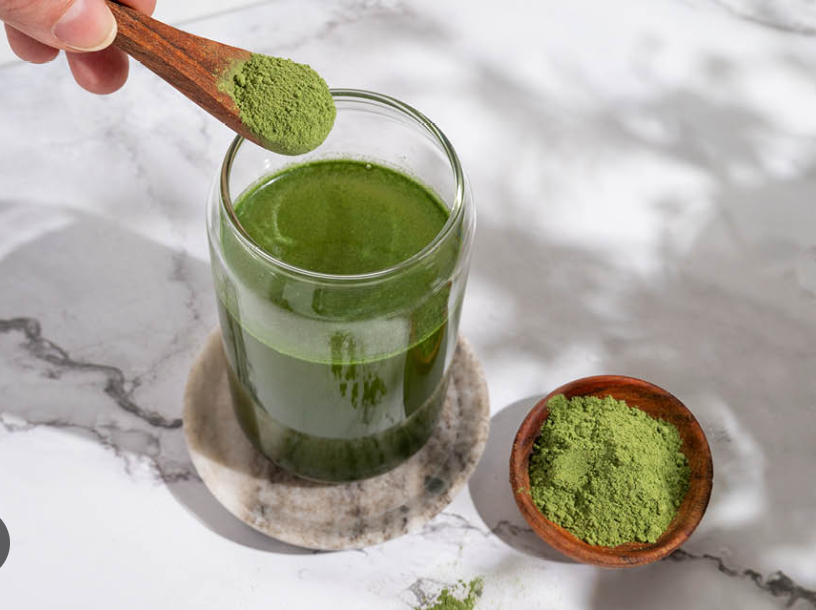
Greens powders have become a popular addition to smoothies, water bottles, and morning routines. Marketed as a...

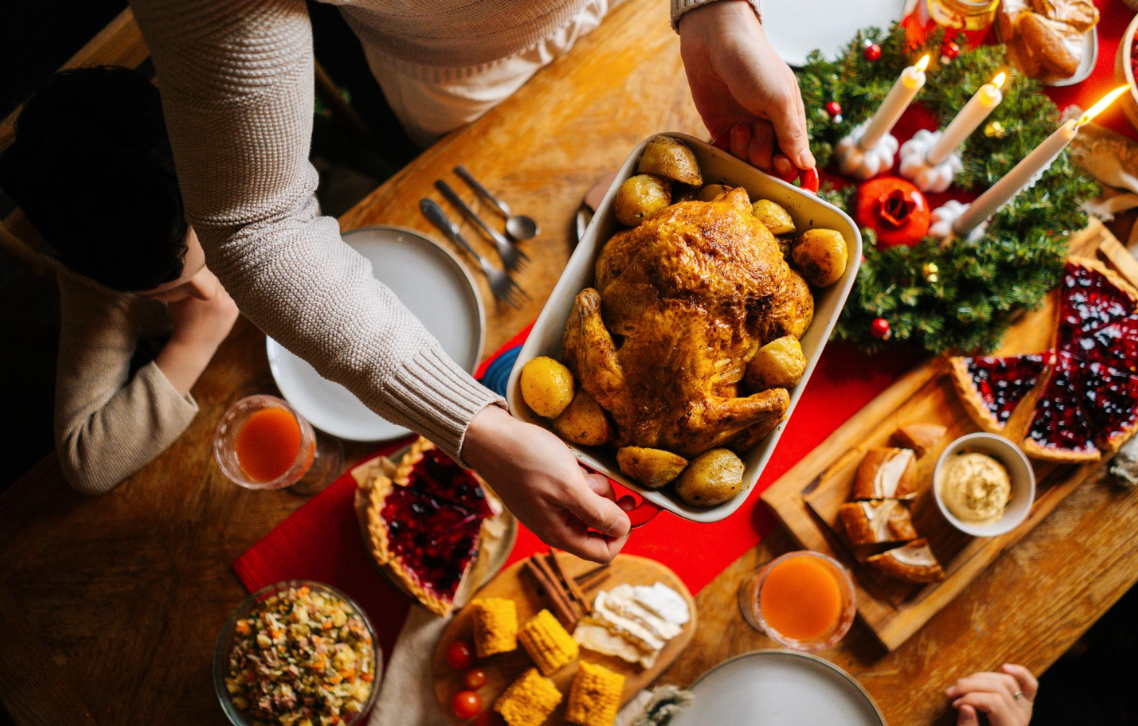
The holiday season is a time for family gatherings, celebrations, cultural traditions, and, of course, delicious food! However, it can sometimes bring feelings of guilt or stress surrounding food choices and eating habits. Remember, maintaining a healthy lifestyle does not mean giving up your favorite holiday foods. Instead, focus on balance, flexibility, and enjoying the season without unnecessary food-related guilt. Here are seven tips to help you enjoy the holidays while supporting a healthy relationship with food.
Avoid categorizing foods strictly as good or bad. Holiday meals, cultural foods, desserts, and favorite family recipes can all fit into a balanced eating pattern. Give yourself permission to enjoy foods you love without feeling the need to justify your choices. Intuitive eating interventions have demonstrated improvements in intuitive eating behaviors and body appreciation (1).
Slow down! Take time to enjoy the taste, texture, aroma, and overall experience of your food. Rather than rushing through a meal, allow yourself to be present and appreciate what you are eating. Pay attention to your body’s hunger and fullness cues instead of relying solely on external rules or social habits. Mindful eating encourages greater awareness of eating behaviors and may support a more intentional relationship with food (2,4).
Try not to skip meals to save calories or compensate for a previous meal. Skipping meals to compensate for anticipated holiday eating may disrupt your usual eating routine and can contribute to an overly restrictive approach to food. Instead, continue eating regular, satisfying meals and snacks throughout the day. Flexible, intuitive approaches to eating are associated with fewer disordered eating behaviors (2).
Enjoy a variety of foods throughout the holiday season, including fruits, vegetables, whole grains, lean proteins, and sources of unsaturated fats. For example, you might include roasted vegetables, a protein-rich main dish, and your favorite holiday dessert at the same gathering. Remember, there is room for foods enjoyed for pleasure, tradition, and celebration. Intuitive eating encourages flexibility rather than rigid dietary rules (1).
One holiday meal or day of eating does not determine your overall health. Avoid thinking that one indulgent meal means you have ruined your progress or need to start over. Instead, remember that long-term eating patterns and consistent habits matter more than individual meals. Developing a flexible relationship with food may support psychological well-being and fewer disordered eating behaviors (2).
Physical activity can be a fun way to spend time with family and friends during the holidays. Consider taking a family walk, dancing, playing outdoor games, or participating in other activities you enjoy. Try to focus on activities that make you feel good rather than viewing exercise as a way to burn off calories or compensate for holiday meals. Research suggests that self-compassion is positively associated with physical activity, highlighting the importance of incorporating kindness and self-care into healthy lifestyle habits (3).
Be kind to yourself throughout the holiday season. Avoid negative self-talk, food-related guilt, or feelings of shame after enjoying a favorite meal or dessert. Remember that food is about more than nutrition; it is also connected to culture, family, memories, and social relationships. Research has linked non-weight-centric eating behaviors with several indicators of physical and psychological health (2). Practicing intuitive and mindful eating, along with self-compassion, may help foster a healthier relationship with food.
A Final Reminder: You do not have to eat perfectly to maintain a healthy lifestyle. Give yourself permission to enjoy your favorite foods, cherish time with loved ones, and continue practicing balanced habits without unnecessary guilt.
Note: These studies support general nutrition and eating-behavior recommendations, not holiday-specific interventions. Some findings are observational and should not be interpreted as proof of causation.
AZ Dietitians offers in-person and virtual appointments for Arizona clients. Now offering telehealth services for clients in Colorado, Utah, and California.
Greens powders have become a popular addition to smoothies, water bottles, and morning routines. Marketed as a...
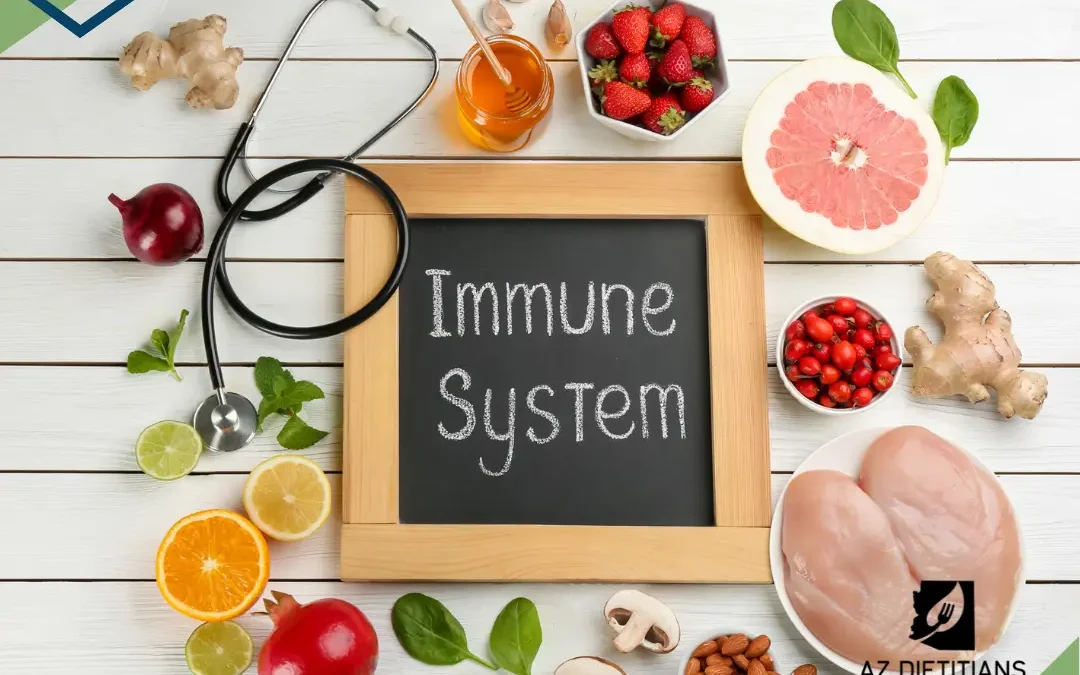
Can the foods you eat help support your immune system? Discover how balanced nutrition, essential vitamins, protein, healthy fats, and gut-friendly foods contribute to immune health, plus simple habits you can incorporate into your daily routine.
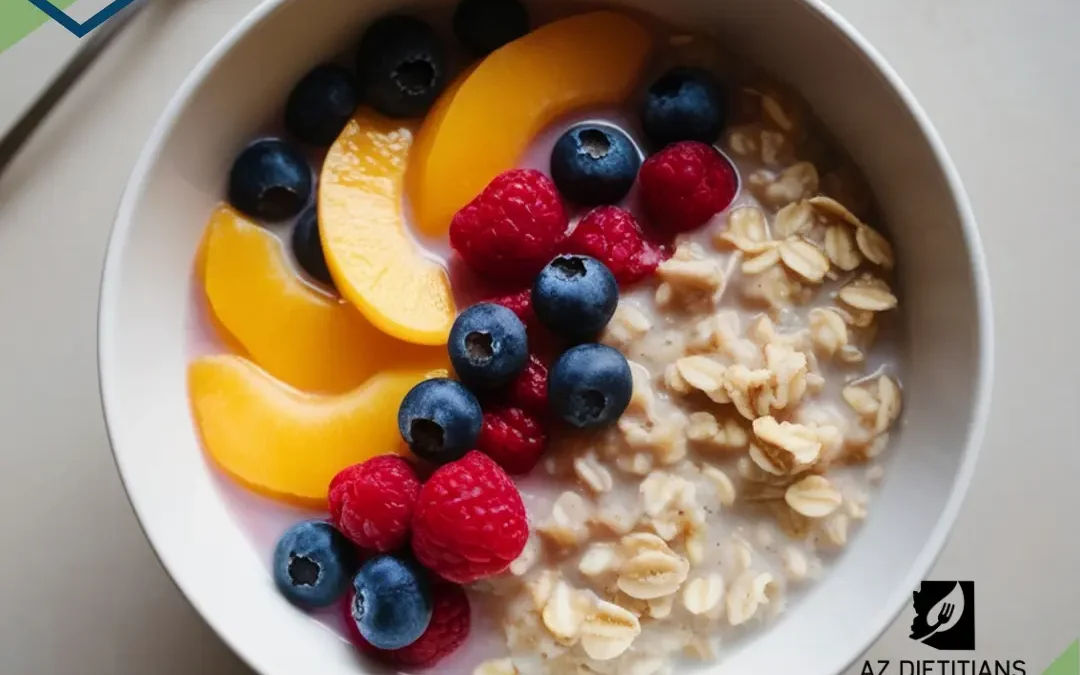
A balanced morning meal can help you meet your daily nutrient needs, support cognitive performance, and maintain steady energy and blood sugar levels. Discover the benefits of breakfast, simple ideas for building a nutritious morning meal, and how to make choices that support your individual health and nutrition goals.
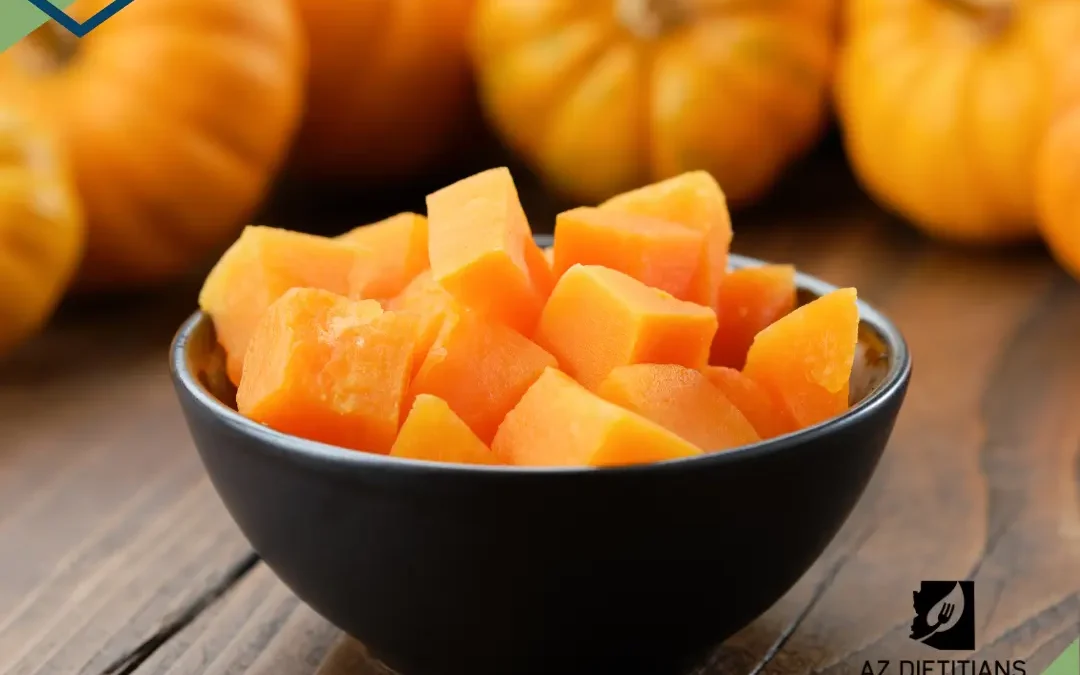
Pumpkin is more than a seasonal favorite! Packed with vitamins, minerals, fiber, and beneficial plant compounds, pumpkin flesh, seeds, and oil offer a variety of nutritional benefits. Discover how pumpkin can support your overall wellness and explore simple ways to enjoy this versatile ingredient in your everyday meals.