
Nutrition and Immunity
Your First Line of Defense Starts on Your Plate As the weather cools down and cold and flu season approaches, many...

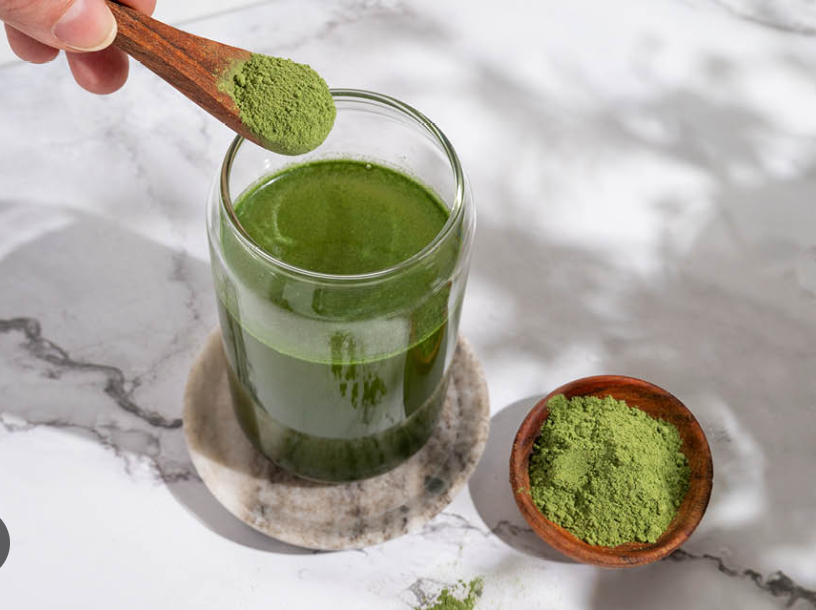
Greens powders have become a popular addition to smoothies, water bottles, and morning routines. Marketed as a convenient way to get more nutrients, these supplements often contain a blend of powdered vegetables, fruits, algae, grasses, vitamins, minerals, and other ingredients. Some products also advertise benefits such as improved digestion, increased energy, or immune support.
With busy schedules and nutrition advice everywhere, it is understandable why a quick scoop of greens may sound appealing. But can greens powders provide the same benefits as eating vegetables?
The short answer: greens powders may help supplement a person’s diet, but they are not a replacement for vegetables. Whole vegetables offer fiber, water, and a complex combination of nutrients and plant compounds that a scoop of powder may not fully reproduce. While powders can be convenient in certain situations, the foundation of a healthy eating pattern should still include a variety of vegetables and other whole foods.
Greens powders are dietary supplements made from dried and powdered plant ingredients. Depending on the product, they may include spinach, kale, broccoli, wheatgrass, barley grass, spirulina, chlorella, fruit powders, probiotics, or added vitamins and minerals.
Because formulations differ considerably, greens powders are not all nutritionally equivalent. Some products mostly contain powdered plant ingredients, while others include concentrated extracts, herbs, or additional nutrients. This variation makes it difficult to draw broad conclusions about the health effects of greens powders as a category.
Research on specific products is limited, and results from one formula cannot necessarily be applied to another. A small randomized, placebo-controlled trial evaluating a particular greens supplement, for example, cannot establish that all greens powders improve energy, immune function, or overall health (Boon et al., 2004). More research using larger and more diverse groups of people is needed to understand the potential benefits and limitations of these products.
Vegetables provide a combination of nutrients and food components that work together within the overall diet. They contain vitamins and minerals, but they also provide dietary fiber, water, and a wide variety of plant compounds called phytochemicals.
Fiber is one important difference between whole vegetables and many greens powders. Depending on the product and processing methods, a powder may contain less fiber than the whole foods it is made from. Fiber supports digestive health and can help promote fullness. Certain types of fiber are also used by gut microorganisms, contributing to the production of compounds that support the intestinal environment (Makki et al., 2018).
Whole vegetables also offer variety in their natural forms. Leafy greens, cruciferous vegetables, orange vegetables, and legumes each provide different combinations of nutrients and plant compounds. Rather than relying on one blend, eating a variety of vegetables can help broaden the range of nutrients and food components in the diet.
Research has consistently associated higher vegetable intake with several health benefits. In an umbrella review of observational studies, Aune et al. (2017) found that higher fruit and vegetable consumption was associated with a lower risk of cardiovascular disease and several other health outcomes.
Greens powders may contain vitamins, minerals, and plant-derived ingredients. For someone who has difficulty accessing or regularly eating vegetables, a greens powder may offer a convenient way to add certain nutrients to their routine. However, the amount and type of nutrients provided depend on the product, serving size, and ingredient list.
It is important to remember that a nutrient listed on a label does not automatically mean the product provides the same benefits as eating the original food. Whole vegetables contain important nutrients alongside fiber, water, and other compounds. A powder may preserve some of these components, but processing and formulation can change the final product and how bioavailable it is.
There is also limited evidence that greens powders as a category deliver the broad health outcomes often promoted in marketing. Claims about “detoxing,” boosting energy, or strengthening immunity should be evaluated carefully. The presence of vegetable ingredients does not, by itself, prove that a product produces those effects.
The biggest concern with using greens powders as a replacement for vegetables is that they can leave important parts of a balanced diet out.
First, a powder may not provide the same amount or variety of fiber as eating vegetables. Second, the ingredients in a supplement may represent only a narrow selection of plants, and the quantities of each ingredient are not always clearly stated. Third, powders do not provide the same experience of eating whole foods—the chewing, volume, texture, and satisfaction that can accompany a meal or snack.
Vegetables can also be incorporated into meals in ways that support overall dietary variety. Roasted broccoli, spinach in an omelet, peppers in a stir-fry, or carrots with hummus each contribute something different to the eating pattern. A greens powder mixed into water does not offer the same range of meal and snack possibilities.
It is also worth considering cost. Some greens powders are expensive, and the money spent on supplements may be better used to purchase fresh, frozen, or canned vegetables. Frozen and canned vegetables can be nutritious, convenient options, and they can help make vegetable intake more accessible throughout the year.
Greens powders may provide some nutrients and can be convenient in certain circumstances, but they are not a substitute for eating vegetables. Whole vegetables offer fiber, water, variety, and a combination of nutrients and plant compounds that powders may not fully replicate.
Rather than relying on a supplement to “cover” your vegetable intake, focus on small, sustainable ways to include vegetables in your meals and snacks. Fresh, frozen, and canned options can all fit into a balanced eating pattern. If a greens powder is something you enjoy or find useful, think of it as a supplement—not the foundation of your nutrition.
AZ Dietitians offers in-person and virtual appointments for Arizona clients. Now offering telehealth services for clients in Colorado, Utah, and California.
Your First Line of Defense Starts on Your Plate As the weather cools down and cold and flu season approaches, many...
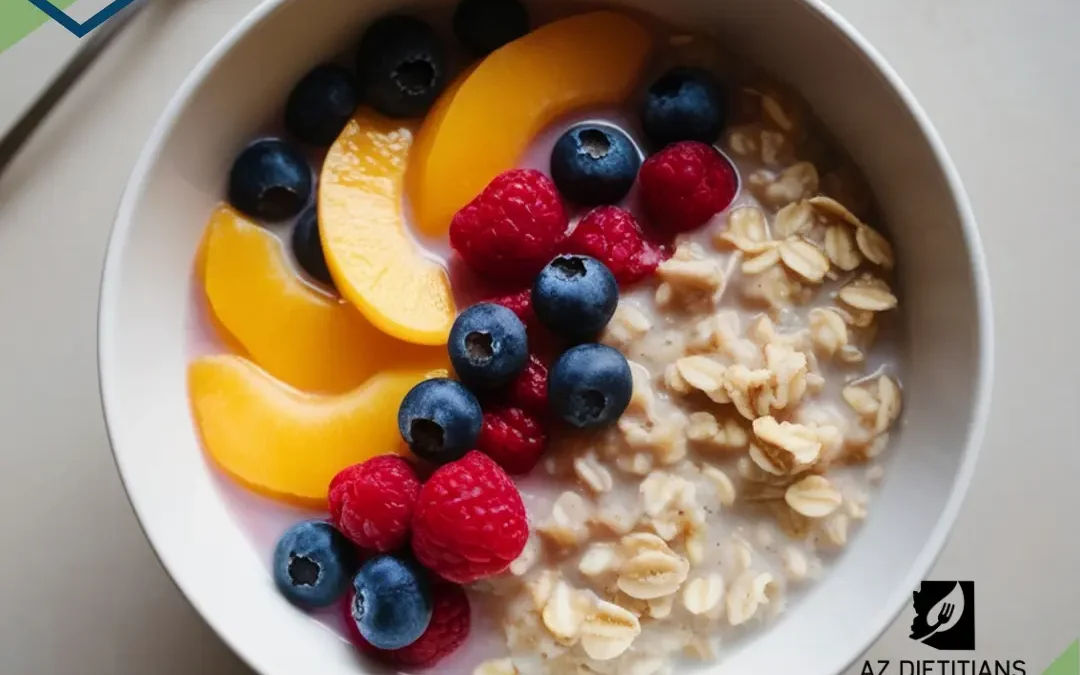
A balanced morning meal can help you meet your daily nutrient needs, support cognitive performance, and maintain steady energy and blood sugar levels. Discover the benefits of breakfast, simple ideas for building a nutritious morning meal, and how to make choices that support your individual health and nutrition goals.
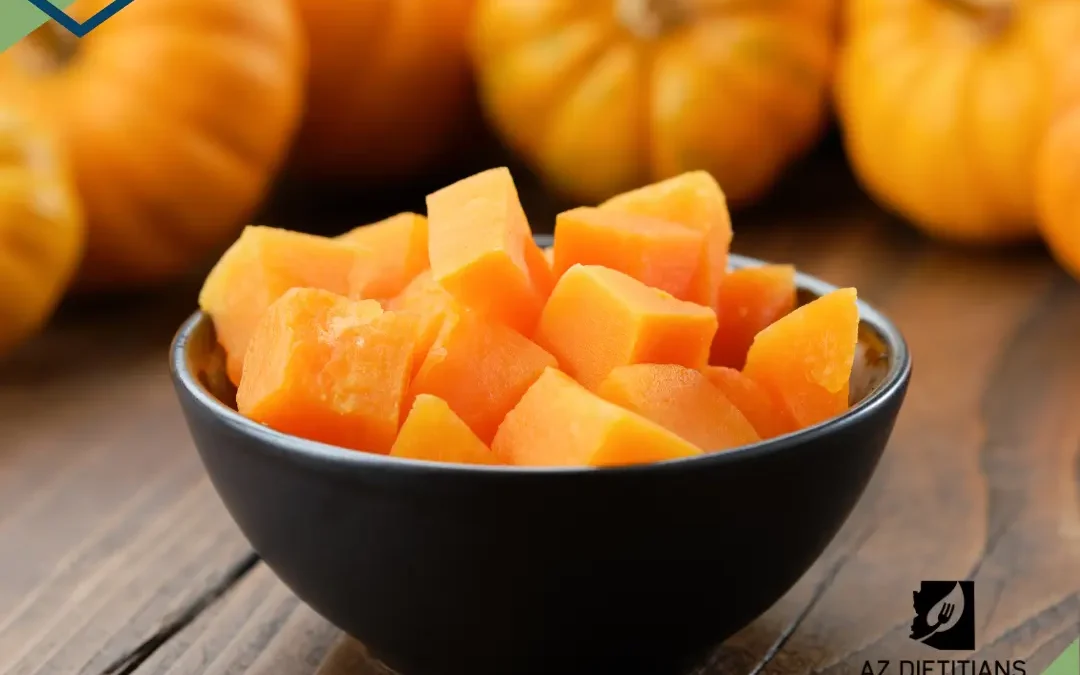
Pumpkin is more than a seasonal favorite! Packed with vitamins, minerals, fiber, and beneficial plant compounds, pumpkin flesh, seeds, and oil offer a variety of nutritional benefits. Discover how pumpkin can support your overall wellness and explore simple ways to enjoy this versatile ingredient in your everyday meals.
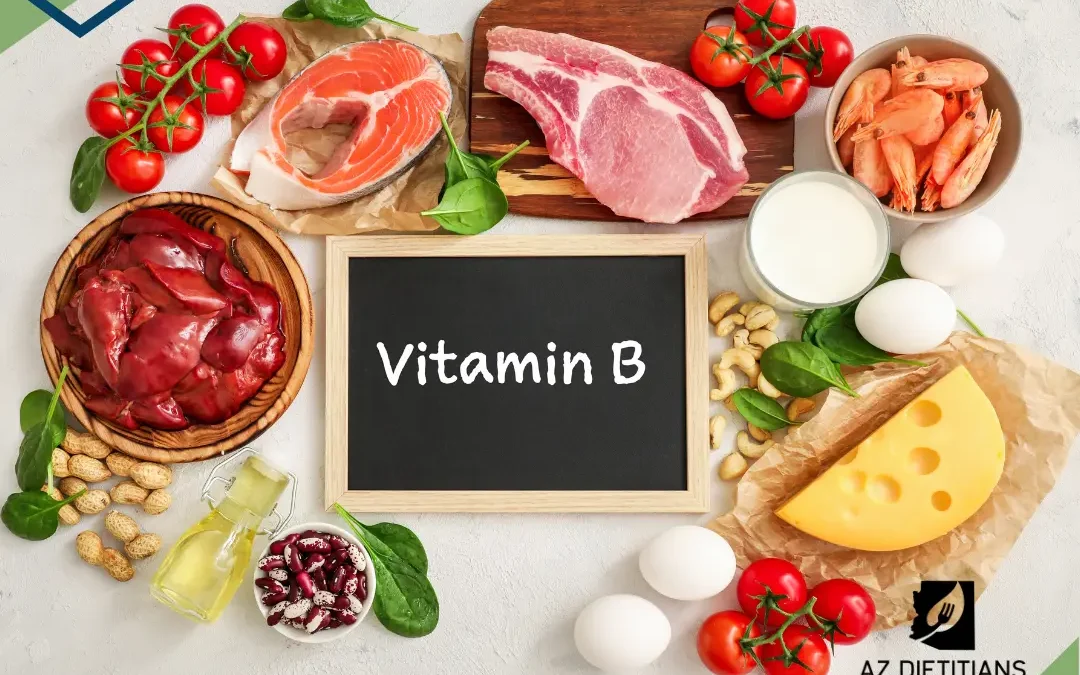
B vitamins play essential roles in energy production, metabolism, nerve function, and overall health. Discover the eight B vitamins, what each one does, and which foods can help you meet your nutritional needs.