In today’s world, it can feel like healthy eating comes with a hefty price tag. Between rising grocery costs and busy schedules, meal planning might sound like just another chore. But here’s the truth: planning your meals is one of the most effective ways to save money and eat better. With a little strategy, you can nourish your body without breaking the bank.
5 Meal Planning Tips to Keep Your Nutrition Plan on Track While Staying Within Your Budget
1. Start with a plan:
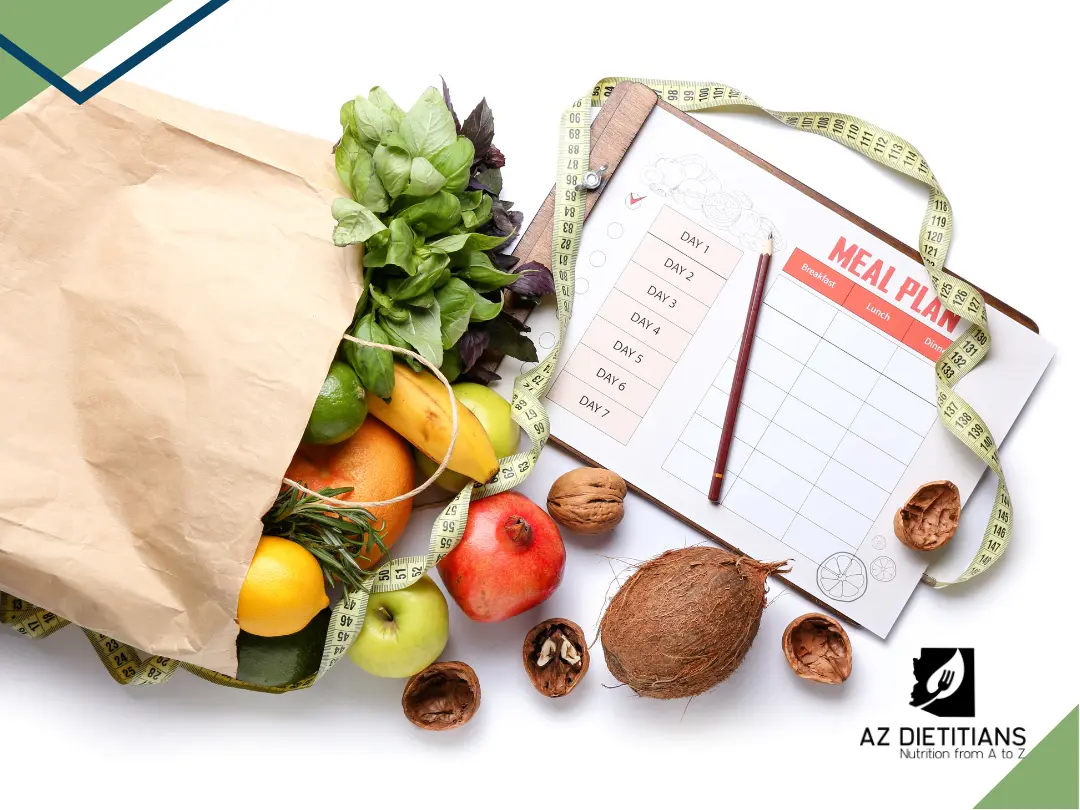
Impulse grocery trips are dangerous for a budget. Start by planning out your meals for the week. Check what you already have on hand because you might already have things for a meal. Then, create a list of what you’ll need. Having a list will help you cut back on unnecessary purchases at the store.
2. Build meals around affordable staples:
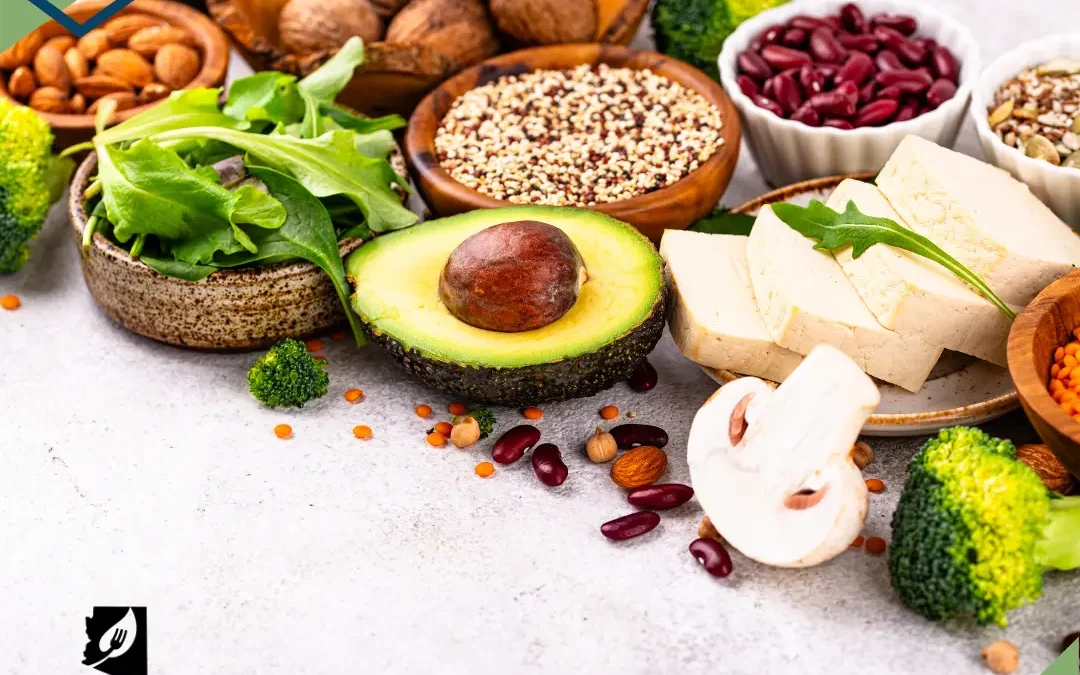
Whole grains, beans, frozen fruits/veggies, and eggs are budget-friendly and versatile. These can be made into many meal variations like stir fries, grain bowls, and sheet pan meals. Just pair with a protein like chicken or beef and you’re all set. Buying in bulk or choosing store-brand options can help you save money. You can also opt for frozen meat so you can keep it for longer before cooking it.
3. Cook once, eat twice (or more):
Batch cooking and meal prepping is a cheat code for time and cost. Preparing larger portions of your meals means you’ll have leftovers for the week. Not only does this save you time from cooking each day, it also reduces the urge to stop at that drive-thru on your way home from work because you already have something to pop in the microwave when you get home.
4. Shop smart:
Look for sales, discounts, and coupons before going to the store. Many stores also have apps for loyalty points, discounts, and rewards–these small savings can add up! Looking into supplemental assistance programs like SNAP (1) can be beneficial too.
5. Reduce Waste & Repurpose Leftovers:
A big part of budgeting is making sure you actually use what you buy. Food waste can cost the average household hundreds per year. Store your food correctly and make sure to have storage containers handy. Remember, leftovers don’t have to be boring!
3 Dinner Ideas to Make Meal Planning Easy
- Sheet pan chicken, potatoes, and veggies: Toss chicken, diced potatoes, and frozen mixed veggies in olive oil, garlic, salt, pepper, paprika. Place on one pan and roast in the oven.
- Whole wheat pasta with veggies: Cook pasta as instructed on the box and toss in your favorite cooked frozen veggie medley with marinara sauce.
- Taco Bowls: Brown ground beef in a pan, then serve over rice and top with lettuce and any other preferred taco toppings.
- Make sure to make enough for more than one serving so you can utilize these recipes as more than one meal. This will save you time and money throughout the week.
Eating well on a budget is about intention. When you take time to plan, shop smart, and make the most of what you buy, you’re saving money and reducing stress. Start small, plan a few meals, make your grocery list, and see how it feels. Your wallet, your health, and your future self will thank you.
References:
Meal Planning, Shopping, and Budgeting. SNAP Education Connection. https://snaped.fns.usda.gov/resources/nutrition-education-materials/meal-planning-shopping-and-budgeting