Eating After Gallbladder Removal: What You Should Know
Have you recently had your gallbladder removed, or are you preparing for surgery? You might be wondering how this will...


Last updated: February 5, 2026
You have probably heard this common phrase, “you can’t out-train a bad diet.” While nutrition plays a key role in overall fitness goals, it goes far beyond fitness aesthetics. How you fuel your body before and after exercise plays a vital role in performance and recovery. There are many opinions surrounding this topic, one being: “fasted workouts are more beneficial.” What many people don’t consider is the research behind the importance of carbohydrates and protein in fueling progress. These macronutrients are essential for:
No matter what your fitness level is, whether you are an experienced gym goer, or just getting started on your fitness journey, understanding how to properly fuel your body will work wonders in your health, performance, recovery, and results.
Carbs tend to get a bad rap in a portion of the health and fitness world. However, carbohydrates are essential macronutrients for the body. Without them, our body would feel extremely fatigued. They are known as the body’s primary energy source. Carbohydrates are composed of two different sub categories:
Once we eat and digest these carbohydrates, they are transferred to the bloodstream, where they live in our cells providing our body with energy. Although carbohydrates are the body’s preferred source of energy, we can still break down protein and fat to create energy, just not as efficiently. Glycogen (our body’s stored form of energy), is essential in providing energy to the brain, heart and muscles.
If you have ever heard the statement “everything is made up of protein” that’s because it is true! Protein is essential for a large majority of our body’s ability to function. Protein is made up of amino acids, which help muscles, hair, skin, bones, and organs. There are 20 different amino acids that make up different protein structures.
Let’s dive deeper into how protein and carbs can impact exercise recovery and performance.
Knowing that carbohydrates are our body’s primary source of energy, how do they actually benefit exercise performance? Once the body has digested a source of carbohydrates to their simplest form of sugar, it is transported through the bloodstream where it can be stored in the liver and the muscles. Glycogen (glucose) stores in the muscles are then used for supplying energy during muscular contractions from exercise.
Protein is responsible for muscular recovery and building. Eating protein is most commonly emphasized after exercise, however it can provide a variety of benefits prior to exercise. Protein consumption prior to exercise can initiate the process of muscle protein synthesis, which is what helps to build and repair muscular tissue. Recent research is showing that eating protein prior to a workout can extend the window of time after a workout in which the body absorbs protein to rebuild muscle. This can be beneficial for people who may not be able to make a meal following a workout.
Exercise causes your muscles to have tiny tears, also known as a breaking down of the muscle. Protein is essential in helping to rebuild and fix those tears, making your muscles stronger overtime! Protein provides the building blocks your muscles need to repair and grow. When eaten together, protein and carbs work even better—carbs help your body absorb protein more efficiently, speeding up recovery. During a workout, your muscles use stored glycogen to perform necessary muscular contractions in order to break down the muscle. It is important to replenish these energy stores after a workout in order to prevent fatigue, sluggishness, and help to prepare your body for the next workout.
When you should eat prior to a workout is partially dependent upon how you feel after a meal. Eating too close to a workout may cause some discomfort, especially as your body is still trying to digest the meal. According to the Academy of Nutrition and Dietetics, a good time frame to eat prior to exercise is between 1 to 4 hours.
In terms of eating after exercise, as we just discussed, it is important to get protein and carbs following a workout. Current research is showing to consume protein and carbohydrates within an hour after a workout if possible. This is also to prevent post-exercise hypoglycemia, or low blood sugar following exercise.
Now that we have covered how these macronutrients affect exercise, you may be wondering what are some good options for meals surrounding exercise. Let’s take a look at a few options for pre and post workout fuel:
References:
Mohr, C. R. (2019, September 19; reviewed July 23, 2024). Timing your pre- and post-workout nutrition. Academy of Nutrition and Dietetics. Retrieved from https://www.eatright.org/fitness/physical-activity/exercise-nutrition/timing-your-pre-and-post-workout-nutrition
Schoenfeld, B. J., Aragon, A. A., Wilborn, C., Urbina, S. L., & Hayward, S. E. (2017). Pre- versus post-exercise protein intake has similar effects on muscular adaptations. PeerJ, 5, e2825.
Last updated: February 5, 2026
AZ Dietitians offers in-person and virtual appointments for Arizona clients. Now offering telehealth services for clients in Colorado, Utah, and California.
Have you recently had your gallbladder removed, or are you preparing for surgery? You might be wondering how this will...
Weight management is an important part of overall health but the truth is, body composition matters more than the numbers on the scale.
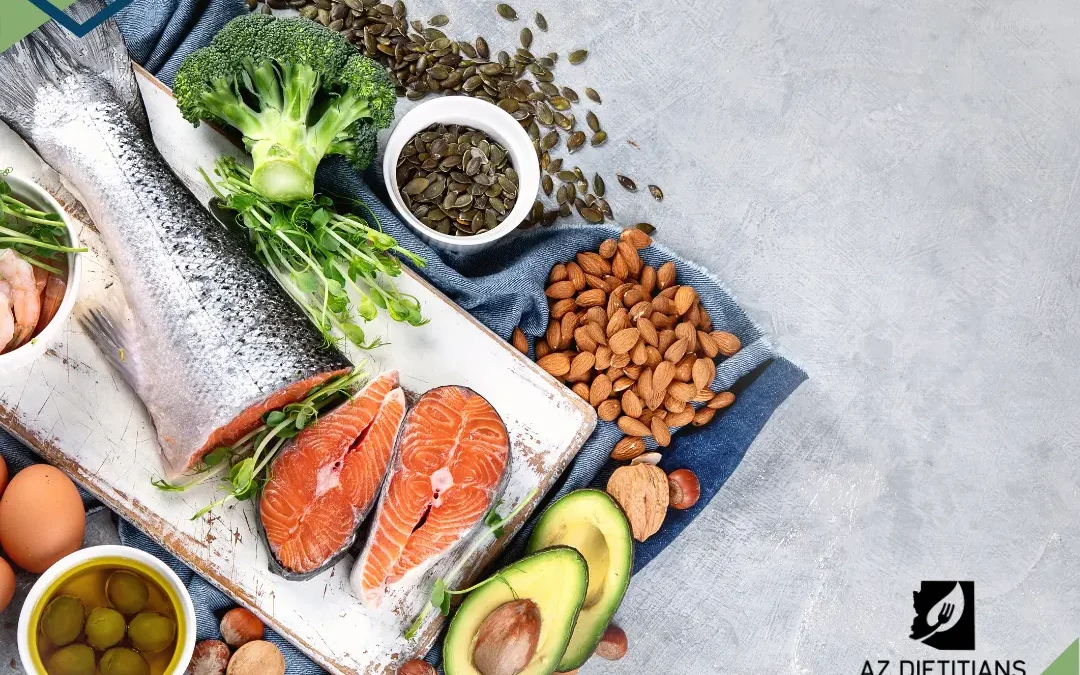
Omega-3 fatty acids are essential nutrients that can support overall health and well-being. Learn about their benefits and get practical tips from our Registered Dietitians for adding more omega-3-rich foods to your daily diet.

What is PMOS, and can inositol supplementation help? Learn about PMOS, the role of inositol, and how supplementation may help support symptom management and overall well-being.