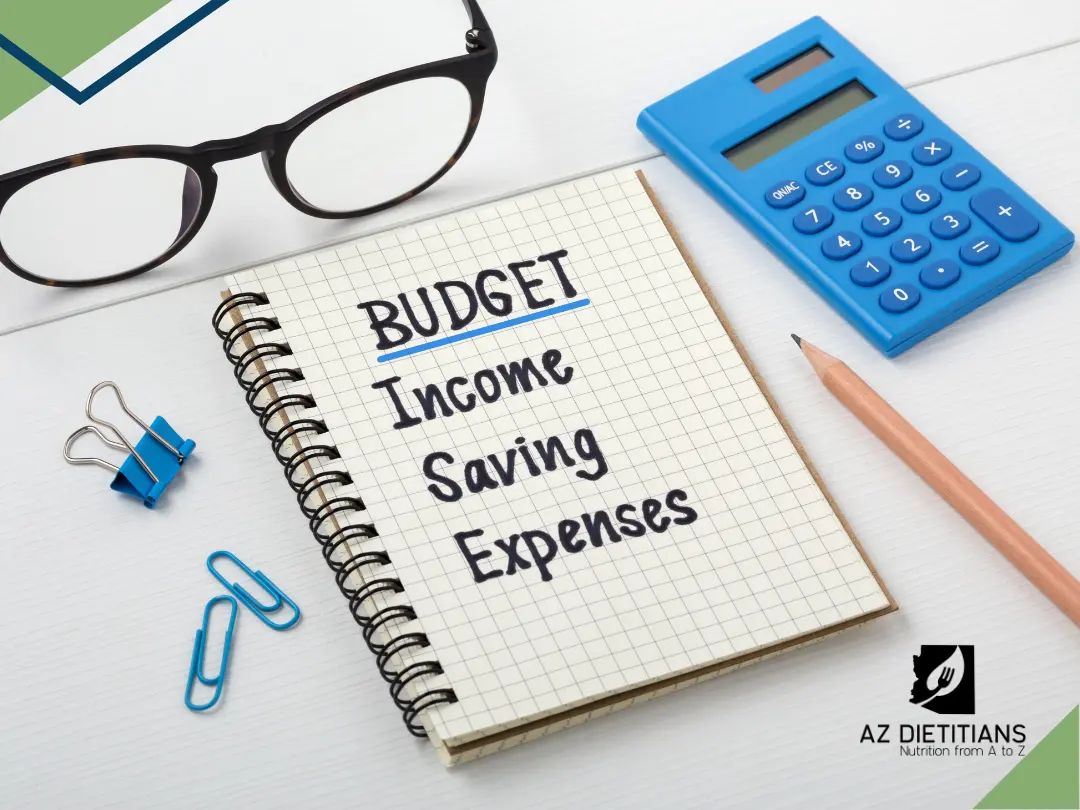
Healthy eating is often seen as expensive or time-consuming, but it doesn’t have to be. With food prices feeling more and more costly and time often being limited, many people feel stuck between saving money and eating well. The good news is, it’s possible to do both. Eating nutritious meals can be affordable, satisfying, and even easier than you might think. Whether you’re cooking for yourself or a family, this guide will help you build habits that support both your health and your budget.
7 Essential Tips for Eating Healthy Without Overspending
Here’s a list of tips on how you can eat healthy without spending more than you need:
1. Plan Before You Shop
Meal planning can go a long way and reduce some of the burden. Set aside around 15 minutes each week to plan meals and snacks, then create a grocery list based on that plan. The USDA recommends focusing on simple, flexible meals like soups, stir-fries, and casseroles that can stretch ingredients across several days (USDA, 2020). Planning your meals also helps reduce food waste from expired food and cuts down on unnecessary purchases.
2. Shop Smart and Compare
Shopping smart means checking unit prices, using coupons, and taking advantage of store loyalty programs. Stick to your list, and don’t shop while hungry, as that often leads to impulse buys. Store-brand items are often just as good as name brands and usually cost less. Compare labels and prices on similar items to make sure you’re getting the best price available. Some grocery stores also run recurring sales on certain items (e.g. bag of almonds normally $10 but on sale for $5), so buying non-perishable items in bulk can help save your overall monthly costs.
3. Choose Nutritious Staples
Stock your pantry and freezer with budget-friendly foods that are full of nutrients. Great options include oats, dry or canned beans, lentils, frozen vegetables, canned tuna or salmon, brown rice, and eggs. These foods are shelf-stable, versatile, and often more affordable than processed convenience meals. Due to their non-perishable nature, these foods can last for months and always be used in healthy meals.
Frozen and canned fruits and vegetables can be just as nutritious as fresh, sometimes less expensive, and dramatically reduce the risk of spoilage before use. If you stress about running out of time before you eat fresh produce, these options help mitigate the pressure to eat fruits and vegetables quickly and can save trips to the grocery store as well as reduce food waste.
4. Eat More Plant-Based Meals
Plant-based proteins like beans, lentils, and tofu are usually more affordable than meat and still provide important nutrients. Plant-based eating patterns have been shown to be cost-effective, help control cholesterol, and support long-term health. You don’t have to give up animal-based protein sources, but substituting one or two vegetarian dinners per week can help.
5. Cook in Batches and Use Leftovers
Cooking larger portions and freezing extras is a great way to save both time and money. The USDA and American Heart Association recommend batch cooking as a simple tool for budget-conscious households. Make dishes like pasta, veggies, or grilled chicken that reheat well. Repurpose leftovers creatively, as for example, roasted chicken from one night can become a wrap, grain bowl, or soup for lunch the next.
6. Buy Seasonal Produce
In-season produce is usually fresher and cheaper due to the larger amount available to consumers. Many stores also offer discounted or “ugly” fruits and vegetables that are just as tasty and nutritious but may look imperfect. These can be great for smoothies, soups, or roasting. Freezing extra fruits and vegetables is a smart way to keep them from going to waste.
7. Use Budget Tools and Apps
Free tools like USDA’s “Shop Simple” and apps like MyPlate or Yuka can help you find budget-friendly grocery items. They also offer meal planning ideas, simple recipes, and even local deals. Additionally, tracking your food spending each week can help identify patterns and reduce overspending in certain categories.
Final Thoughts: Eating Healthy on a Budget IS Possible!
Eating well on a budget is not only possible, it can be simple and rewarding. Focus on planning ahead, choosing nutritious staples, cooking at home, and shopping with intention. Over time, these small changes will become habits and can make a big difference for your health and your wallet.
Start today by picking one new habit, like making a grocery list or preparing one plant-based meal this week. Every step you take adds up to better health and smarter spending.
References
American Heart Association. (2023). Eat healthy on a budget by planning ahead.
Li, L., Pegg, R. B., Eitenmiller, R. R., Chun, J. Y., & Kerrihard, A. L. (2017). Selected nutrient analyses of fresh, fresh-stored, and frozen fruits and vegetables. Journal of Food Composition and Analysis, 59, 8-17.
Shaw, K. A., Zello, G. A., Rodgers, C. D., Warkentin, T. D., Baerwald, A. R., & Chilibeck, P. D. (2022). Benefits of a plant-based diet and considerations for the athlete. European journal of applied physiology, 122(5), 1163-1178. DOI: 10.1007/s00421-022-04902-w
U.S. Department of Agriculture. (n.d.). Healthy eating on a budget. MyPlate.gov.