
Eating After Gallbladder Removal: What You Should Know
Have you recently had your gallbladder removed, or are you preparing for surgery? You might be wondering how this will...

Last updated: February 5, 2026
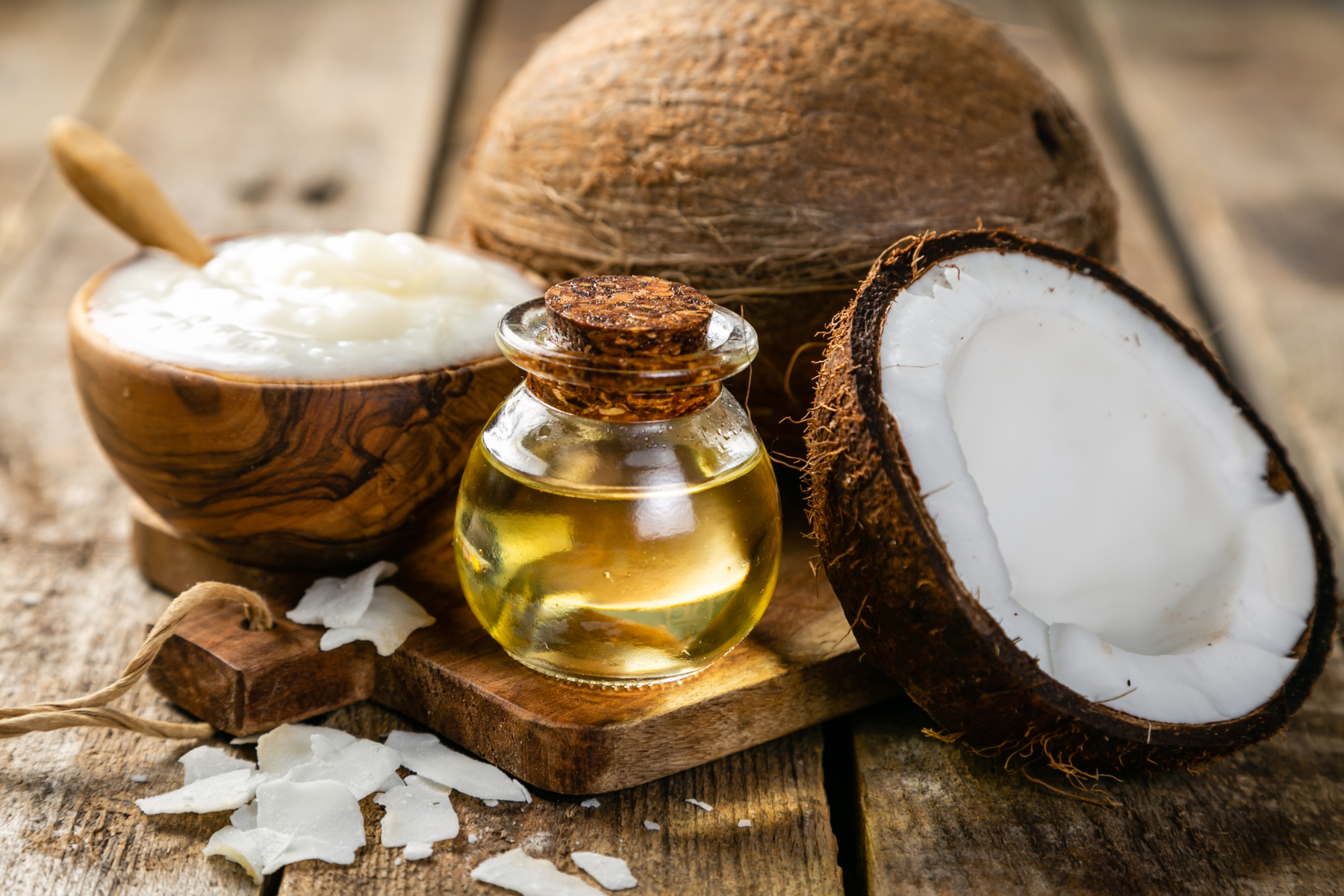
In recent years, Medium Chain Triglyceride (MCT) oil has gained significant popularity in the health and wellness community. It’s praised for its potential benefits, ranging from improved cognitive function to weight management. But what exactly is it, and why is it creating such a buzz? In this blog post, we’ll delve into the world of MCT oil, explore its uses, and discuss the scientific evidence behind its applications.
Medium Chain Triglyceride (MCT) oil is a type of fat found naturally in some foods, such as coconut oil and palm oil. What sets it apart from other dietary fats is its unique chemical structure. MCTs are composed of medium-length fatty acids, typically containing 6 to 12 carbon atoms. This molecular structure allows them to be rapidly absorbed and metabolized in the body, providing a quick source of energy.
MCT oil has a wide range of potential uses and health benefits, many of which are backed by scientific research:
MCTs are readily converted into energy by the liver, making them a quick and efficient energy source. Athletes and individuals on ketogenic diets often use it to boost energy levels before workouts or as a part of their daily routine.
Some studies suggest that it may improve cognitive function and mental clarity. The brain can readily use MCTs for energy, which may enhance focus and cognitive performance.
MCT oil has gained popularity as a potential aid in weight management. Research indicates that MCTs may increase feelings of fullness and help reduce overall calorie intake, which can contribute to weight loss.
It is often used by those following a ketogenic diet to help increase ketone production. Ketones are alternative energy sources that the body produces when carbohydrates are limited, making it easier to maintain ketosis.
MCTs have been shown to have antimicrobial properties and may support a healthy gut by promoting the growth of beneficial gut bacteria.
MCTs have been used as part of the dietary therapy for epilepsy, particularly in cases where medications have proven ineffective.
MCT oil’s popularity stems from its unique properties and potential health benefits. Unlike long-chain fatty acids, which are stored as fat, MCTs are quickly converted into energy. This property makes it an attractive option for those looking to increase their energy levels, support weight management, or enhance cognitive function.
The appropriate dosage can vary depending on an individual’s goals and tolerance. It’s generally recommended to start with a small amount, such as one teaspoon per day, and gradually increase the dosage as tolerated. For those using it for energy or ketogenic purposes, higher daily doses, ranging from 1 to 3 tablespoons, may be appropriate.
It’s essential to consider individual factors, such as metabolism and digestive sensitivity when determining the ideal dosage. Overconsumption of MCT oil can lead to digestive discomfort, including diarrhea or stomach cramps, so it’s crucial to find the right balance.
MCT oil, with its unique structure and potential health benefits, has carved a niche for itself in the world of nutrition and wellness. While scientific evidence supports many of its uses, it’s essential to approach it with moderation and consider individual needs and goals. Interested in learning if it is right for you? Reach out to our office to connect with one of our registered dietitians!
Last updated: February 5, 2026
AZ Dietitians offers in-person and virtual appointments for Arizona clients. Now offering telehealth services for clients in Colorado, Utah, and California.
Have you recently had your gallbladder removed, or are you preparing for surgery? You might be wondering how this will...

Weight management is an important part of overall health but the truth is, body composition matters more than the numbers on the scale.

Omega-3 fatty acids are essential nutrients that can support overall health and well-being. Learn about their benefits and get practical tips from our Registered Dietitians for adding more omega-3-rich foods to your daily diet.
What is PMOS, and can inositol supplementation help? Learn about PMOS, the role of inositol, and how supplementation may help support symptom management and overall well-being.