Eating After Gallbladder Removal: What You Should Know
Have you recently had your gallbladder removed, or are you preparing for surgery? You might be wondering how this will...


Last updated: February 5, 2026
Regular physical activity is one of the most important parts of maintaining your health. Being physically active has several health benefits, and everyone can experience these benefits – regardless of their age, size, gender, or physical ability.
No matter what physical activity you engage in, you are burning calories which can help prevent excess weight gain or even help aid weight loss.
Research has shown that regular physical activity can increase heart muscle function, strength, and oxygen delivery; research has also shown improvements with physical activity through a decrease in blood pressure and cholesterol levels, which can benefit those with high blood pressure.2
Regular physical activity can aid in controlling blood sugar levels and decreasing nerve damage for those with type 2 diabetes.3
Individuals who engage in adequate amounts of physical activity have been shown to exhibit a reduced risk of developing the following cancers: bladder, breast, colon, endometrium, esophagus, kidney, lung, and stomach.3 If you are a cancer survivor, physical activity can benefit you by improving your overall quality of life and physical fitness.
Choosing physical activities that strengthen your muscles, such as lifting weights, can greatly increase and/or maintain your muscle mass and strength.3 This is especially important for older individuals due to the loss of muscle mass and strength that is naturally associated with aging.
According to the CDC, approximately 110,000 deaths annually could be prevented in the US if adults age 40 and older were to slightly increase their moderate to vigorous physical activity (even just adding 10 more minutes).4 Adequate physical activity helps to lower the risk of early death, therefore increasing your lifespan.
Physical activity activates many chemicals in the brain that promote happiness and relaxation, making you feel less anxious and stressed. Physical activity can also boost your confidence level and improve your overall self-esteem.1
Individuals who engage in regular physical activity may have greater energy levels due to improved muscle strength and endurance.1 Regular exercise helps your heart and lungs deliver oxygen and nutrients more efficiently, which may improve energy levels throughout the day.
Regular exercise can improve your sleep schedule by helping you fall asleep faster, get better quality sleep, and deeper sleep.1
For the majority of healthy adults, the U.S. Department of Health and Human Services recommends getting at least 150 minutes of moderate aerobic activity or 75 minutes of vigorous aerobic activity each week, a combination of the two activity intensities.1 For maintaining and/or aiding weight loss, at least 300 minutes (5 hours) of physical activity a week is recommended.
Aerobic activity is any activity that increases your heart rate and benefits your heart.5 Examples of moderate-intensity activity include brisk walking (at least 2.5 miles/hour), water aerobics, ballroom or social dancing, gardening, tennis (doubles), and biking (slower than 10 miles/hour).
Vigorous aerobic activity requires more effort and examples include: hiking uphill, swimming laps, aerobic dancing, heavy yard work, tennis (singles), running, and biking (more than 10 miles/hour).5
For strength training, the U.S. Department of Health and Human Services recommends activity that exercises all major muscle groups at least two times a week.1 Some examples of strength training exercises include squats, push-ups, reverse lunges, crunches, and planks.
If you have a chronic condition or disability, talk with your healthcare provider about what types and amounts of physical activity are right for you before making too many changes.5
Remember: any amount of movement is better than none. Don’t get stuck in the all-or-nothing mentality – you can work up toward the recommended amount by increasing your physical activity as you get stronger.
Sources:
Last updated: February 5, 2026
AZ Dietitians offers in-person and virtual appointments for Arizona clients. Now offering telehealth services for clients in Colorado, Utah, and California.
Have you recently had your gallbladder removed, or are you preparing for surgery? You might be wondering how this will...
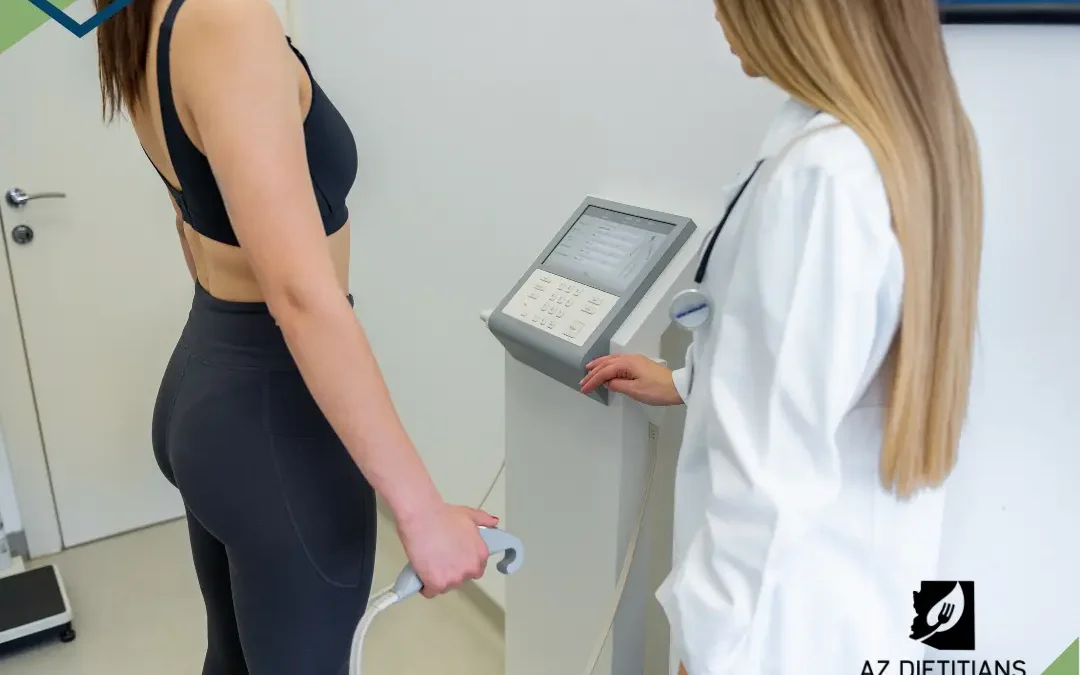
Weight management is an important part of overall health but the truth is, body composition matters more than the numbers on the scale.

Omega-3 fatty acids are essential nutrients that can support overall health and well-being. Learn about their benefits and get practical tips from our Registered Dietitians for adding more omega-3-rich foods to your daily diet.

What is PMOS, and can inositol supplementation help? Learn about PMOS, the role of inositol, and how supplementation may help support symptom management and overall well-being.