Eating After Gallbladder Removal: What You Should Know
Have you recently had your gallbladder removed, or are you preparing for surgery? You might be wondering how this will...

Last updated: February 5, 2026
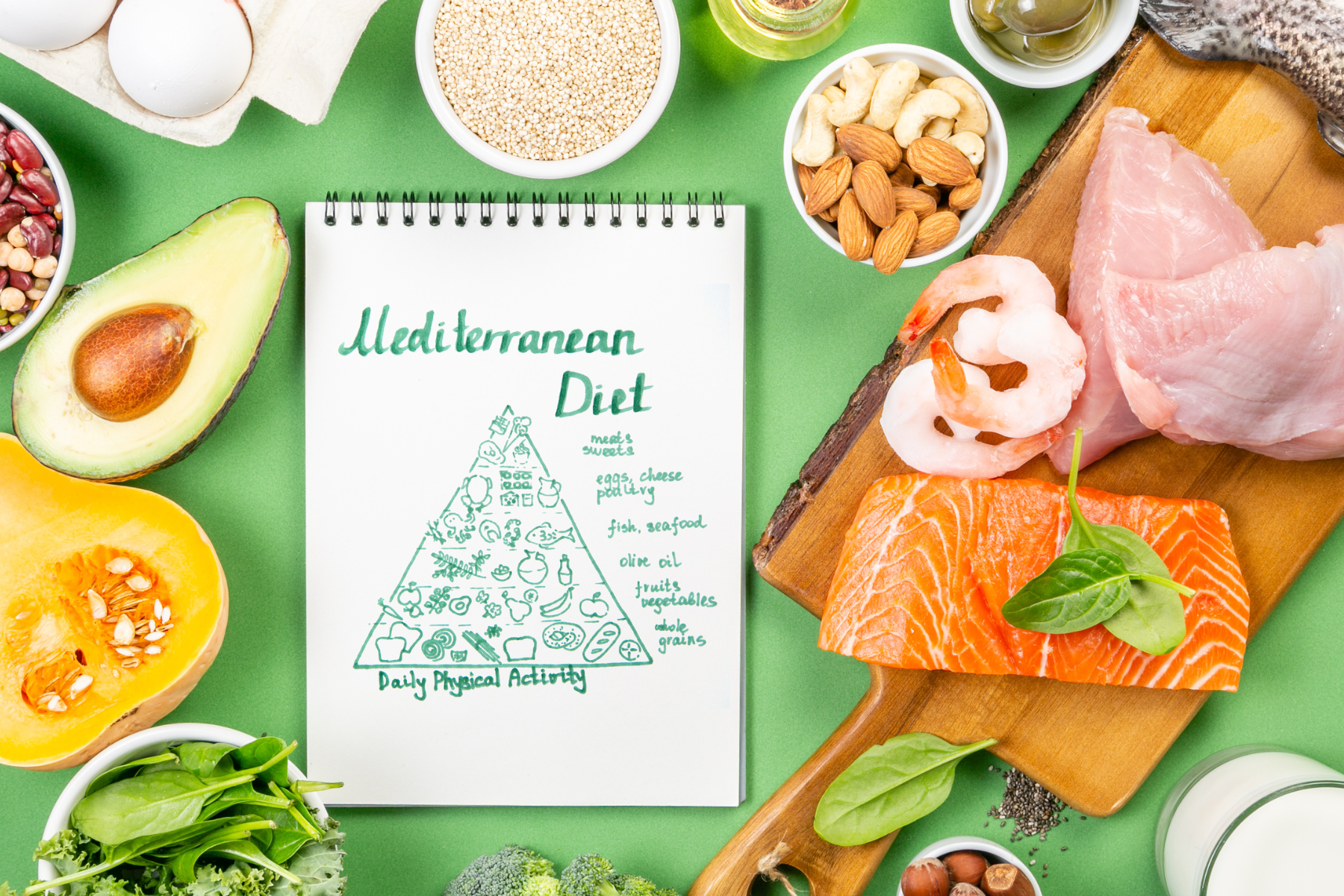
The Mediterranean diet does not involve a specific standard diet, rather it refers to the traditional eating habits in the countries bordering the Mediterranean sea1. 16 countries border the Mediterranean, and each of them contributes to the diet’s eating styles through their differences in culture, ethnic background, religious views, economy, geography, and agricultural production1. However, there are a core set of factors that the diet revolves around:
For protein intake, fish and poultry are more often consumed than red meat.1 Wine is consumed in low/moderate amounts on this diet and is typically consumed with meals. When having dessert, fruit is a common choice in place of baked sweets.
The Mediterranean diet is continually ranked as one of the best diets in the U.S. News and World Report each year and is recommended by several health organizations – but does that really mean it will benefit me?
The American Heart Association (AHA) states that following a Mediterranean-style diet can help you achieve a healthy eating pattern through1:
Research has shown that following the Mediterranean diet can significantly contribute to preventing many chronic diseases:
Your eating patterns impact all aspects of your health, even including brain health. According to the American Stroke Association, 80% of brain disease can be linked to cardiovascular disease.4 A healthy eating pattern, such as the Mediterranean diet, can improve your ability to remember and process information as you age.
The Mediterranean diet is a diet lifestyle that has been around for several years and has shown to benefit all aspects of health, especially heart and brain health. Tailoring your diet to include more of the factors that are in line with this type of diet is a great way to start following a heart-healthy eating pattern. You can adapt the principles in a way that is sustainable and works for you.
Regardless if you are following the diet or not, including more nutrient-dense foods such as vegetables, fruits, legumes, and lean protein while limiting “empty calorie” food (food with little nutrition) will greatly increase your overall health.
Sources:
Last updated: February 5, 2026
AZ Dietitians offers in-person and virtual appointments for Arizona clients. Now offering telehealth services for clients in Colorado, Utah, and California.
Have you recently had your gallbladder removed, or are you preparing for surgery? You might be wondering how this will...

Weight management is an important part of overall health but the truth is, body composition matters more than the numbers on the scale.
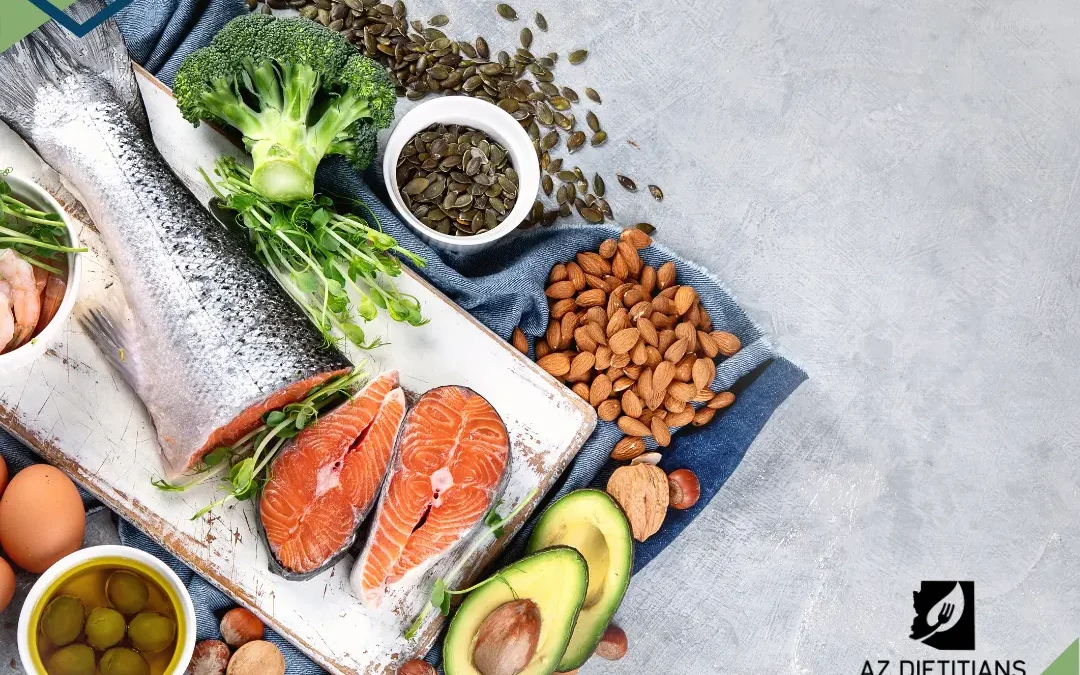
Omega-3 fatty acids are essential nutrients that can support overall health and well-being. Learn about their benefits and get practical tips from our Registered Dietitians for adding more omega-3-rich foods to your daily diet.

What is PMOS, and can inositol supplementation help? Learn about PMOS, the role of inositol, and how supplementation may help support symptom management and overall well-being.