Eating After Gallbladder Removal: What You Should Know
Have you recently had your gallbladder removed, or are you preparing for surgery? You might be wondering how this will...

Last updated: February 5, 2026
Here’s a question we dietitians get all the time from our clients, “How many carbs should I eat?”
Today we’re giving away some of our best information about carbohydrates! Keep reading to learn how many to eat, when to eat them, and how to eat them.
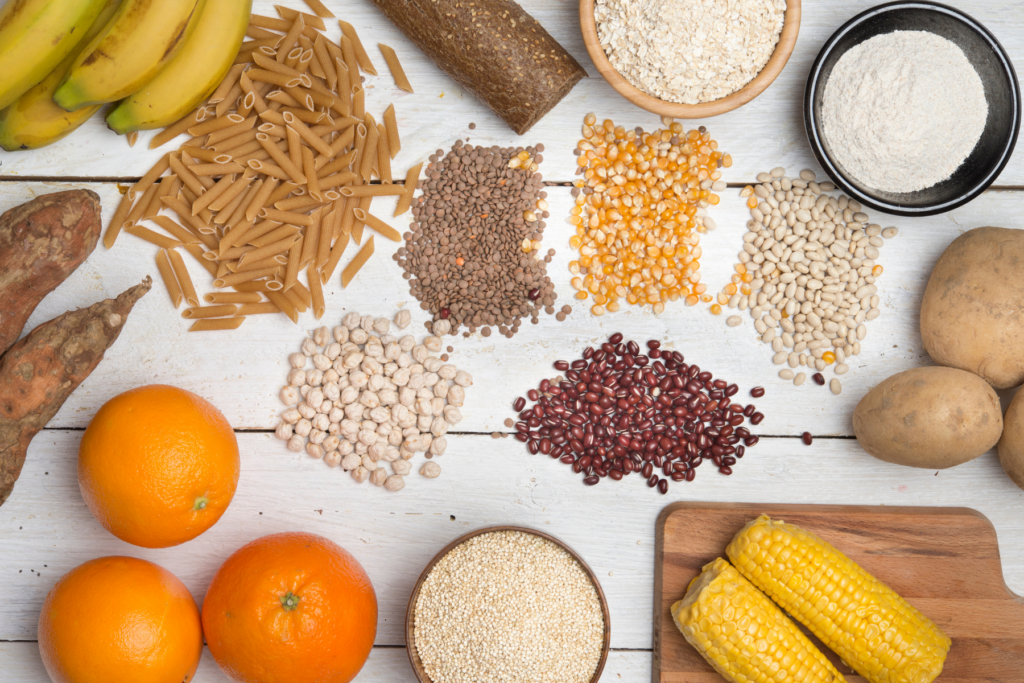
There is a lot of stigma around carbohydrates … Nowadays, we might even feel like we’re not eating “healthy” if we’re not on a low-carb diet.
Well, we’re here to set the record straight. People ate carbs as the majority of their intake for thousands of years without ever becoming overweight!
Carbohydrates are not the culprit behind weight gain. Overeating, in general, is. Whether we’re overeating carbs, protein, or fat, we will likely see weight gain.
Carbohydrates are found in plant foods such as:
The amount you should eat depends on your size and your activity level. This is something that should be calculated specifically for you.
In general, most of us should be aiming for 45-65% of our calories from carbohydrates each day. (That is around half of your intake!)
We need carbs in each of our meals throughout the day to help balance our blood sugar and energy levels.
The key to eating carbohydrates and preventing cravings is to pair them with protein, fat, and fiber. Make an appointment with us to learn exactly how to eat carbs the best way for your body and goals!
Last updated: February 5, 2026
AZ Dietitians offers in-person and virtual appointments for Arizona clients. Now offering telehealth services for clients in Colorado, Utah, and California.
Have you recently had your gallbladder removed, or are you preparing for surgery? You might be wondering how this will...

Weight management is an important part of overall health but the truth is, body composition matters more than the numbers on the scale.
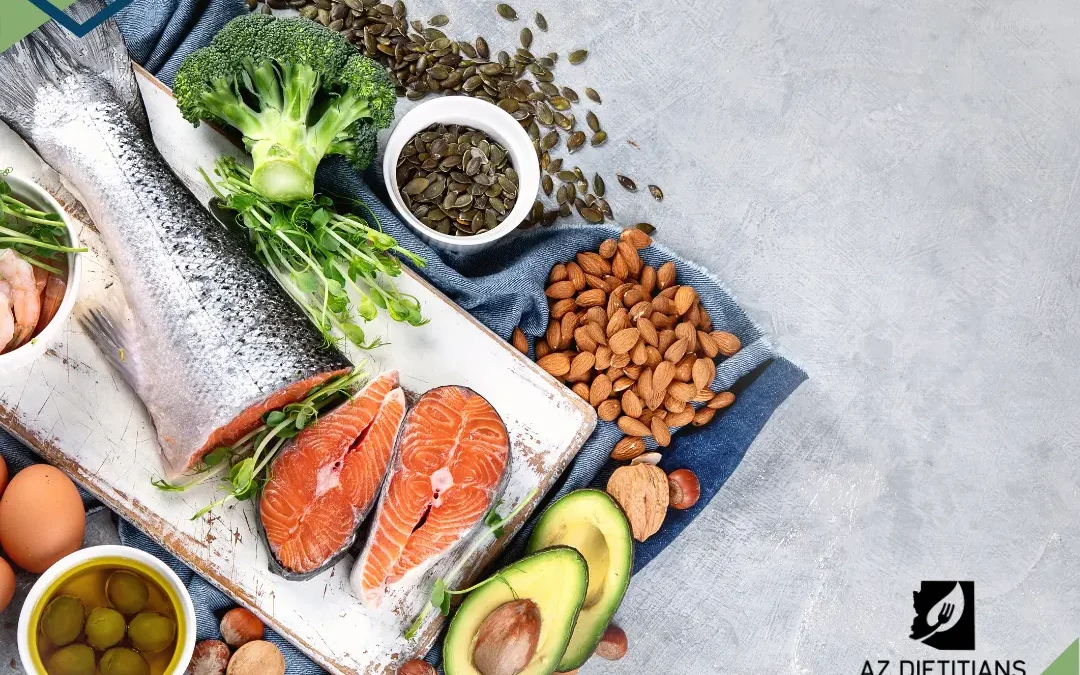
Omega-3 fatty acids are essential nutrients that can support overall health and well-being. Learn about their benefits and get practical tips from our Registered Dietitians for adding more omega-3-rich foods to your daily diet.

What is PMOS, and can inositol supplementation help? Learn about PMOS, the role of inositol, and how supplementation may help support symptom management and overall well-being.