
The Importance of Breakfast: How Your Morning Meal Can Support Your Health
Breakfast is often called the most important meal of the day, but is there research to support that claim? While...

Last updated: February 5, 2026
Created by: Kristen Carli, Dietetic Intern
Probiotics, prebiotics and gut health are trendy topics at the moment! Do you know what these are or how they benefit your health? What does the research say about these functional foods?
Thousands of different types of bacteria live in your intestines. These make up your microbiome. It is ideal to have a good balance of healthy and unhealthy bacteria for good gut health. Having a healthy gut may prevent against intestinal disease, protect heart health, control blood sugar, and help create neurotransmitters.
Probiotics are “good” bacteria that live in your gut. These bacteria are responsible for balancing out your gut flora. You naturally have these bacteria in your gut, but you may seek out more.
Good food sources of probiotics are fermented foods such as yogurt, kefir, kimchi, sauerkraut, miso, tempeh, and aged cheeses. Look for food labels that say “contains live and active cultures”.
Prebiotics provide the fuel for the probiotics. Prebiotics are composed of fiber that humans cannot digest. Once the fiber makes its way into the gut, prebiotics are fermented by probiotics.
Prebiotics are found in plant foods. Some examples are bananas, onions, garlic, leeks, asparagus, artichokes, and edamame.
Although both are available in pill form, it is not necessary to take these gut helpers as supplements. You can easily find them naturally in food. Incorporate more fruits, vegetables, whole grains, and fermented foods into your diet to intake a mixture of both probiotics and prebiotics that can help balance your gut flora. However, if you struggle to get enough probiotics from food alone, follow this link or this link or our recommended probiotic supplements.
Material adapted from eatright.org, healthline.com, & foodinsight.org
Last updated: February 5, 2026
AZ Dietitians offers in-person and virtual appointments for Arizona clients. Now offering telehealth services for clients in Colorado, Utah, and California.
Breakfast is often called the most important meal of the day, but is there research to support that claim? While...
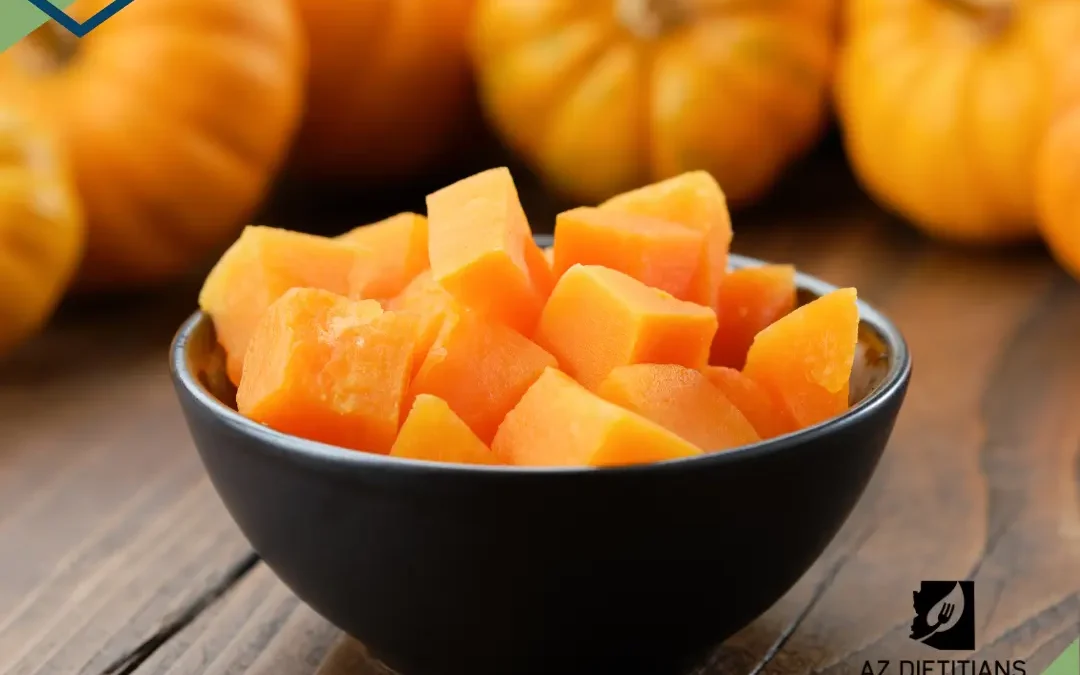
Pumpkin is more than a seasonal favorite! Packed with vitamins, minerals, fiber, and beneficial plant compounds, pumpkin flesh, seeds, and oil offer a variety of nutritional benefits. Discover how pumpkin can support your overall wellness and explore simple ways to enjoy this versatile ingredient in your everyday meals.
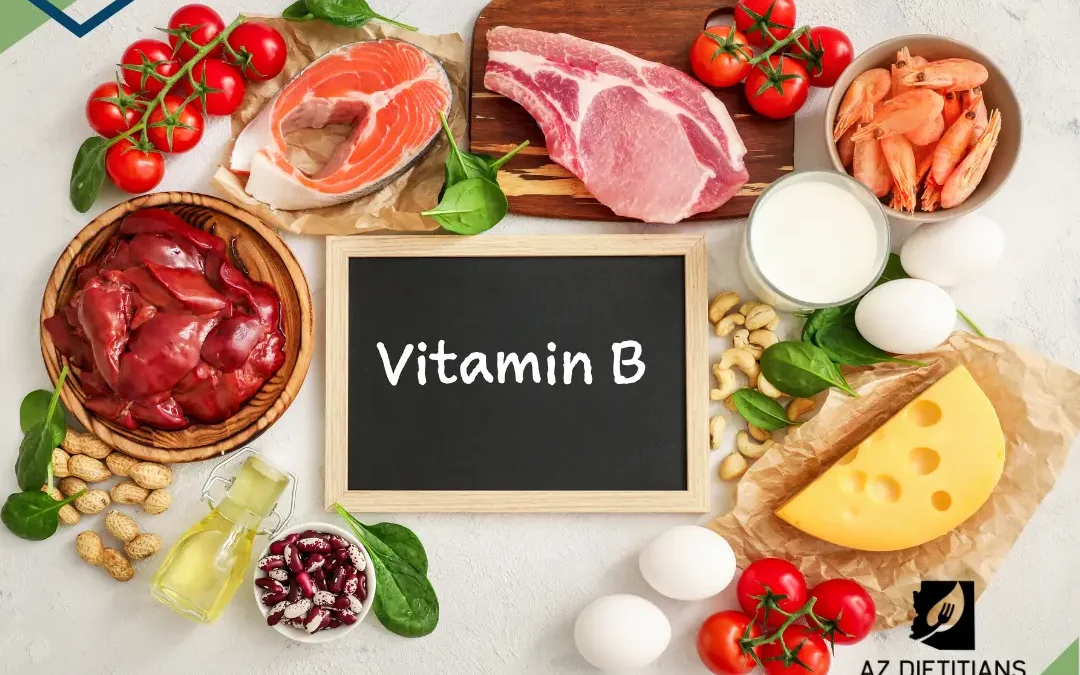
B vitamins play essential roles in energy production, metabolism, nerve function, and overall health. Discover the eight B vitamins, what each one does, and which foods can help you meet your nutritional needs.

Retatrutide is an investigational peptide generating excitement for its potential effects on weight loss, blood sugar, and metabolic health. Learn what current research says about how it works, how it compares to Ozempic, and important safety concerns to consider.