
Enjoying the Holidays Guilt-Free
The holiday season is a time for family gatherings, celebrations, cultural traditions, and, of course, delicious food!...


Thanksgiving is often known for its comforting foods, family recipes, and favorite holiday desserts. From roasted turkey and mashed potatoes to sweet potatoes and green bean casserole, the holiday table is filled with dishes that bring people together. But did you know that many traditional Thanksgiving foods also offer important nutritional benefits?
While Thanksgiving is a time to enjoy the foods you love, it can also be a great opportunity to appreciate the nutrients found in seasonal ingredients. Many familiar holiday foods provide protein, fiber, vitamins, minerals, and beneficial plant compounds. Let’s take a closer look at some Thanksgiving favorites and the nutrition they bring to the table.
Turkey may be the star of the Thanksgiving meal, and it offers more than just a delicious main dish. Turkey is a source of high-quality protein, which supports muscle maintenance, tissue repair, and many other important functions throughout the body. It also provides several B vitamins, including niacin and vitamin B6, which help the body convert food into energy and support normal cellular function.
Turkey also contains minerals such as selenium, zinc, and phosphorus. Selenium contributes to antioxidant defense and thyroid function, while zinc plays a role in immune function and wound healing. Both white and dark meat provide valuable nutrients, so you can enjoy whichever you prefer. The nutritional composition varies by cut and preparation, with skinless breast meat generally being leaner than darker cuts or meat served with the skin (1).
Sweet potatoes are a Thanksgiving staple for good reason. Their naturally sweet flavor makes them a favorite in savory and sweet dishes. Beyond their flavor, sweet potatoes are especially rich in beta-carotene, the plant pigment responsible for their orange color.
Beta-carotene is converted into vitamin A in the body. Vitamin A supports normal vision, immune function, and healthy skin. Sweet potatoes also provide dietary fiber, potassium, and vitamin C, making them a nutrient-rich addition to the holiday table (2).
One simple way to enjoy their nutritional benefits is to roast or bake sweet potatoes with cinnamon, olive oil, or your favorite seasonings. And if you love the traditional marshmallow-topped casserole, there’s room for that on the Thanksgiving table, too!
Green beans may not always get the attention they deserve, but they contribute several important nutrients to a Thanksgiving meal. They provide dietary fiber, which supports digestive health, as well as vitamins C and K and folate.
Vitamin C contributes to normal immune function and helps the body produce collagen, while vitamin K plays an important role in blood clotting and bone health. Green beans also contain plant compounds, including polyphenols and other antioxidants, that contribute to their nutritional value.
Whether served roasted, sautéed, steamed, or in a classic green bean casserole, green beans are an easy way to add a vegetable to your holiday plate. Their nutritional contribution is still there even when they’re prepared with other flavorful ingredients.
Cranberries are another holiday favorite that bring more than their signature tart flavor. These berries contain vitamin C, dietary fiber, and a variety of plant compounds called polyphenols. One group of these compounds, proanthocyanidins, has received attention for its potential role in urinary tract health.
Research on cranberries and their bioactive compounds suggests that they may have several health-related properties, although the effects depend on the form and amount consumed (3). Whole cranberries also provide fiber, making homemade cranberry sauce or cranberry relish a flavorful way to include fruit in your holiday meal.
Whether you prefer homemade sauce, canned cranberry sauce, or fresh cranberries mixed into a salad, this festive fruit can add color, flavor, and nutritional value to the table.
Pumpkin is often associated with Thanksgiving desserts, but it offers nutritional benefits beyond pumpkin pie. Pumpkin contains carotenoids, including beta-carotene, which the body can convert into vitamin A. It also provides fiber, potassium, and other plant compounds.
The specific carotenoid content varies depending on the pumpkin variety and the part of the plant being consumed (4). Adding pumpkin to soups, breads, oatmeal, or baked goods is another way to enjoy this seasonal ingredient.
And yes, pumpkin pie counts as a way to enjoy pumpkin, too! While the added ingredients change the overall nutritional profile, enjoying a traditional holiday dessert can absolutely be part of a balanced eating pattern.
Pecans are commonly found in Thanksgiving desserts, salads, and side dishes. They provide unsaturated fats, fiber, plant protein, and several important micronutrients, including magnesium and vitamin E.
Nuts are also a source of bioactive compounds, and research has linked regular nut consumption with favorable cardiovascular health outcomes. A systematic review and meta-analysis by Aune et al. (2016) found that higher nut consumption was associated with a lower risk of cardiovascular disease and other health outcomes. While this research looks at nut consumption overall rather than pecans alone, it highlights the value of including nuts as part of a varied eating pattern.
Try adding chopped pecans to roasted sweet potatoes, salads, or oatmeal for a little crunch and additional nutrients.
A nutritious Thanksgiving meal does not have to look one specific way. Many traditional holiday dishes already offer a combination of protein, carbohydrates, fiber, vitamins, minerals, and healthy fats.
If you’re looking to include a variety of nutrients, consider incorporating a few different food groups throughout your meal:
Remember, you do not need to skip your favorite dishes or make substitutions to enjoy a nutritious holiday meal. A balanced eating pattern is built over time, not determined by one meal or one day.
Thanksgiving foods can offer plenty of nutritional value, from the protein in turkey to the beta-carotene in sweet potatoes and pumpkin, fiber in green beans, and beneficial plant compounds in cranberries and pecans.
This holiday season, take a moment to appreciate the variety of foods on your plate. Enjoy the traditional recipes you look forward to all year, try a seasonal vegetable or two, and remember that nutrition and enjoyment can absolutely go hand in hand. Happy Thanksgiving!
AZ Dietitians offers in-person and virtual appointments for Arizona clients. Now offering telehealth services for clients in Colorado, Utah, and California.
The holiday season is a time for family gatherings, celebrations, cultural traditions, and, of course, delicious food!...
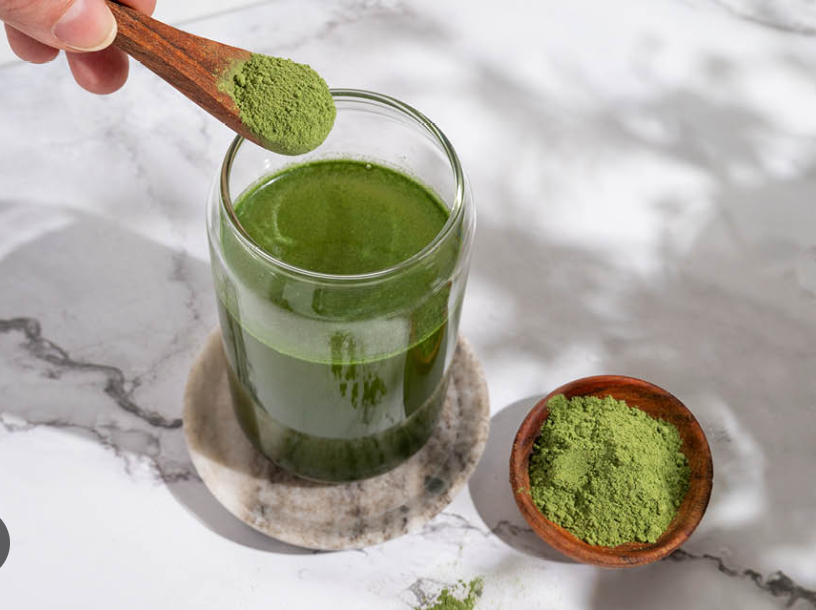
Greens powders have become a popular addition to smoothies, water bottles, and morning routines. Marketed as a...
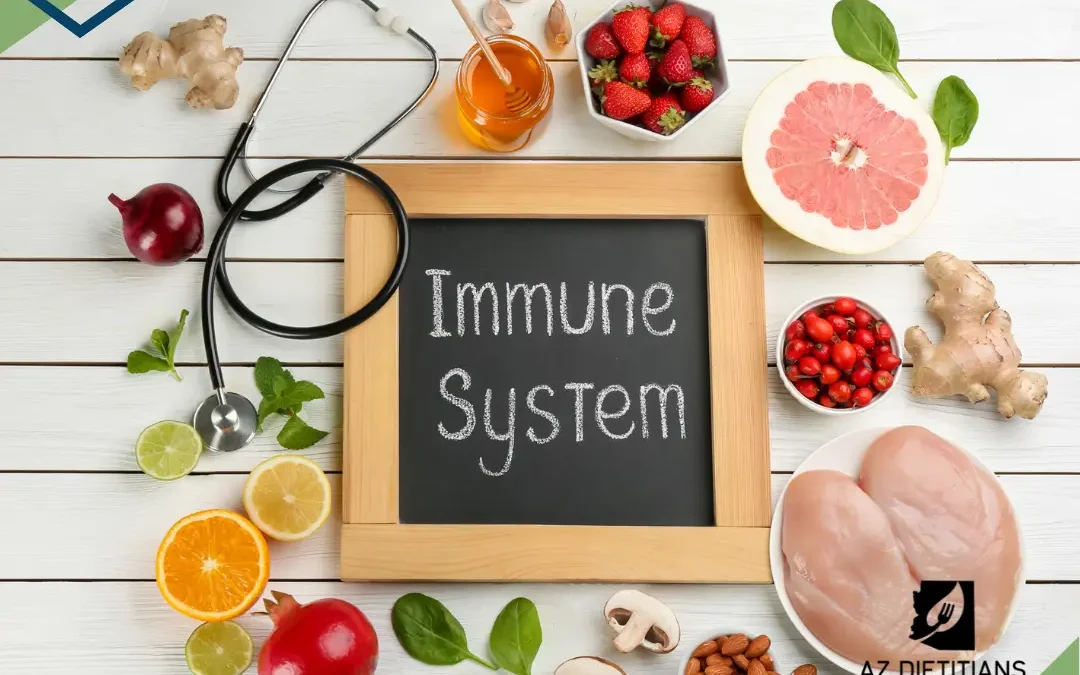
Can the foods you eat help support your immune system? Discover how balanced nutrition, essential vitamins, protein, healthy fats, and gut-friendly foods contribute to immune health, plus simple habits you can incorporate into your daily routine.
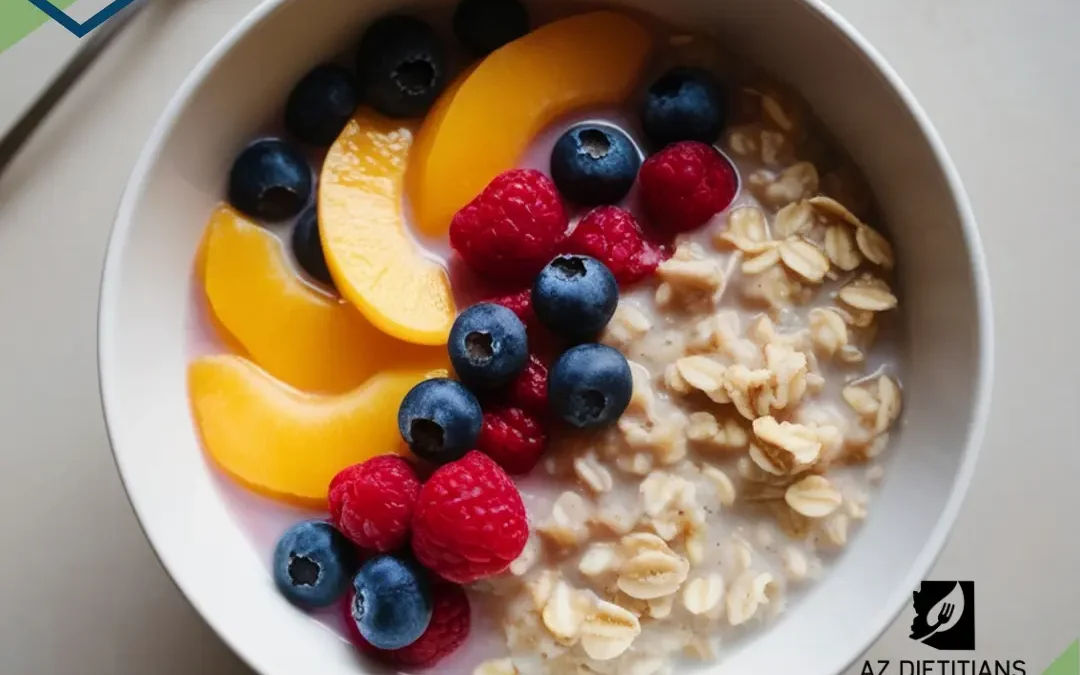
A balanced morning meal can help you meet your daily nutrient needs, support cognitive performance, and maintain steady energy and blood sugar levels. Discover the benefits of breakfast, simple ideas for building a nutritious morning meal, and how to make choices that support your individual health and nutrition goals.