
Eating After Gallbladder Removal: What You Should Know
Have you recently had your gallbladder removed, or are you preparing for surgery? You might be wondering how this will...

Last updated: February 5, 2026
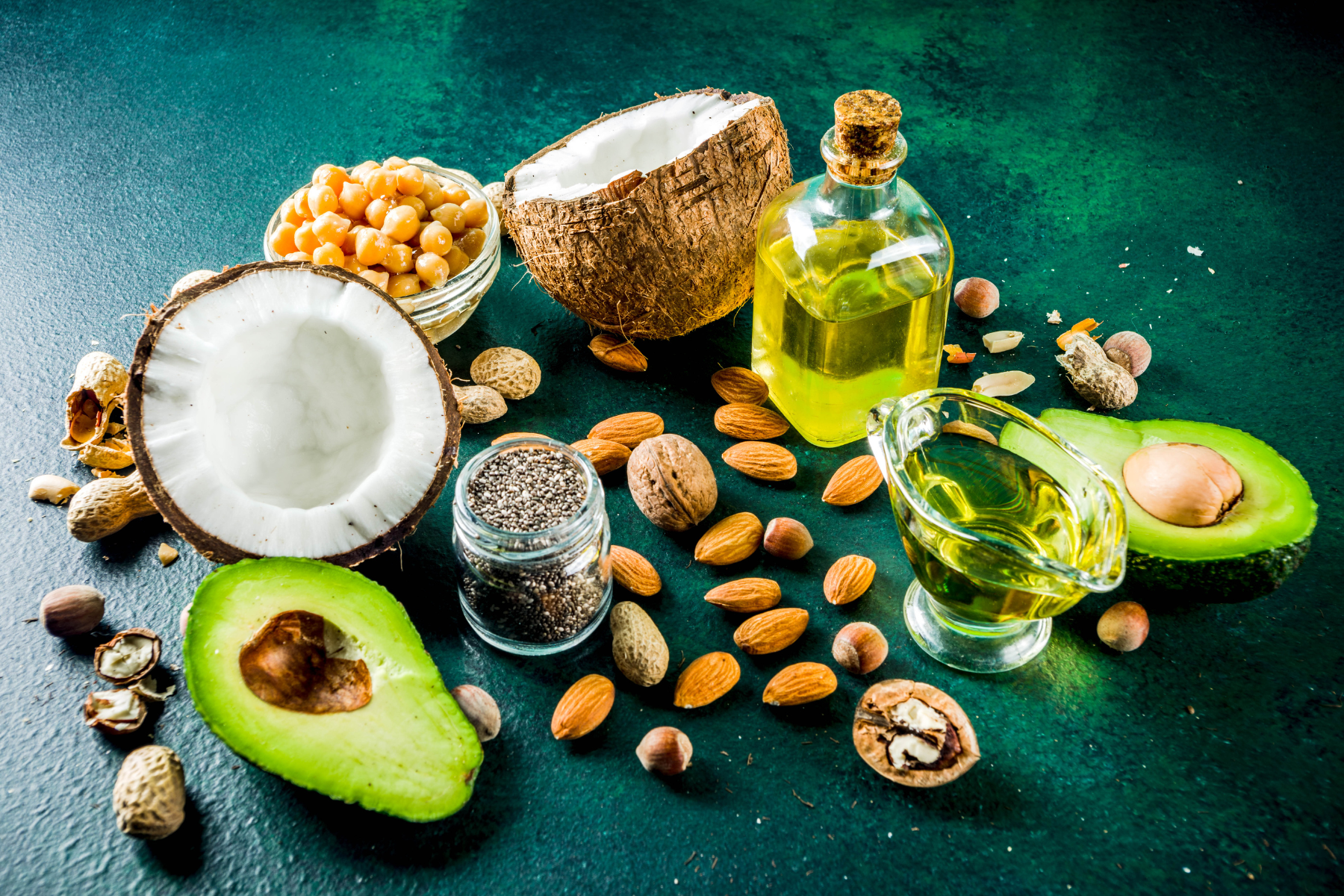
Contrary to the commonly held fear associated with dietary fats, nutrition science demonstrates the crucial roles that fats play in our overall well-being. Read on to learn the various functions of dietary fats, the distinction between different types of fats, and how a balanced approach to fat consumption can improve your health.
Everyone needs to consume enough fats through diet because they are considered to be one of the essential macronutrients needed to maintain overall health. Here is a list of some of the many vital roles of dietary fat:
While carbohydrates serve as the body’s preferred energy source, fats have a role as an energy reserve for our bodies. Fat is used for energy during periods of increased energy needs, such as during endurance exercise (1).
As part of the cell membrane, fat functions in controlling the substances that pass into and out of the cell (2).
Dietary fats are involved in the process of producing hormones like testosterone, estrogen, and cortisol (3).
Fat-soluble vitamins like A, D, E, and K need fat to be properly absorbed (4).
Fat is what makes up adipose tissue, which provides insulation and maintains proper body temperature by limiting the amount of heat that is lost (4).
Fat, specifically omega-3 fatty acids, are crucial for processes that impact learning and memory (2).
Adipose tissue protects organs against damage or injury (4).
Food should be enjoyed, and fats add flavor and satiety to meals.
Not all fats are the same. Different types have different impacts on the health of our bodies. The categories for types of fats include saturated, unsaturated, and trans fats. It’s important to know the difference between various types of fats so that you know which ones to choose more often or avoid for optimal health outcomes.
Saturated fats are typically solid at room temperature and can be found mostly in animal products like fatty meats, dairy, and oils (like palm and coconut oil). You want to limit this type of fat in your diet since excessive intake is linked to an increased risk of heart disease (4).
Unsaturated fats can be further categorized into monounsaturated and polyunsaturated fats. Both types are considered to be heart-healthy fats, but you want to pay special attention to polyunsaturated fats. This is because omega-3 fats are a type of polyunsaturated fat (5). Sources of omega-3 fatty acids include salmon, walnuts, flaxseeds, chia seeds, and sardines. Monounsaturated fats can be found in olive oil, nuts, and avocados.
Trans fats should be avoided because they are associated with several negative health outcomes like increased risk for heart disease, increased levels of LDL (“bad” cholesterol), and lower levels of HDL (“good” cholesterol). Sources of trans fats include fried foods, red meats, and some pastries and margarine (4).
Check food labels to identify sources of healthy fats and avoid products with trans fats. Look for the terms “monounsaturated” and “polyunsaturated.” (4)
Reduce your intake of pack and fried foods, which may contain trans fats (4). The best choice is usually the one that doesn’t come in packaging.
When determining which source of protein you’d like to balance your next meal with, try opting for lean protein sources like poultry, fish, and plant-based proteins like beans and legumes.
Use extra virgin olive oil for cooking or even as a dressing for salads. It’s a great source of monounsaturated fats and adds flavor to your meals.
Remember, balance is key. While incorporating healthy fats, it’s also essential to maintain a well-rounded diet that includes a variety of nutrients from different food groups.
(1) Askew EW. Role of fat metabolism in exercise. Clin Sports Med. 1984;3(3):605-621.
(2) de Carvalho CCCR, Caramujo MJ. The Various Roles of Fatty Acids. Molecules. 2018;23(10):2583. Published 2018 Oct 9. doi:10.3390/molecules23102583
(3) Zhang D, Wei Y, Huang Q, et al. Important Hormones Regulating Lipid Metabolism. Molecules. 2022;27(20):7052. Published 2022 Oct 19. doi:10.3390/molecules27207052
(4) Dietary fats explained: Medlineplus medical encyclopedia. MedlinePlus. Accessed February 29, 2024. https://medlineplus.gov/ency/patientinstructions/000104.htm.
(5) Gammone MA, Riccioni G, Parrinello G, D’Orazio N. Omega-3 Polyunsaturated Fatty Acids: Benefits and Endpoints in Sport. Nutrients. 2018;11(1):46. Published 2018 Dec 27. doi:10.3390/nu11010046
Last updated: February 5, 2026
AZ Dietitians offers in-person and virtual appointments for Arizona clients. Now offering telehealth services for clients in Colorado, Utah, and California.
Have you recently had your gallbladder removed, or are you preparing for surgery? You might be wondering how this will...

Weight management is an important part of overall health but the truth is, body composition matters more than the numbers on the scale.

Omega-3 fatty acids are essential nutrients that can support overall health and well-being. Learn about their benefits and get practical tips from our Registered Dietitians for adding more omega-3-rich foods to your daily diet.

What is PMOS, and can inositol supplementation help? Learn about PMOS, the role of inositol, and how supplementation may help support symptom management and overall well-being.