Retatrutide Peptide
You've probably already heard of GLP-1 medications like Ozempic taking over the market. However, there is a new and...

Last updated: February 5, 2026
Today we’re discussing seasonal produce! We’re talking about what seasonal produce is, why you might want to pay attention to the season, and where to find it! Plus, we’ll include which items are in-season this Spring.
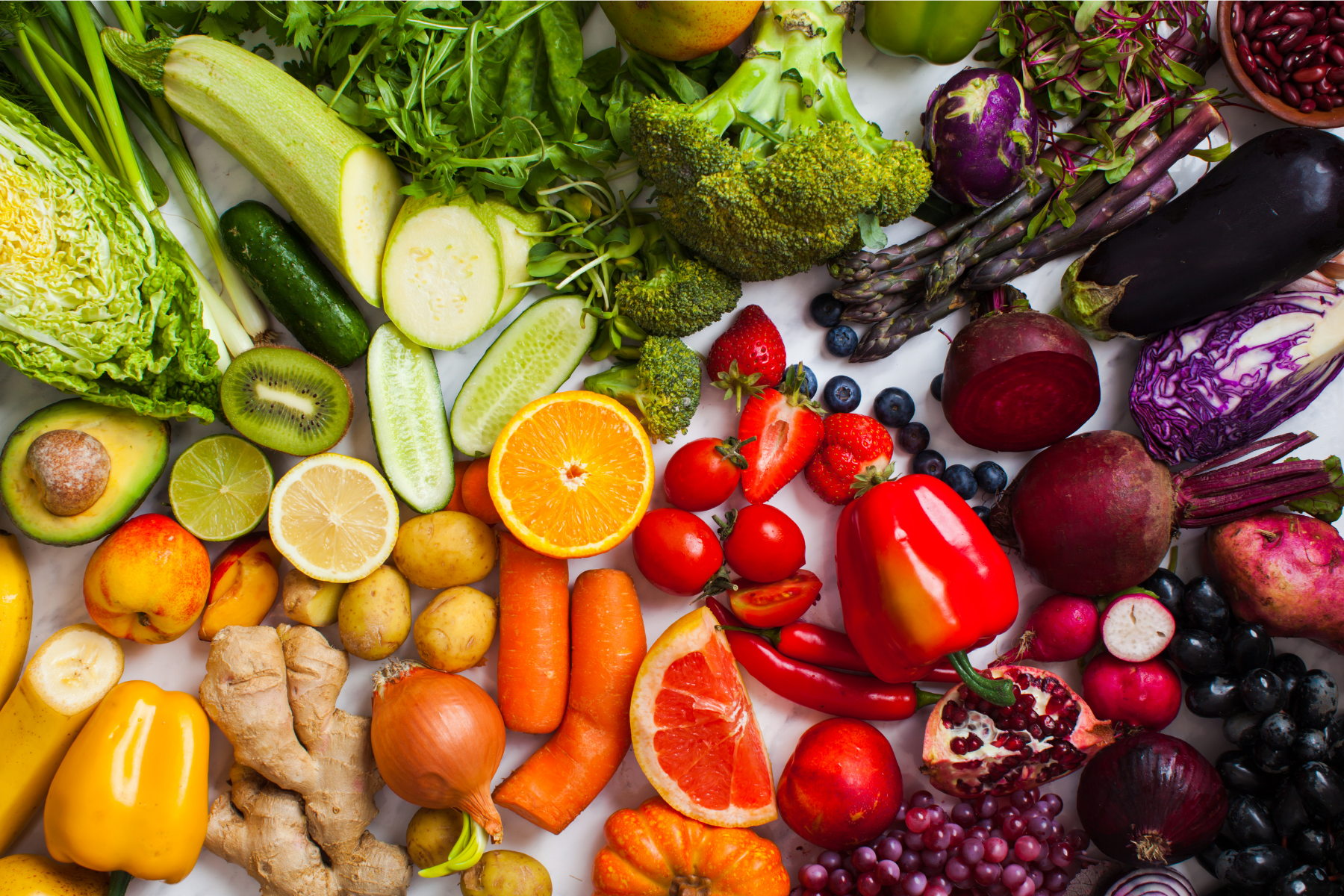
As the season goes from winter to spring, the fruit and vegetables you find in local farmer’s markets or grocery stores will begin to change. When fruits and vegetables are in season, they’ll usually be less expensive, more flavorful, and more nutrient-dense than during off-seasons.
Each type of produce has an ideal growing season. Due to modern trucking and shipping abilities, we are able to usually see all types of produce in our grocery stores no matter the season. Because these items have to be transported long distances, they are picked before ripeness and often lack flavor and nutrients.
Have you ever been delighted by a carton of strawberries that is super sweet and delicious, then extremely disappointed a couple of months later when the next carton of strawberries is flavorless? This is the difference between in-season and out-of-season produce.
Seasonal produce picked from local farms is picked at peak ripeness and distributed quickly to preserve quality, flavor, and nutrients. There are many other benefits to buying locally. Read on to learn about those!
Eating seasonally promotes sustainability in food production. Plus, buying locally helps create an environment that supports the health and wellbeing of the ecosystems and their soils. Seasonal foods are likely to use less water to grow and protect the soil from erosion. Greenhouse gas is also reduced when you buy locally.
When you buy from local farmers, you cut out the middle man. The middle man is responsible for transporting and sometimes ripening the produce after collection before it is delivered to the grocery store to eat. When you cut out these companies, produce is cheaper and has more nutritional value due to the plant being allowed to ripen on the plant. Shopping at farmer’s markets and signing up for Community Supported Agriculture (CSA) bags help you get more for the same amount you would buy at a grocery store.
More specifically, it promotes economic vitality in your community. In any community, many people have jobs and businesses to provide income. Small businesses and farmer’s markets seem to not get much support. These businesses help our communities to build wealth and become more sustainable. Buying locally will support local farmers and encourage them to continue farming, promoting a healthier atmosphere for all!
Take a look at the in-season produce this season below:
March – Asparagus, Broccoli, Cabbage, Carrots, Celeriac/celery root, Clementines, Garlic, Green onion/scallions, Greens, Herbs, Lemons, Leeks, Lettuce, Oranges, Radishes, Spinach, Strawberries, Sweet potatoes, Tangerines, Turnips, and Zucchini Blossoms.
April – cucumbers, onions, peas, potatoes, sweet onions, and zucchini, along with the above list to be in season.
May – Apricots, Nectarines, peaches, tomatoes, and summer squash be in season. March through May, all of these items are in season.
June – Blackberries, Blueberries, Corn, Cucumbers, Figs, Green beans, Melons, Plums & pluots are now in season. Summer squash, sweet onions, tomatoes, zucchini, zucchini blossoms, garlic, herbs, leeks nectarines, onions, peaches, peas, and potatoes stay in season during this month.
We hope that the information helps you understand why it is important to shop seasonally. If you live here in Mesa, Arizona, we recommend checking out the Superstition Ranch Farmer’s Market on Main street for some great seasonal produce! No matter where you live, you can usually Google “Farmers Markets near me” and find a great selection.
Last updated: February 5, 2026
AZ Dietitians offers in-person and virtual appointments for Arizona clients. Now offering telehealth services for clients in Colorado, Utah, and California.
You've probably already heard of GLP-1 medications like Ozempic taking over the market. However, there is a new and...

Fasting can affect women differently depending on factors like age, activity level, hormonal health, and reproductive status. Learn what research says about intermittent fasting, PCOS, menstrual health, bone density, and more.
Could the ultra-processed foods you eat regularly be affecting your brain health? Learn about the potential connections between ultra-processed foods, memory, mood, inflammation, and cognitive health, along with simple ways to make more nutritious choices.

Wondering what to eat after gallbladder removal? Learn how your diet may need to change after surgery and get practical tips for supporting digestion as your body adjusts.