Retatrutide Peptide
You've probably already heard of GLP-1 medications like Ozempic taking over the market. However, there is a new and...

Last updated: February 5, 2026
Do you struggle with an irritable bowel disease? You might have been told that taking an L-glutamine supplement can help improve your intestinal tract. But why, what does it do?
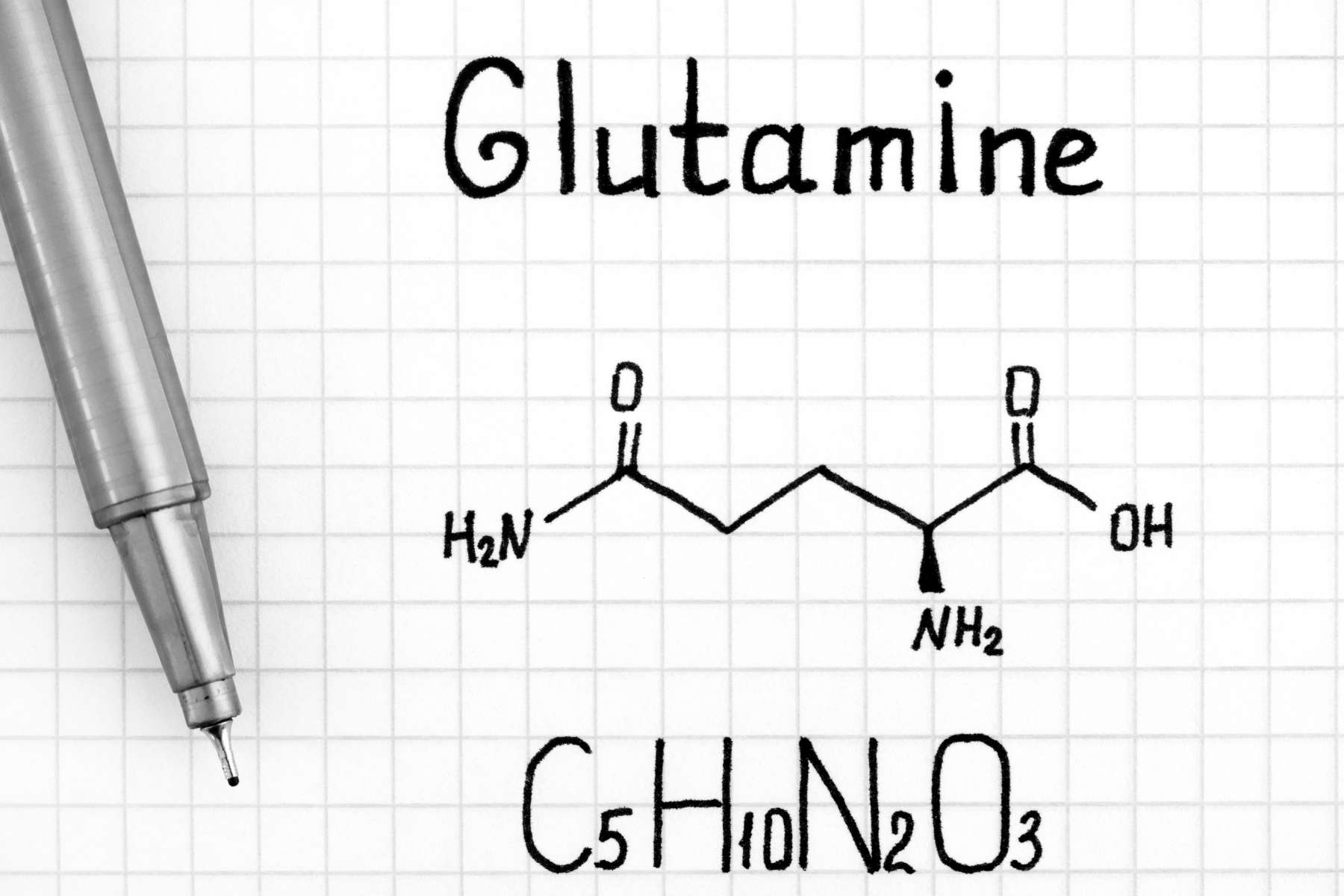
Let’s start with the basics. L-glutamine is an amino acid that may help with the healing of the intestinal tract during periods of inflammation and discomfort. We typically get enough of it through our food but there are times when supplementing is essential.
L-glutamine helps heal an inflamed intestinal tract because it promotes the regeneration (regrowth) of enterocytes AKA the cells that line the intestines. It also suppresses inflammation, prevents cell death, and reduces cellular stress. Our intestines utilize about 30% of our body’s glutamine at all times.
One theory suggests that L-glutamine is depleted during periods of high stress on the body. Stressors that can contribute to the reduction of l-glutamine include trauma, sepsis, and inflammatory bowel diseases.
Glutamine influences various signaling pathways that lead to the development and growth of new cells. This allows the intestinal wall to continue to be composed of strong, healthy tissues, keeping the gut happy.
Too little glutamine in the body can lead to improper cell growth within the intestines. This impacts the tight junctions along the intestinal wall. Tight junctions are a dynamic structure lining the intestinal wall that allows nutrients from our food to enter the blood supply. When they are compromised, pathogens and toxins can enter the blood supply more freely, which can wreak havoc on the body.
Supplementing with glutamine can help improve the intestinal wall and tight junctions. This is especially helpful for those with inflammatory bowel disease and celiac disease.
Inflammation is closely correlated to intestinal diseases, such as ulcerative colitis, Crohn’s disease, and colorectal cancer. In order to treat these diseases, it is important to treat the inflammation. L-glutamine plays an important role because studies have shown that it can actually influence anti-inflammatory pathways.
Glutamine has also been shown to suppress the activation of a multi-protein complex that triggers the activation of acute inflammation in the gut.
So far, only a handful of studies conducted on humans have shown a positive influence on patients with inflammatory bowel disease being treated with glutamine. These studies showed that supplementing with 21-42 grams of glutamine per day for 2 days can improve outcomes in patients.
It is still controversial whether glutamine should be used as a treatment option due to multiple studies showing no improvement in patients supplementing with glutamine.
Because of mixed results, further research needs to be conducted to determine the true efficacy of glutamine on patients with inflammatory bowel disease, among other intestinal disorders.
Last updated: February 5, 2026
AZ Dietitians offers in-person and virtual appointments for Arizona clients. Now offering telehealth services for clients in Colorado, Utah, and California.
You've probably already heard of GLP-1 medications like Ozempic taking over the market. However, there is a new and...

Fasting can affect women differently depending on factors like age, activity level, hormonal health, and reproductive status. Learn what research says about intermittent fasting, PCOS, menstrual health, bone density, and more.

Could the ultra-processed foods you eat regularly be affecting your brain health? Learn about the potential connections between ultra-processed foods, memory, mood, inflammation, and cognitive health, along with simple ways to make more nutritious choices.

Wondering what to eat after gallbladder removal? Learn how your diet may need to change after surgery and get practical tips for supporting digestion as your body adjusts.