Retatrutide Peptide
You've probably already heard of GLP-1 medications like Ozempic taking over the market. However, there is a new and...

Last updated: February 5, 2026
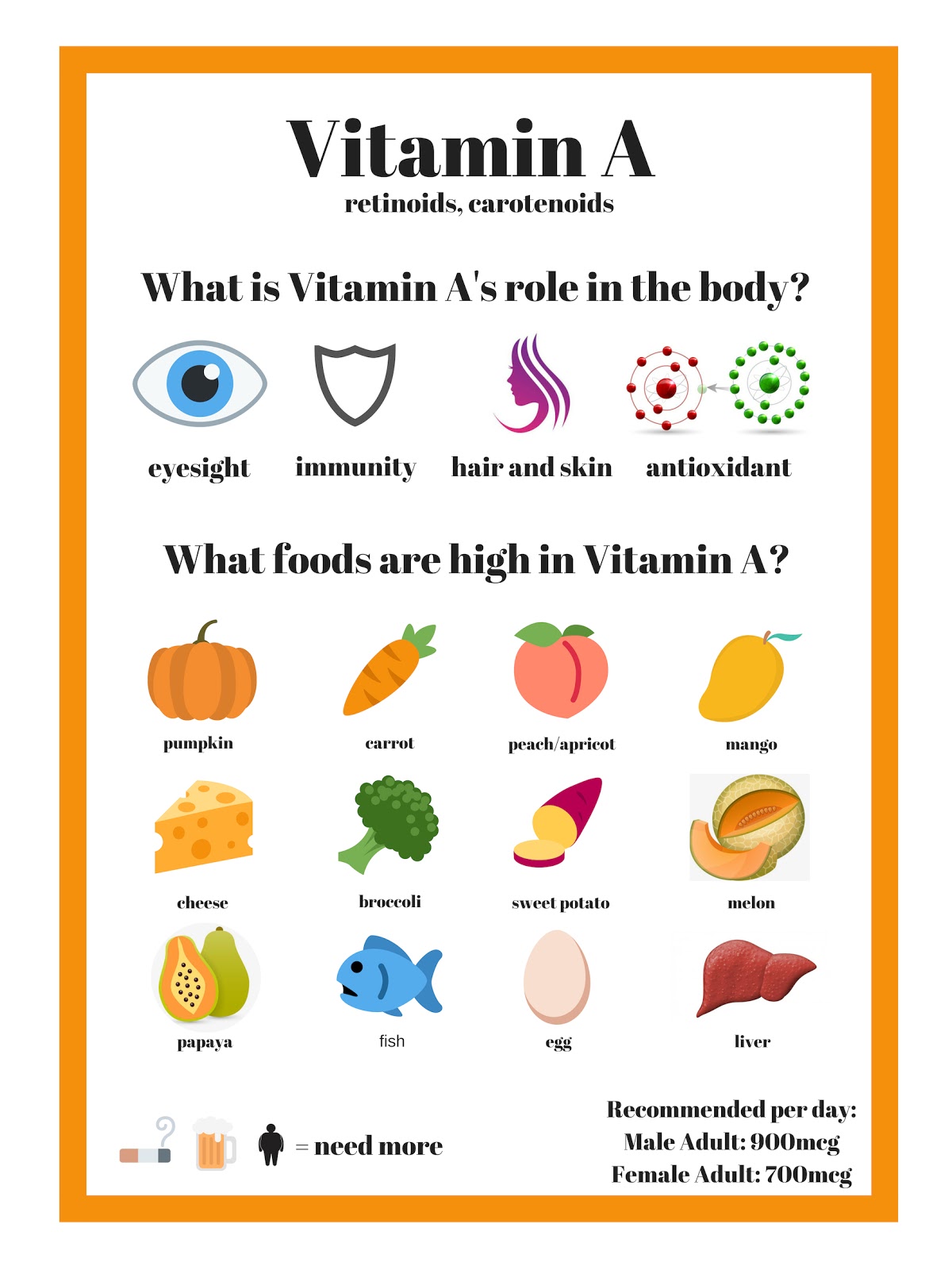
Vitamin A is a fat-soluble vitamin that is naturally present in many foods. It’s important for ensuring normal function of the immune system, maintaining healthy vision, and aiding the proper growth and development of babies in the womb. It also helps the heart, lungs, kidneys, and other organs work properly.
There are two different types of Vitamin A. The first type is called preformed and is found in meat, poultry, fish, and dairy products. The second type, known as provitamin A, is found in fruits, vegetables, and other plant-based products. The most common type of provitamin A in foods and dietary supplements is beta-carotene.
Vitamin A is found naturally in many foods and is added to some foods, such as milk and cereal. You can get the recommended daily amount by eating a variety of foods, including the following:
The amount of vitamin A you need depends on your age and sex. Adult men should strive to get 900mcg per day and adult women should strive to get 700mcg per day. Pregnant and breastfeeding women and adults that smoke or are overweight will require more.
As always, our registered dietitians are here to help if you need assistance with getting the right amount of vitamins and minerals in your daily diet. Simply request an appointment today!
Information adapted from: ods.od.nih.gov
Last updated: February 5, 2026
AZ Dietitians offers in-person and virtual appointments for Arizona clients. Now offering telehealth services for clients in Colorado, Utah, and California.
You've probably already heard of GLP-1 medications like Ozempic taking over the market. However, there is a new and...

Fasting can affect women differently depending on factors like age, activity level, hormonal health, and reproductive status. Learn what research says about intermittent fasting, PCOS, menstrual health, bone density, and more.

Could the ultra-processed foods you eat regularly be affecting your brain health? Learn about the potential connections between ultra-processed foods, memory, mood, inflammation, and cognitive health, along with simple ways to make more nutritious choices.

Wondering what to eat after gallbladder removal? Learn how your diet may need to change after surgery and get practical tips for supporting digestion as your body adjusts.